Industrial auctions, managed beyond the sale
Selling industrial machinery is only one part of the job.
The real challenge is deciding how each asset should be sold, reaching the right buyers, protecting its value and then getting it safely out of the facility without disrupting operations, compromising HSE or missing the site deadline. That is where SSMI is different. We manage the complete industrial asset exit. From inventory, valuation and sales strategy to auction, buyer coordination, dismantling, removal and final site handover.
One strategy. One project team. One accountable partner.
Results that matter

0 +
Industrial auctions annually

0 million
Industrial assets sold annually

0 +
Assets saved from scrap

0 countries
With successful buyers
An industrial auction is not just a sales project
When machinery becomes redundant due to a plant closure, production change, relocation or restructuring, selling the equipment is rarely the only challenge.
Assets need to be identified and documented. Their market potential needs to be assessed. Production lines may need to be separated into logical saleable units. Buyers need reliable technical information. Site access must be controlled. Machinery needs to be isolated, dismantled, lifted, loaded and removed. And all of this may have to happen while other parts of the facility remain operational.
Treating the auction and the physical removal as separate projects creates additional interfaces, responsibilities and risks. SSMI approaches them as one. We combine industrial asset sales with the technical and operational expertise required to move machinery from its current location to its next destination safely, efficiently and within the agreed schedule.
Should these assets actually go to auction?
Not necessarily. An industrial auction can create strong competition for machinery with an active international buyer market. But putting every asset into the same auction is not automatically the best strategy.
A specialist machine may perform better through a targeted private sale. A complete production line may hold more value intact than when divided into individual lots. Certain assets may have more value elsewhere within your organisation. Others may have reached the point where responsible recycling is the most economical route.
That is why SSMI starts with the assets and the project objectives, not with the sales channel. We assess market demand, expected recoverable value, technical condition, timing, removal complexity and site requirements before recommending the appropriate route.
The right route for every industrial asset
Industrial auction
For machinery and equipment where competitive bidding can create an efficient and transparent sales process.
Targeted private sale
Complete production line sale
Internal relocation
For machinery that can continue creating value at another facility within your organisation.
Reuse and repurposing
For assets that can gain a productive second life in another application or market.
Recycling
For equipment without a viable reuse route, managed with attention to responsible material recovery.
One site can require several of these routes simultaneously. SSMI brings them together within one asset strategy.
From asset inventory to cleared site
A successful industrial auction starts long before bidding opens and does not finish when the final lot is sold. Our process covers the complete asset journey.
1. Assess
We start at the facility. SSMI identifies the machinery and production assets within the project scope and gathers the technical and operational information required to determine their potential.
Depending on the project, this can include machinery specifications, manufacturer information, year of manufacture, serial numbers, technical documentation, photographs, condition, current use and the relationship between individual machines and the wider production process. At the same time, we look at the site itself. Access, utilities, production interfaces, lifting requirements, removal constraints and project deadlines can all influence the eventual sales strategy.
2. Define the sales strategy
The objective is not to auction as much equipment as possible. It is to determine the most appropriate exit route for each asset or asset group. SSMI evaluates which machinery should be auctioned, offered through private sale, sold as part of a complete production line, relocated, repurposed or recycled. This creates one coordinated strategy for the entire asset portfolio rather than a collection of individual sales decisions.
3. Prepare the assets for market
Industrial buyers need enough information to make serious decisions. We prepare assets for sale with clear descriptions, relevant technical specifications, photography and available documentation
Where machinery forms part of a production process, we consider the wider context. Understanding what a machine does, how it is configured and how it relates to surrounding equipment can be critical when approaching potential buyers. The goal is simple: give qualified buyers the information they need to understand what is being offered.
4. Reach the right buyers
A successful industrial machinery auction depends on relevant demand, not simply traffic. SSMI markets assets towards buyers and markets where the equipment has realistic reuse potential. Depending on the machinery and project, this may involve auction exposure, targeted buyer outreach or a combination of sales methods. For specialised assets and complete production lines, a focused approach can be more valuable than relying solely on open-market visibility.
5. Manage the sale
SSMI coordinates the commercial sales process and keeps the asset owner informed throughout the project. The objective is a controlled and transparent process, with clear responsibilities from preparation through transaction and buyer coordination. But our involvement does not stop once an asset has been sold.
Sold does not mean removed!
A buyer may have purchased a machine, but that machine can still be connected to power, compressed air, water, steam, extraction systems or surrounding production equipment. This is where industrial auctions become operational projects.
It may weigh several tonnes. It may be located deep inside an operational facility. Access may be limited. Lifting equipment may be required. Removal may need to take place within a specific production window. Those realities should not be discovered after the auction. They should be considered before the asset is offered for sale.
6. Coordinate dismantling and removal
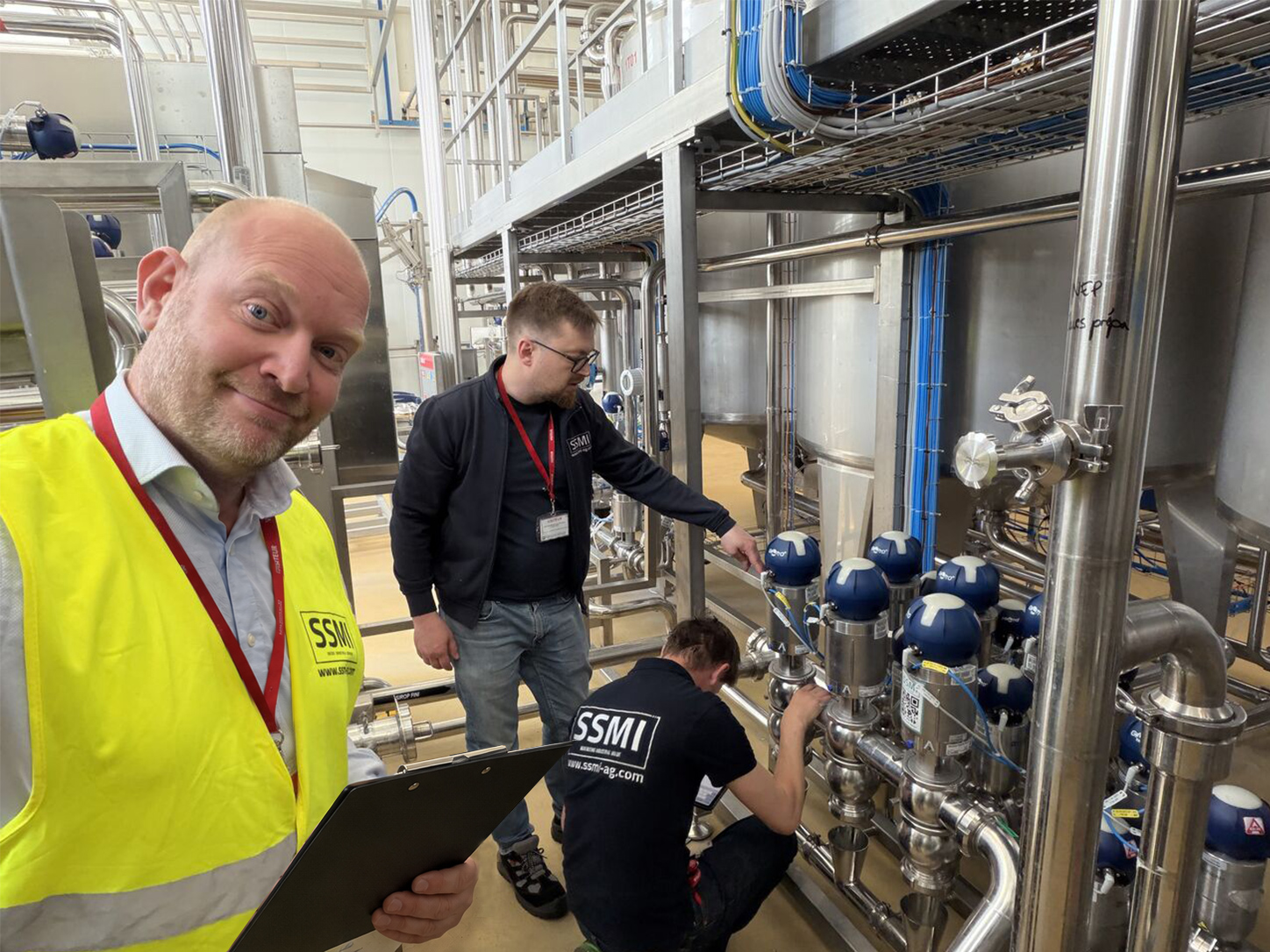
SSMI can coordinate the technical execution required to release sold machinery from the site. Depending on project scope, this can include isolation, dismantling, lifting, loading, buyer collection and transport coordination. Removal activities are planned around site requirements, HSE procedures and agreed deadlines.
For facilities that remain partly operational, this is particularly important. Machinery removal cannot be allowed to create unnecessary risk or disruption for ongoing production.
7. Clear and hand back the agreed area
The objective is not simply an empty auction catalogue. It is an agreed project scope completed.
Once sold assets have been removed, remaining equipment has followed its defined exit route and the agreed activities are complete, the area can be handed back according to the project requirements. For SSMI, this is what makes an industrial asset sale complete.
One accountable partner
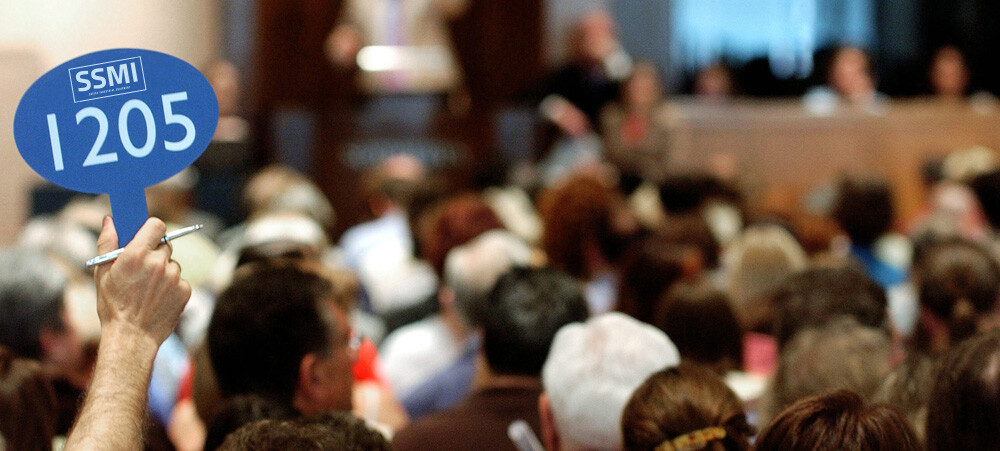
Traditional asset disposal can quickly become fragmented. One party values the equipment. Another runs the auction. Buyers arrange their own removal contractors. A dismantling company handles larger machinery. Logistics providers organise transport. A recycling company takes what remains. The asset owner is left coordinating the interfaces. SSMI was built around a different principle.
We take ownership of the complete project scope and coordinate the commercial, technical and operational activities around it. This reduces the number of interfaces your organisation has to manage and creates clearer responsibility throughout the project. One strategy. One project team. One accountable partner.
Why industrial companies choose SSMI
-
Industrial knowledge behind every sales decision
We look beyond the asset description. Understanding machinery, production lines and industrial environments helps us determine how equipment can be presented, separated, sold and removed realistically.
-
Commercial and technical execution connected
The way an asset will eventually leave the facility should influence the way it is sold. By connecting sales strategy with dismantling and removal planning, SSMI reduces the gap between the commercial transaction and physical execution.
-
Focus on recoverable value
Highest bid and best project outcome are not always the same thing. We consider recoverable asset value alongside timing, removal costs, technical complexity, operational impact and site obligations.
-
HSE as part of the project
Industrial machinery removal takes place in real production environments. Safety requirements, site rules, access, contractor coordination and operational constraints are therefore incorporated into project planning rather than treated as an afterthought.
-
Reuse where it makes sense
A redundant machine is not necessarily an obsolete machine. Where viable, SSMI seeks routes that allow machinery and production equipment to remain productive elsewhere. This extends asset life, reduces unnecessary waste and contributes to a more circular industrial economy.
-
Clear responsibility and one accountable project team
Complex industrial projects become harder when responsibility is fragmented. SSMI provides a single point of accountability across the agreed scope, from initial assessment to final execution.
Industrial auction in practice: Project Britvic
One facility. Different assets. Different sales strategies.
At a major beverage manufacturing facility in France, SSMI and its partners managed the commercial release of a broad range of processing and packaging equipment.
Rather than placing every asset into a single auction, the equipment was divided according to its market potential. Complete production lines were offered through targeted direct sales, while more than 200 additional assets were brought to market through a dedicated online auction.
The project included processing equipment, filling systems, labellers, conveyors, packaging machinery and warehouse assets. Buyers were also given the opportunity to inspect equipment at the facility before purchasing or bidding.
Beyond the sale itself, specialist support was available for technical information, inspections, logistics, dismantling and project planning.
200+ assets
14 countries represented by buyers
Project still ongoing and already 85% sold
Site cleared in 8 weeks
Industrial auctions for plant closures and production changes
Industrial assets become available for many reasons. A company may close an entire manufacturing facility, consolidate production into another location, replace an existing line, change its manufacturing process or simply have machinery that is no longer required. SSMI supports industrial organisations with asset sales arising from:
- Complete plant closures
- Partial factory closures
- Production line shutdowns
- Manufacturing restructuring
- Site consolidation
- Machinery replacement
- Capacity reduction
- Surplus industrial equipment
- Factory relocations
- Decommissioning projects
The scale can range from selected machinery to complete production environments. What remains consistent is the need for a controlled process that protects value while keeping the wider project moving.
Planning a factory closure?
Do not wait until the machinery has been disconnected to decide how it should be sold. Early involvement gives more options. It allows commercial potential, production dependencies, removal requirements and project deadlines to be considered together. It can also help identify machinery that has greater value as part of a functioning production line before that line is dismantled. SSMI can become involved during the planning phase and develop an asset exit strategy alongside the wider decommissioning or closure programme.
A second life for industrial machinery
Industrial asset recovery has a direct practical value. When usable machinery moves from a facility where it is no longer required to a manufacturer that can continue using it, the economic life of that equipment is extended. For the seller, this can recover value from redundant assets. For the buyer, it can provide access to proven industrial equipment without the lead time and investment associated with new machinery. For both organisations, it can reduce the need to prematurely scrap equipment that still has productive value. That is circularity in practical terms. Not a separate sustainability promise, but a consequence of making better decisions about industrial assets.
Your auction should solve the asset problem, not create the next one
A successful industrial auction should deliver more than sold lots. It should recover value from redundant machinery, find productive new destinations for reusable equipment and support the wider objective of releasing the site safely and on schedule. That requires commercial reach. But it also requires industrial knowledge, technical execution and clear responsibility. SSMI brings those elements together.
The auction ends with a sale. Our responsibility goes further.
Discuss your industrial asset project
Planning a plant closure, production line removal or sale of surplus industrial machinery? Talk to SSMI before deciding how the assets should be sold.
We can assess the machinery, the market and the site requirements and determine the most effective route from asset to exit.
Tell us briefly what is changing at your facility. An SSMI specialist will review your project and contact you to discuss the appropriate next steps.
Industrial auction FAQs
What is an industrial auction?
An industrial auction is a sales process used to sell machinery, production equipment and other industrial assets to competing buyers. Assets can range from individual machines to complete production lines and factory contents. Industrial auctions are commonly used following plant closures, restructuring, equipment replacement or production changes.
What types of machinery can be sold through an industrial auction?
A wide range of industrial machinery can potentially be auctioned, including production machinery, process equipment, packaging equipment, CNC machinery, metalworking equipment, utilities, material handling equipment, workshop equipment and complete production lines.
Whether auction is the best sales route depends on the equipment, market demand, condition, location, timing and project objectives.
Is an auction always the best way to sell industrial machinery?
No.
Some assets are well suited to competitive auction. Specialist or high-value machinery may perform better through a targeted private sale. Complete production lines may have greater value when marketed intact.
SSMI evaluates the available routes before determining how assets should be brought to market.
Can SSMI organise an auction during an operational factory closure?
Yes, subject to the specific site and project conditions.
Industrial asset sales can take place while other areas of a facility remain operational. This requires careful coordination of inspections, buyer access, dismantling, lifting and collections around site and HSE requirements.
SSMI approaches these activities as part of the wider industrial project.
Who is responsible for dismantling machinery after an auction?
This depends on the agreed project and sales conditions.
SSMI can coordinate machinery dismantling and removal as part of the overall asset exit, helping ensure that activities are aligned with site requirements, HSE procedures and project deadlines.
Can complete production lines be sold?
Yes.
In some cases, a complete production line can have greater technical and commercial value than its individual machines. SSMI assesses whether equipment should be marketed as a complete line, divided into logical asset groups or sold individually.
Can SSMI help value industrial machinery before an auction?
Asset assessment and valuation form part of determining the appropriate sales strategy. Machinery type, condition, age, configuration, market demand, location and removal complexity can all influence expected recoverable value.
What happens to machinery that cannot be sold?
An unsuccessful auction does not need to become a project problem.
Depending on the asset, alternatives can include targeted sales, repurposing, relocation or recycling. SSMI can incorporate these routes into the wider asset exit strategy so that unsold equipment does not prevent the project from progressing.
How long does an industrial auction take?
There is no useful standard answer.
The required timeline depends on the number and type of assets, available technical information, marketing period, inspection requirements, buyer market, dismantling complexity and the deadline for clearing the site.
For that reason, SSMI plans the sales process backwards from the wider project requirements rather than treating the auction as an isolated event.
Can SSMI manage buyer collections?
Buyer collection and machinery removal can be coordinated within the project scope. This is particularly valuable on operational or controlled industrial sites, where access, HSE compliance, lifting activities and collection schedules need to be managed carefully.
What is the difference between an industrial auction and industrial asset disposition?
An industrial auction is one method for selling assets.
Industrial asset disposition is broader. It considers how redundant assets should leave an organisation or facility through auction, private sale, internal relocation, reuse, repurposing or recycling.
SSMI takes this broader approach because different assets within the same facility may require different routes.