Skip to content

Contact us via , via , or via

  • There are no suggestions because the search field is empty.

Metal Processing Plant Decommissioning and Used Machinery

When production changes, machines move or a facility closes, the equipment left behind needs a clear destination.

SSMI manages decommissioning projects for metal processing and metalworking facilities. We take care of the process from asset inventory and project planning through dismantling, relocation, transport and site handover. Machinery with further production value can be redeployed within your organisation or brought back to the market.

Our teams work with individual machine tools, complete production lines and the infrastructure around them. One project structure keeps the work, responsibilities and asset destinations clear from the start.

Experience in metal processing environments

A metalworking facility can contain very different types of production equipment. CNC machining centres, lathes and grinders may operate alongside presses, laser cutting machines, press brakes, automated cells and material handling systems. The way these machines are removed depends on what happens next.

A machine being relocated needs to be dismantled and handled with its future installation in mind. Equipment being sold should remain identifiable, together with the tooling, controls and peripherals that belong to it. Machinery without a viable next use follows a different route. We establish these destinations before dismantling starts. Site access, HSE requirements, lifting and transport constraints, surrounding production and the required timeline are incorporated into the project plan.

Metal processing plant and production line decommissioning

A decommissioning project can involve a single production area or machinery across an entire facility. SSMI coordinates the work as one project, with a defined scope and clear responsibilities.

Depending on the facility, our work can include asset inventory, project and HSE planning, machinery dismantling, removal of agreed electrical and mechanical infrastructure, specialised packaging, transport, export services, asset sales and preparation of the area for handover.

Asset inventory and project scope

We start by identifying what is there, what is included in the project and where the equipment needs to go. Machines intended for internal redeployment are separated from assets being sold or recycled. We also establish the project boundaries, site requirements and required timeline. This creates a practical basis for both the dismantling plan and the asset strategy.

Machinery and production line dismantling

Heavy machine tools and complete production lines require more than physical dismantling. Machine dimensions and weight, foundations, utilities, access routes and available lifting space can all affect the sequence of work. Complete lines can add another layer, with machines connected through automation, conveyors and other equipment. SSMI plans the dismantling around these site conditions and the intended destination of each asset.

Machinery relocation and redeployment

A machine that is surplus at one plant may still be required elsewhere in your production network. SSMI can coordinate dismantling, specialised packaging, export services and transport for equipment moving to another facility. Requirements from the receiving plant are considered during project planning so they can be incorporated before the machine leaves its current location.

Surplus machinery sales

Equipment without an internal destination may still have significant commercial value. SSMI brings suitable metalworking machinery back to the market through direct sales or auction. The route depends on the machine, available technical information and market demand. Where further industrial use is no longer practical, recycling remains an option.

What should be considered before metalworking machinery is dismantled?

The future of a machine should be clear before it is disconnected. Is it a standalone asset or part of a production line? Which tooling and peripherals belong with it? Are technical manuals and machine documentation available? Which utilities are connected? Is the machine anchored to a foundation? What lifting capacity and access are available? Can it leave the building in one piece, or does it require further dismantling?

Operating status can matter too. If a machine is being sold, recording its condition and available information before dismantling can give a buyer a better basis for assessment. The answers influence the dismantling method, lifting plan, packaging and transport. They also help prevent useful parts or information from becoming separated from the machine.

Keeping machines, tooling and peripherals together

The main machine is often only part of the asset. A machining centre may have tool holders, fixtures, rotary tables, probing systems, chip conveyors or coolant equipment. A press brake can have tooling and material handling equipment. A laser cutting system may include loading and unloading automation, extraction, cooling and material storage.

When these components belong together, identifying them before dismantling helps preserve the completeness of the asset. That matters for internal redeployment. It matters just as much when machinery is offered to a new owner.

Used metalworking machinery from industrial projects

SSMI brings suitable machinery released through decommissioning and asset disposal projects back to the market. Depending on current projects, this can include CNC machining centres, lathes and turning centres, milling and grinding machines, presses, laser cutting machines, press brakes, punching equipment, bending machinery and other metal processing equipment. Complete production lines and automated manufacturing systems can also become available.

Equipment information for buyers

Buying a used machine starts with accurate information. Where available, our equipment listings include details such as manufacturer, model, year, serial number, capacity, working dimensions, control system, operating status, included tooling and peripherals, available documentation, location and availability.

The information required also depends on the machine. For a press brake, tonnage and working length are relevant. For a machining centre, axes, travels, spindle and control matter. A laser cutting machine calls for information about laser type, power, working area and any included automation.

We provide the information available for the individual asset rather than making assumptions about its condition or specification.

Metalworking machinery currently available

Our inventory changes as machinery is released through industrial projects. Explore the metalworking equipment currently available from SSMI, including individual machine tools, production equipment and complete systems.

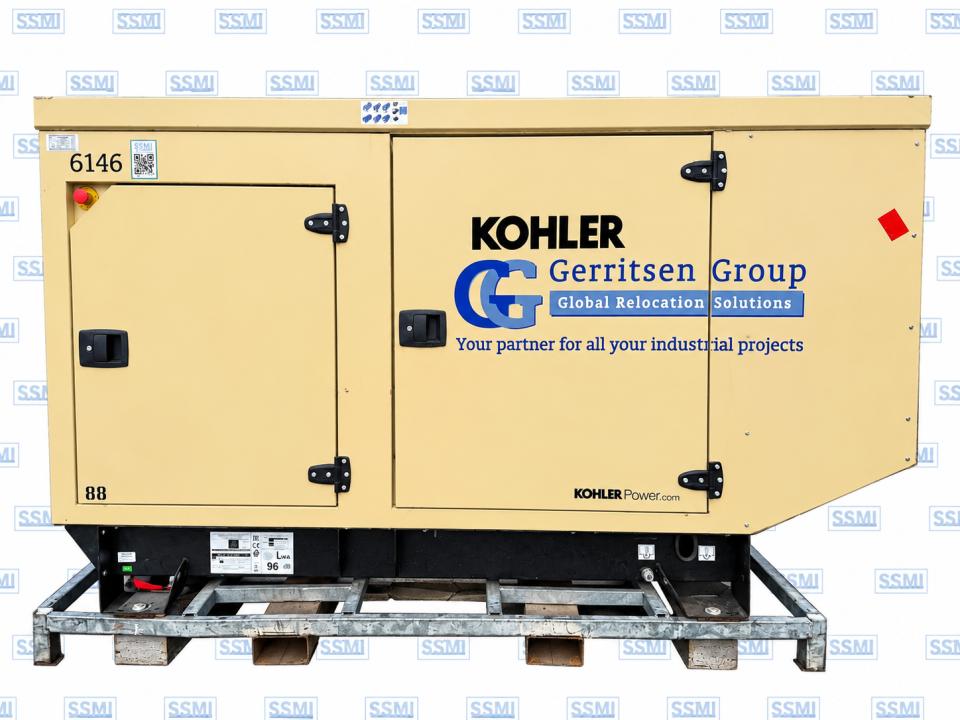
Power Generating Set

Power Generating Set

SKU: SSMIWAR1-00004543

Brand: KOHLER Power Systems / SDMO
Year: 2023
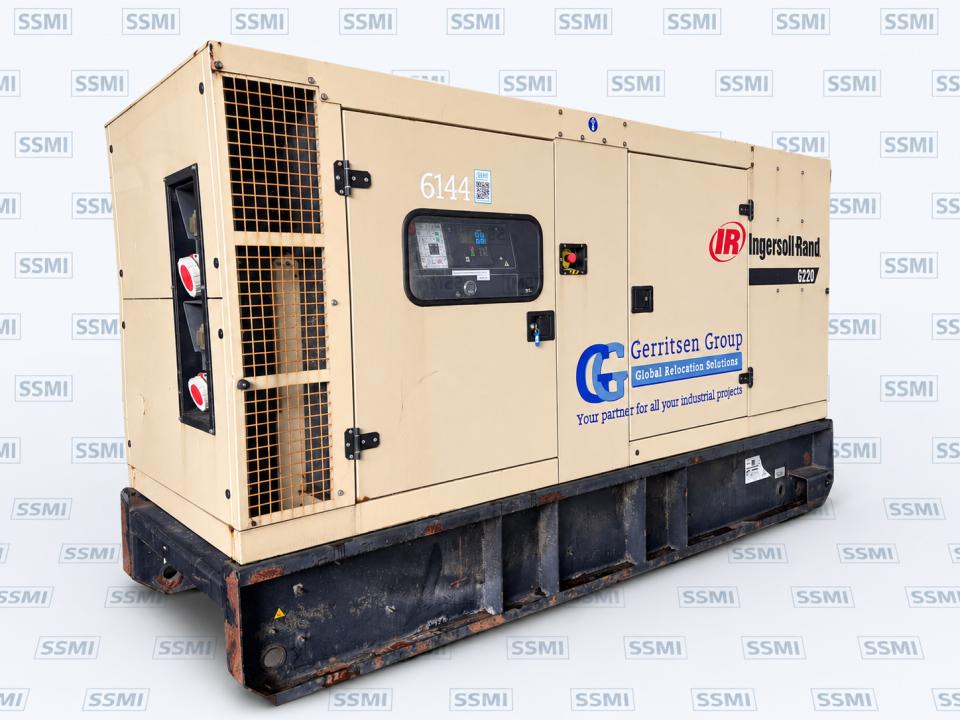
Power Generating Set

Power Generating Set

SKU: SSMIWAR1-00004542

Brand: Ingersoll Rand
Year: Unknown
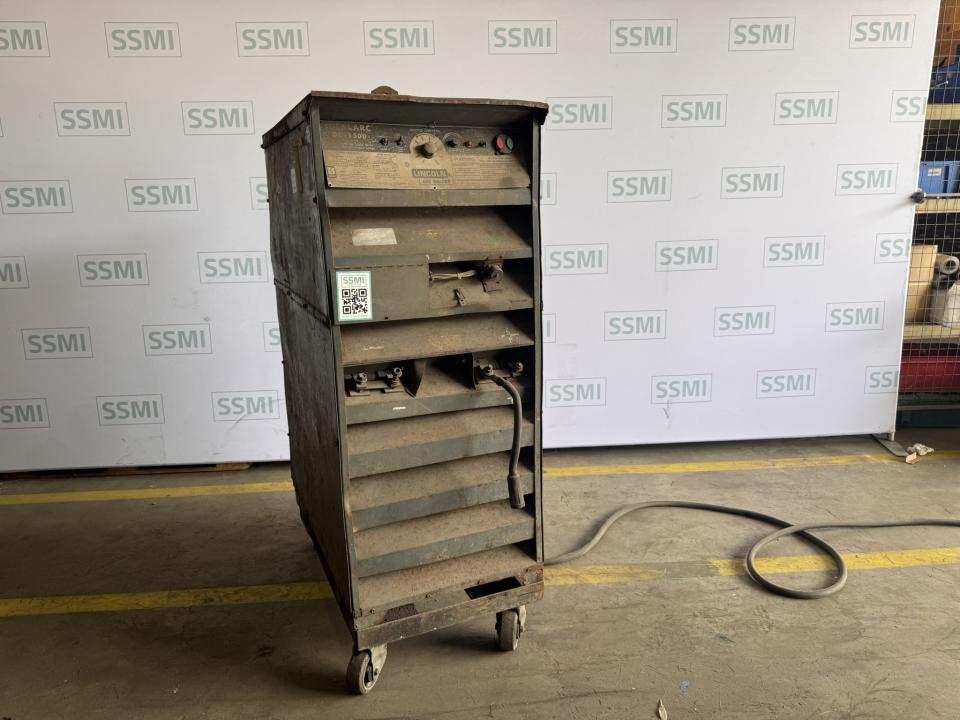
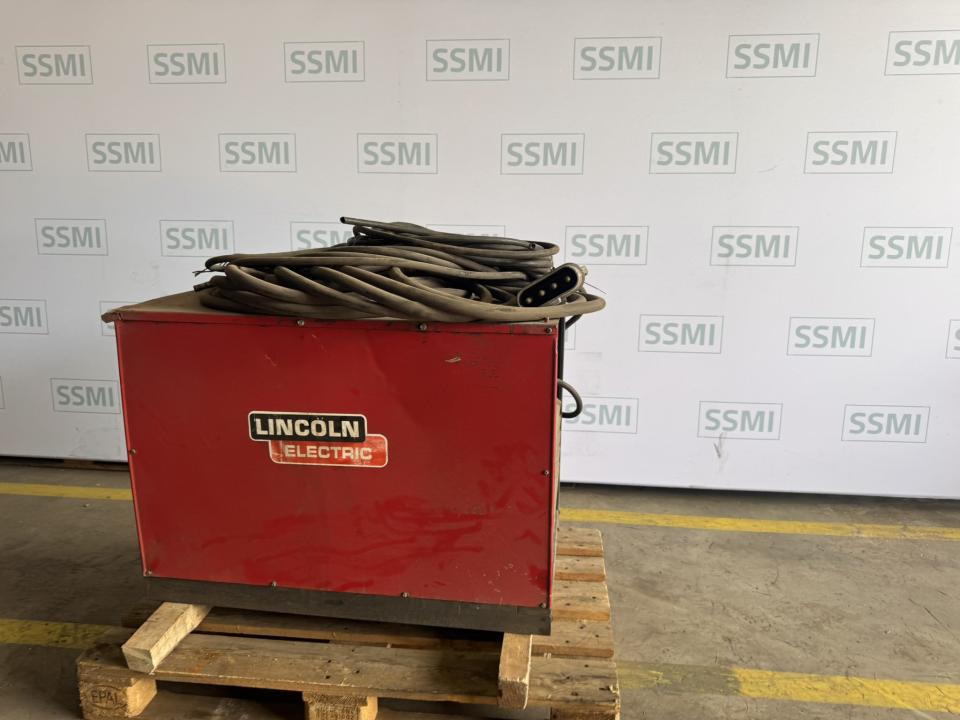
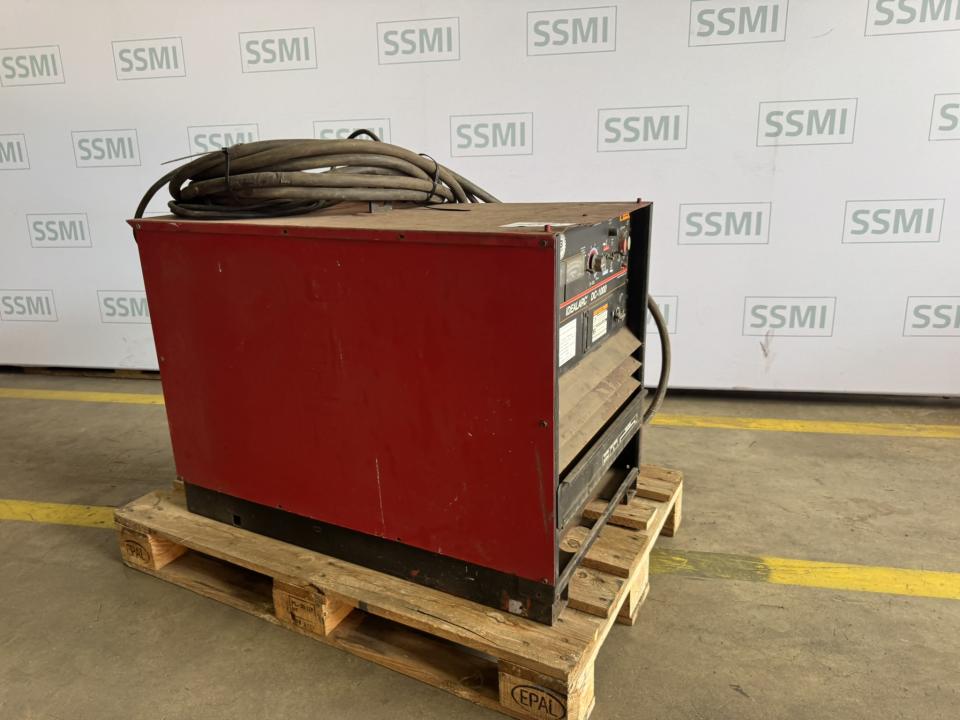
Welding Power Source

Welding Power Source

SKU: SSMIIND1-00004473

Brand: Lincoln Electric
Year: Unknown
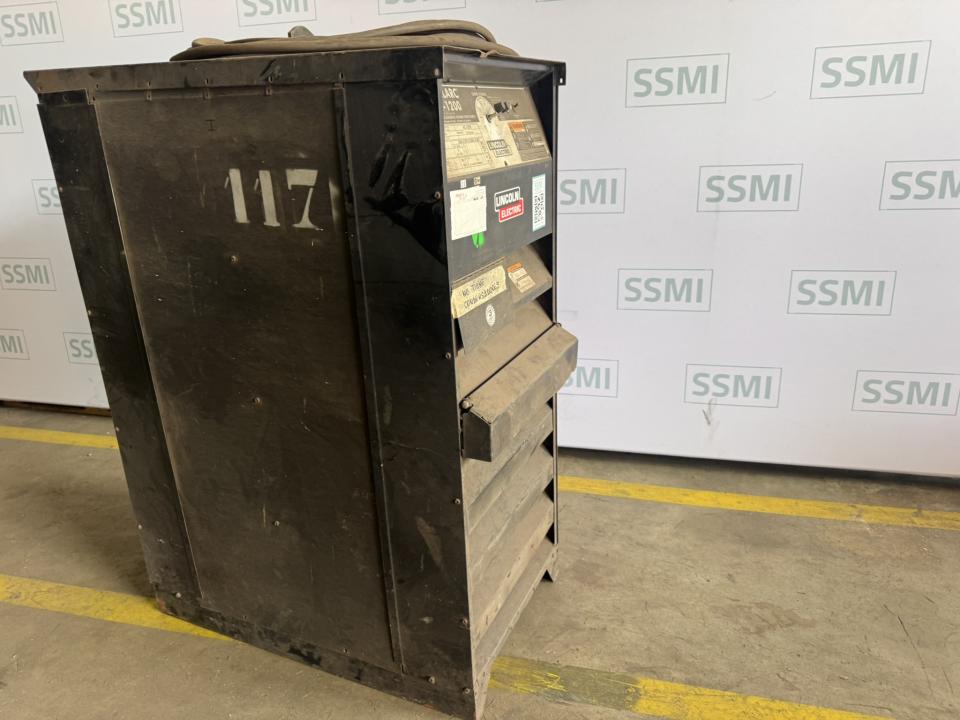
Welding Power Source

Welding Power Source

SKU: SSMIIND1-00004472

Brand: Lincoln Electric
Year: Unknown
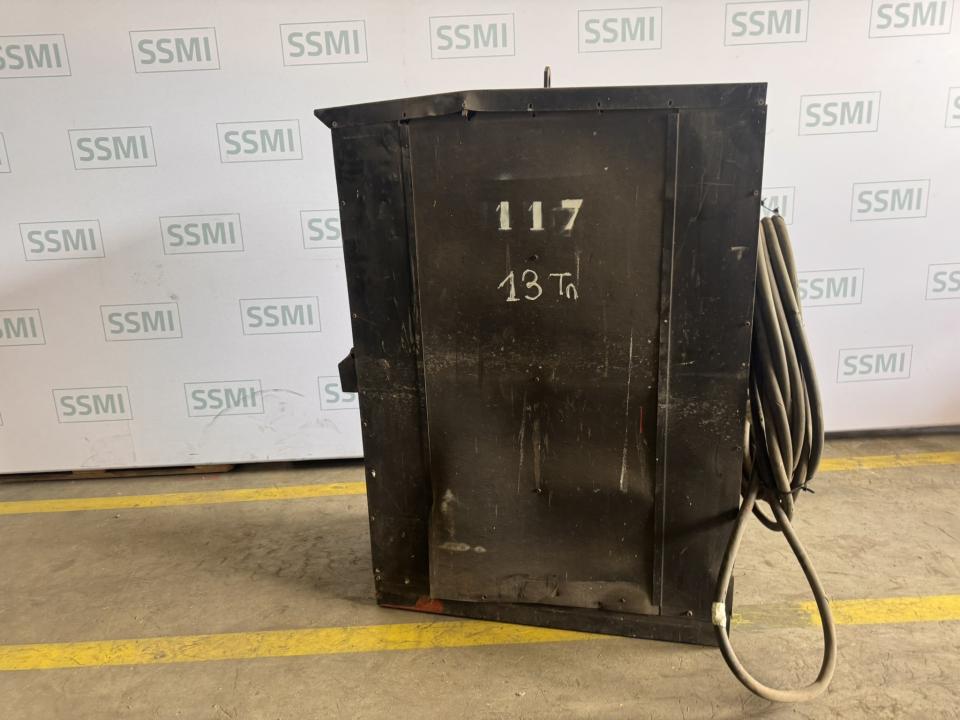
Welding Power Source

Welding Power Source

SKU: SSMIIND1-00004471

Brand: Lincoln Electric
Year: Unknown
Welding Power Source

Welding Power Source

SKU: SSMIIND1-00004468

Brand: Lincoln Electric
Year: Unknown
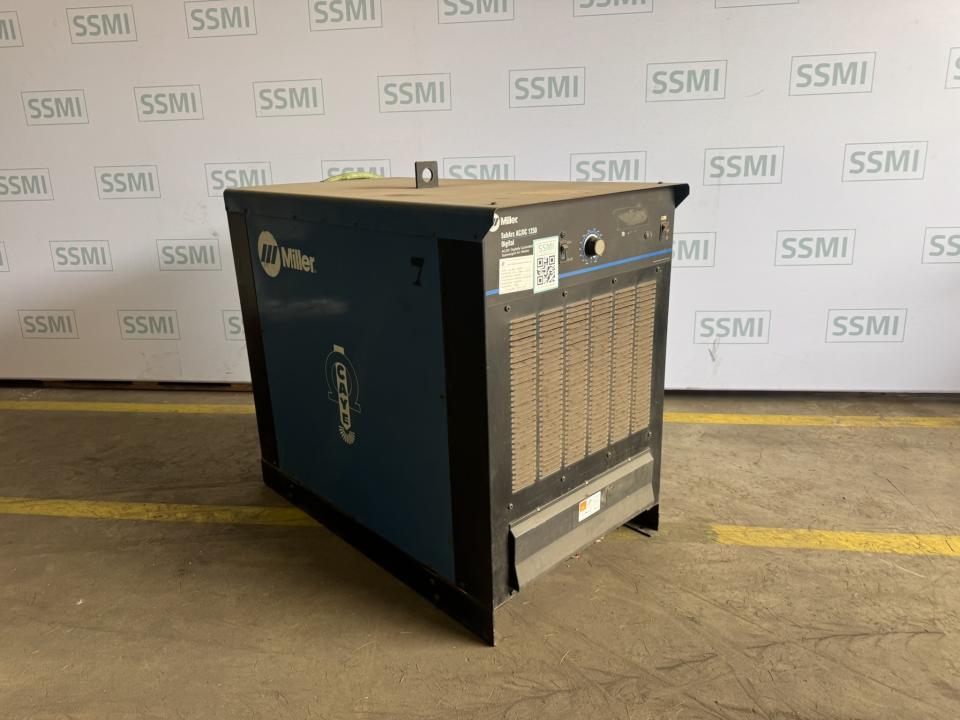
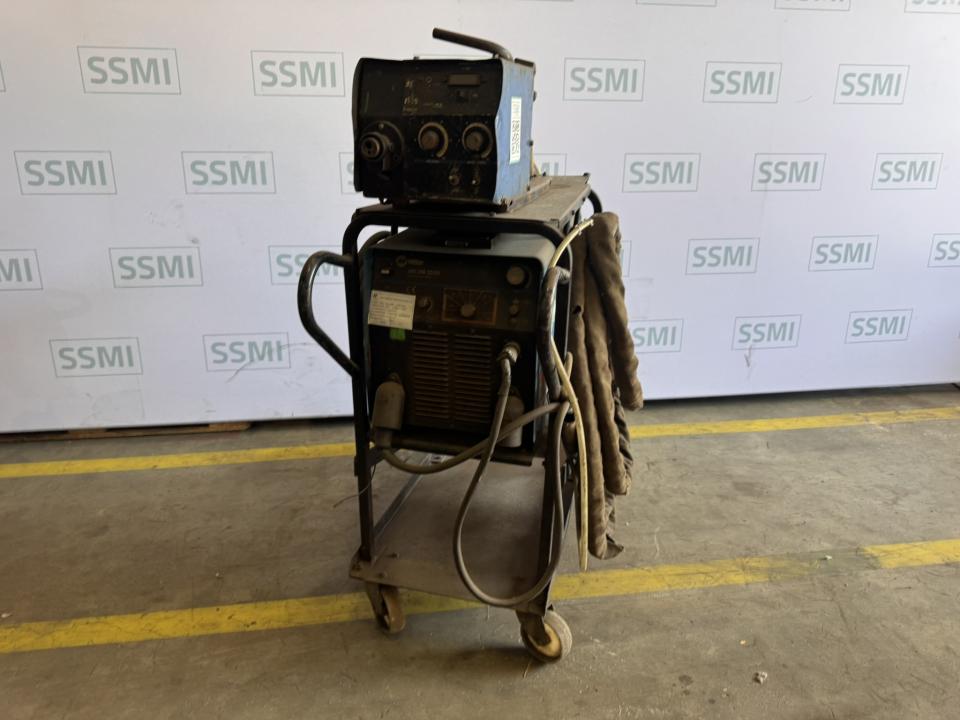
Welding Power Source

Welding Power Source

SKU: SSMIIND1-00004467

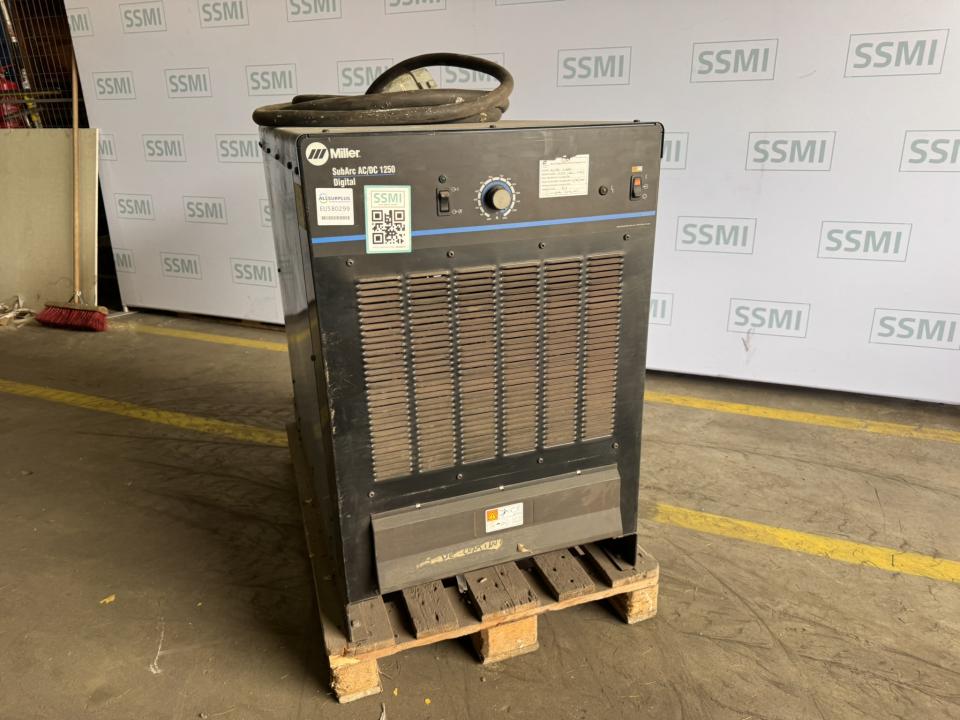
Brand: Miller
Year: Unknown
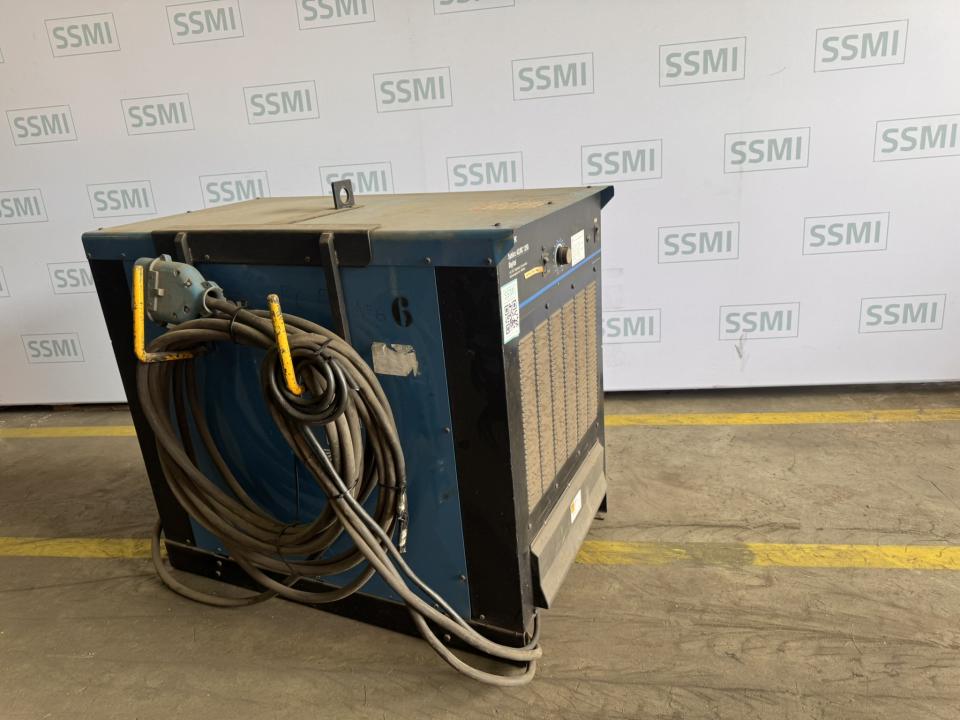
Welding Power Source

Welding Power Source

SKU: SSMIIND1-00004466

Brand: Miller
Year: Unknown
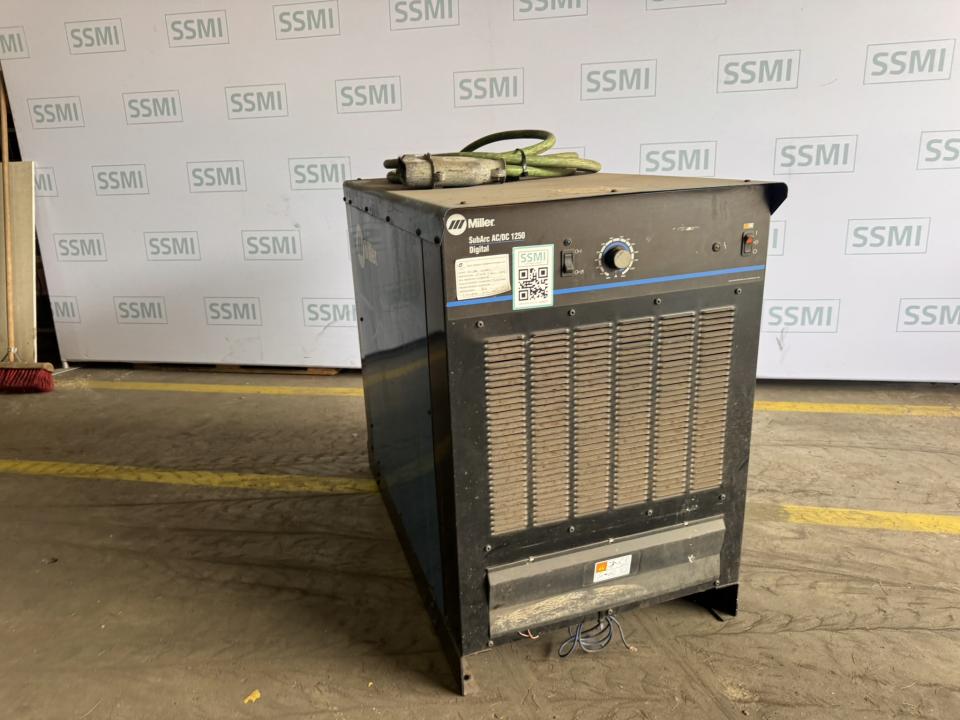
Welding Power Source

Welding Power Source

SKU: SSMIIND1-00004465

Brand: Miller
Year: Unknown
Welding Machine / Arc Welder

Welding Machine / Arc Welder

SKU: SSMIIND1-00004458

Brand: Lincoln Electric
Year: Unknown
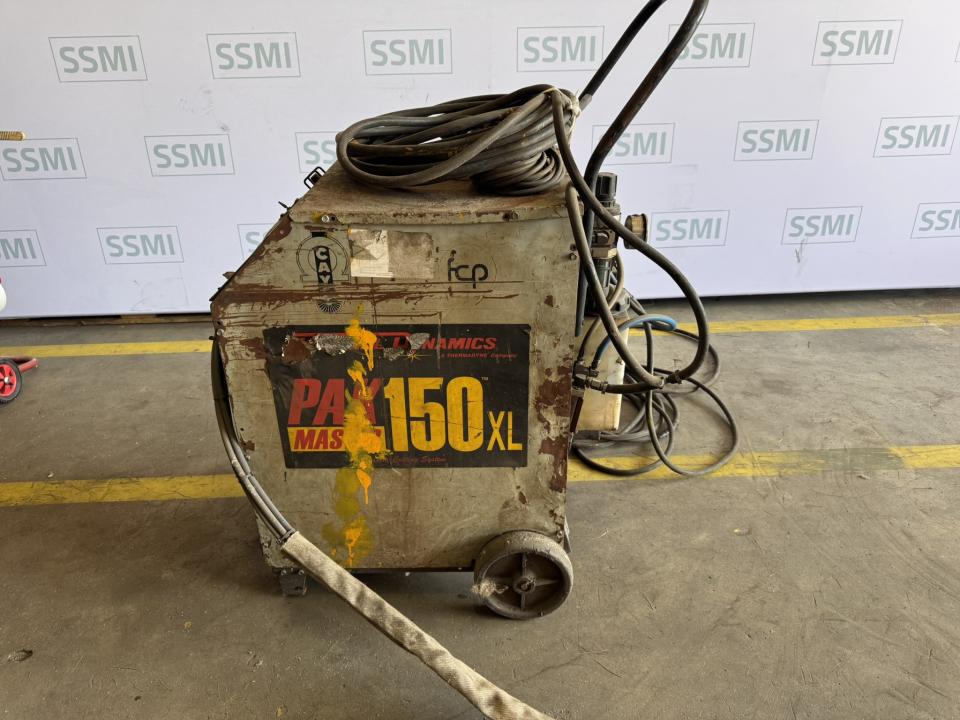
Plasma Cutting Power Source

Plasma Cutting Power Source

SKU: SSMIIND1-00004487

Brand: Thermal Dynamics (Thermadyne)
Year: 2005
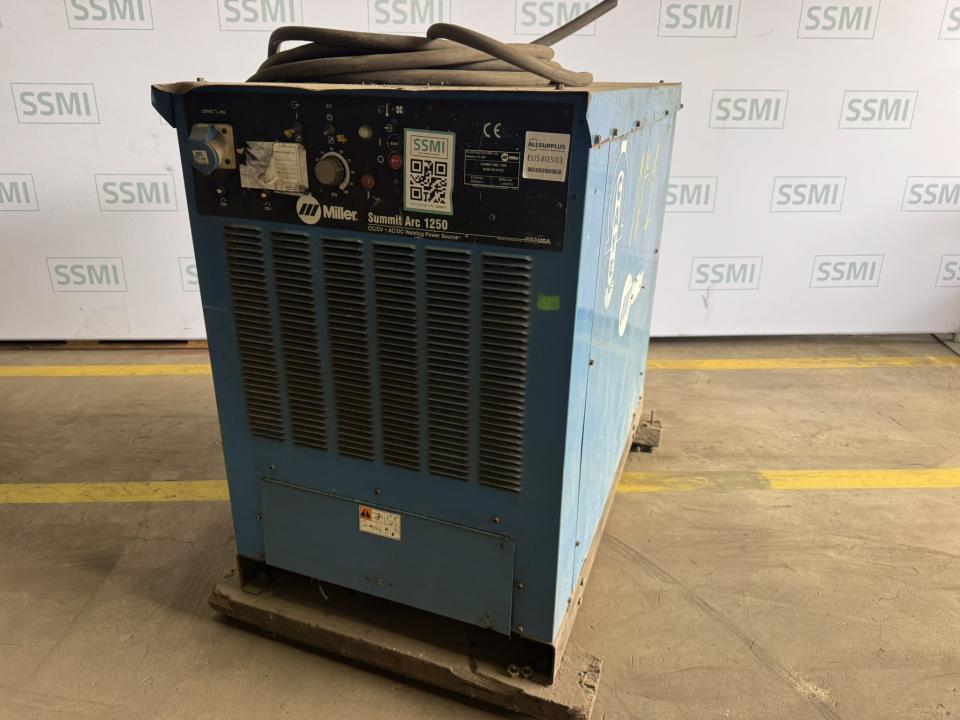
CC/CV DC Inverter Welding Power Source

CC/CV DC Inverter Welding Power Source

SKU: SSMIIND1-00004486

Brand: Miller
Year: Unknown
AC/DC Welding Power Source

AC/DC Welding Power Source

SKU: SSMIIND1-00004463

Brand: Miller
Year: Unknown
Welding Power Source

Welding Power Source

SKU: SSMIIND1-00004464

Brand: Miller
Year: Unknown
Stud Welding Machine

Stud Welding Machine

SKU: SSMIIND1-00004483

Brand: Koco Roster & Co
Year: Unknown

Recovering value from surplus metalworking machinery

A machine becoming surplus does not mean it has reached the end of its working life. We first consider whether equipment can be used again. It may be redeployed within the owner's organisation, sold directly to another manufacturer or offered through auction. Recycling follows where continued industrial use is no longer practical.

This approach helps owners recover value from surplus assets while keeping usable machinery in production for longer. For buyers, it creates access to industrial equipment released directly from existing manufacturing environments.

How we manage metal processing decommissioning projects

Our five-step process gives each project a clear structure from the first asset review through to site handover.

1. Project intake

We establish the asset inventory, project scope, site requirements, equipment intended for internal redeployment and the required timeline.

2. Project plan

The scope is translated into an executable plan. Site requirements and limitations are defined, the HSE plan is prepared and dismantling, receiving plant requirements and asset sales are coordinated.

3. Disassembly

Our teams dismantle the machinery included in the agreed scope. Where required, this can also include electrical and mechanical infrastructure and other surplus assets. The area is prepared for the agreed handover condition.

4. Transport

Equipment is prepared for its next destination. Our scope can include specialised packaging, export services and specialised transport for machinery being relocated or sold.

5. Transfer

Once the agreed work has been completed, the project results and contractual requirements are reviewed. Site responsibility is then returned to the client.

Metal processing decommissioning projects

Our project cases show how industrial downscaling works in practice. Rather than simply showing the machines that were removed, we document the project scope, site conditions, execution and destination of the assets. This provides a clearer picture of how equipment was redeployed, sold or recycled and how the facility was prepared for handover. Where confidentiality is required, client and commercially sensitive information can remain undisclosed.

 Large-Scale Metal Processing Plant Dismantling – Germany 

 SSMI and Gerritsen Group collaborated on the large-scale decommissioning of a metal processing facility in Central Germany, combining strategic project coordination with specialist industrial execution. Over a six-month period, 12 complete production lines, 20 CNC lathes, 18 industrial furnaces and associated technical installations were dismantled and removed. Approximately 10,000 tonnes of material were recovered, with valuable machinery prepared for global resale and steel structures and other materials processed for direct recycling. The project demonstrates an integrated approach to complex industrial decommissioning, maximising asset value and circular reuse while leaving the facilities fully cleared and ready for future redevelopment. 

Frequently asked questions

What is metal processing plant decommissioning?

Metal processing plant decommissioning is the controlled removal of machinery, production lines and associated assets when production is reduced, relocated or stopped. Depending on the project, the scope can include asset inventory, planning, dismantling, relocation, transport, machinery sales, recycling and site handover.

What should be checked before metalworking machinery is dismantled?

The machine, its connections and its intended destination should be understood before work starts. Relevant information can include machine dimensions and weight, utilities, foundations, access, lifting requirements, tooling, peripherals, documentation, operating status and whether the equipment will be relocated, sold or recycled.

Can a complete metalworking production line be relocated?

Potentially, yes. Planning should start before dismantling so that individual machines, connected equipment, controls and other line components can be identified. The requirements of the receiving facility should also be considered when planning dismantling, packaging and transport.


What happens to tooling when a machine is relocated or sold?

Tooling and peripherals that belong with a machine should be identified before dismantling. Keeping these components connected to the correct asset can be important for both internal redeployment and resale.

What information is useful when buying a used metalworking machine?

This depends on the type of machine. Manufacturer, model, year, serial number, capacity, working dimensions, control system, operating status, tooling, peripherals, documentation, location and availability can all be relevant. Machine-specific specifications should then provide the technical detail required for an initial assessment.

Can machinery be removed while surrounding production continues?

Potentially. This depends on the plant layout, access, utilities, equipment interfaces and site requirements. Where surrounding production needs to continue, these constraints are incorporated into project planning.

What happens to surplus metalworking machinery?

Equipment can be redeployed within the owner's organisation, sold directly, offered through auction or recycled. The appropriate route depends on the machine, its condition, available information and market demand.

Can SSMI arrange international machinery transport?

Transport and export services can form part of the project scope. SSMI can coordinate specialised packaging and transport for machinery moving to another production site or an external buyer.

andrej-pieterson

Andrej Pieterson

Managing Director

denis-timofeev

Denis Timofeev

Lead Commercial Engineer

Planning a metal processing decommissioning project?

Downscaling creates practical questions quickly. Which machines are staying? Which need to move? What can be sold? What belongs together? And how does the equipment leave the facility safely and within the required timeframe?

SSMI brings these activities into one project structure, from the first asset inventory through dismantling, relocation and asset sales to final site handover. Our sustainable approach not only reduces waste but also helps your operations align with global environmental standards, making SSMI a trusted partner for all your decommissioning needs.

Curious about your project’s potential? 

Whether you're planning to decommission a production line, repurpose machinery, or scale down operations, our proven expertise ensures efficiency, sustainability, and unmatched value. Ready to achieve maximum value for your downscaling plans?