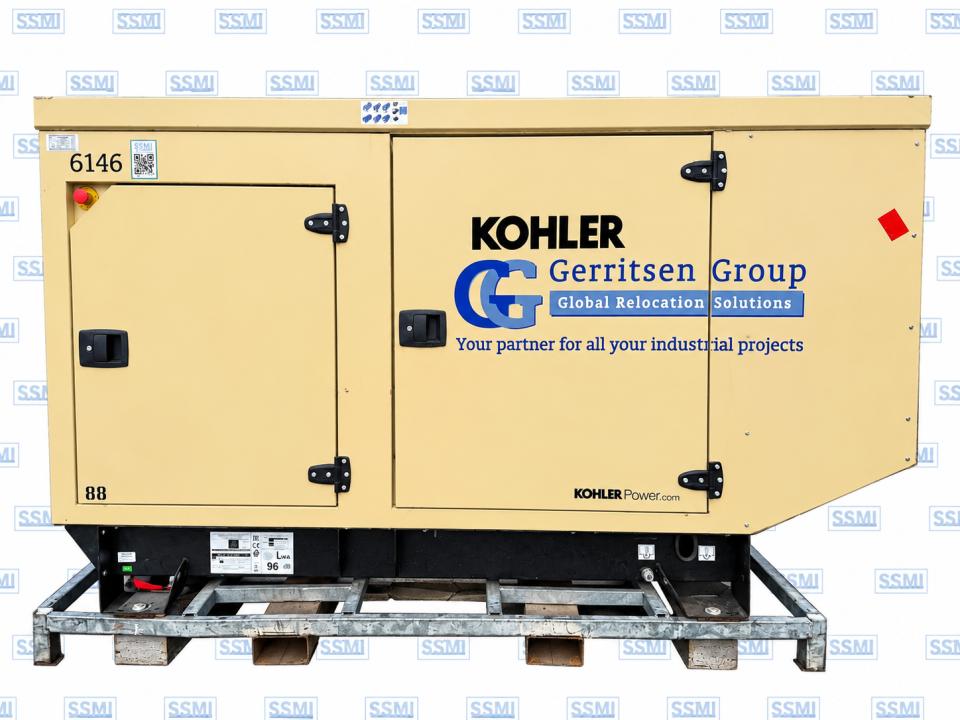
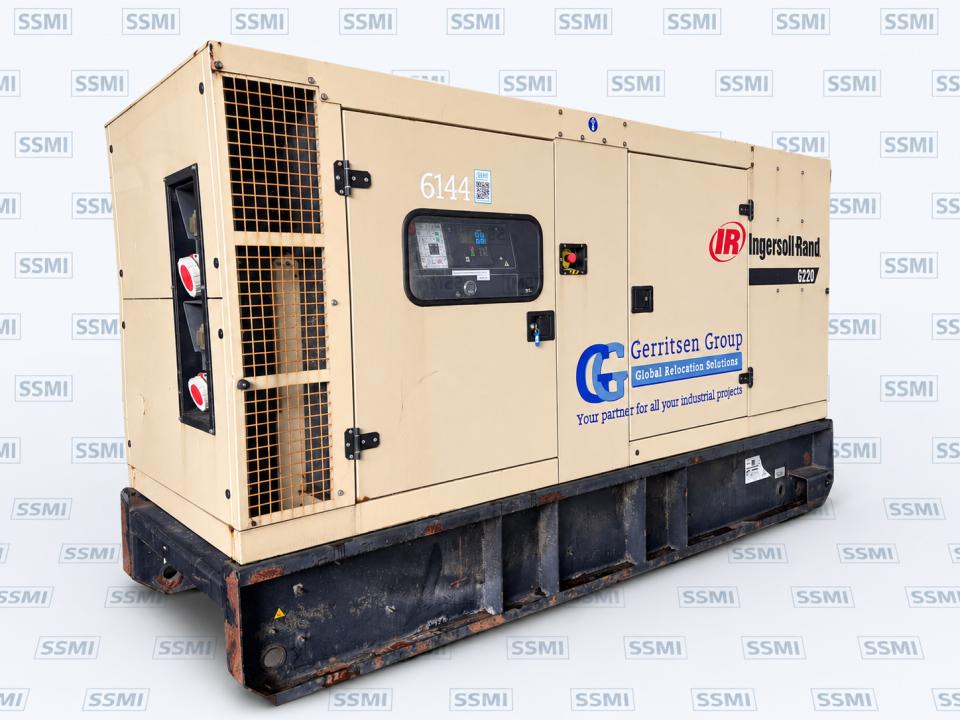
Power Generating Set
SKU: SSMIWAR1-00004543
When a recycling plant closes, changes capacity or replaces a processing line, valuable equipment can become surplus. Some machines may move to another facility. Others can be sold and continue operating under a new owner.
SSMI manages recycling plant decommissioning from asset inventory and project planning through dismantling, relocation, transport and site handover. Our experienced teams work with individual machines as well as complete processing lines, with the next destination of each asset considered before dismantling starts.
Equipment with further processing value can be redeployed within your organisation or brought back to the market.
A recycling plant is built around material flow. Feeding, size reduction, conveying, screening, separation, sorting and baling equipment work together to turn incoming material into usable output streams.That relationship matters when a line is dismantled.
A shredder may be connected to feeding and discharge conveyors. Sorting equipment can depend on sensors, controls and supporting systems. Screens, separators and balers may form part of the same processing route. Removing equipment without understanding those connections can make relocation or resale more difficult.
SSMI has experience with decommissioning projects in the recycling industry. Before work starts, we establish the project scope, equipment interfaces, site requirements and intended destination of the assets. HSE requirements, access, lifting and transport constraints and the project timeline are incorporated into the plan.
Recycling plant and processing line decommissioning
A project can involve selected equipment, a complete processing line or larger areas of a recycling facility.
SSMI coordinates the work as one project. Depending on the scope, this can include asset inventory, project and HSE planning, equipment dismantling, removal of agreed electrical and mechanical infrastructure, specialised packaging, transport, export services, equipment sales and preparation of the site for handover.
Asset inventory and project scope
We start by establishing what is included and where each asset needs to go.
Equipment intended for internal redeployment is identified separately from machinery being sold or recycled. We also establish which machines belong to the same processing system and which supporting equipment should remain with them.
Site limitations, receiving facilities and the required timeline are considered at this stage.
Recycling equipment dismantling
The dismantling sequence depends on the equipment, the layout of the plant and what will happen to the assets afterwards.
Heavy shredders, balers and other processing machinery can require specialised lifting and removal planning. Conveyors and sorting systems may extend across different levels or production areas. Electrical, mechanical and control interfaces also need to be considered.
Our teams dismantle the equipment within the agreed project scope, taking these conditions into account.
Complete processing line dismantling
Complete recycling lines require coordination across multiple connected systems.
Before dismantling starts, we identify the main machines, conveyors, feeders, controls and other components within the line. Equipment intended for relocation or resale can then be dismantled with its future use in mind.
This also helps determine the most practical sequence for removing equipment from the facility.
Equipment relocation and redeployment
A recycling line becoming surplus at one facility does not mean its equipment has reached the end of its working life.
Where machinery is being redeployed, SSMI can coordinate dismantling, specialised packaging, export services and transport to the receiving facility. Requirements from the destination site are considered during project planning rather than after the equipment has already been removed.
Surplus equipment sales
Equipment without an internal destination may still have considerable industrial value.
SSMI brings suitable recycling machinery back to the market through direct sales or auction. Depending on the project, machines can be sold individually or together with related equipment from the same processing line.
Recycling follows where further industrial use is no longer practical.
A recycling line works as a sequence. Material moves from one process to the next, often through equipment that has been configured around a specific input material and required output. That makes the relationship between machines important.
Before dismantling begins, we establish which conveyors and feeders belong to each machine, which controls are connected, which peripherals should stay with the equipment and how the assets can leave the facility.
The previous material stream is relevant too. Equipment used for plastics, metals, paper, wood or mixed waste may have different configurations and technical information that should remain connected to the asset. Planning this before dismantling helps preserve useful equipment as a complete and understandable industrial asset.
A machine tells only part of the story. For a shredder, the previous material, throughput, rotor configuration, screens, drive and connected feeding equipment can all be relevant. For sorting equipment, buyers may need information about the sorting technology, feed configuration, sensors and controls. A baler has another set of relevant specifications. This information is easier to establish while the equipment is still connected to its production environment.
For assets intended for reuse, SSMI therefore considers the machine in the context of the process it belongs to. Related equipment and available technical information can be identified before the line is dismantled. That gives receiving plants and potential buyers a clearer picture of what is available.
SSMI brings suitable recycling machinery released through decommissioning and asset disposal projects back to the market. Depending on current projects, available equipment can include shredders and size reduction machinery, sorting and separation systems, screens, balers and compactors, conveyors, feeding systems and other material handling equipment. Complete recycling and processing lines can also become available.
Used recycling equipment needs to be understood in the context of its previous application. Where available, our listings provide information such as manufacturer, model, year, serial number, previous material stream, capacity or throughput, working dimensions, drive, controls, included equipment, available documentation, operating status, location and availability.
The relevant information differs by machine. A shredder buyer will need different specifications from someone assessing a baler or sorting system. Individual equipment pages therefore provide the technical information available for that specific asset. We state what is known rather than filling in missing information with assumptions.
Our inventory changes as equipment is released through recycling and other industrial projects. Explore the machinery currently available from SSMI, from individual processing machines to equipment from complete recycling lines.
SKU: SSMIWAR1-00004543

Removing equipment does not automatically mean scrapping it. We first consider whether suitable assets can continue to be used. Equipment may be redeployed within the owner's organisation, sold directly to another operator or offered through auction. Recycling follows where further industrial use is no longer practical.
This approach can recover value from surplus assets while extending the working life of useful industrial equipment. It is particularly relevant in the recycling industry. Machinery that has become surplus at one plant may still have a productive role in another.
Our five-step process provides a clear structure from the first asset review through to final site handover.
1. Project intake
We establish the asset inventory, project scope, site requirements, equipment intended for internal redeployment and the required timeline.
2. Project plan
The scope is translated into an executable plan. Site requirements and limitations are defined, the HSE plan is prepared and dismantling sequences, receiving facilities and asset sales are coordinated.
For complete processing lines, we also consider the relationship between individual machines and how the equipment needs to leave the facility.
3. Disassembly
Our teams dismantle the recycling equipment included in the agreed scope. Where required, this can also include electrical and mechanical infrastructure and other surplus assets.
The work is coordinated around the plant layout, equipment interfaces and agreed handover condition.
4. Transport
Equipment is prepared for its next destination. Our scope can include specialised packaging, export services and specialised transport for machinery being relocated or sold.
5. Transfer
Once the agreed work has been completed, the project results and contractual requirements are reviewed. Site responsibility is then returned to the client.
Our experience in the recycling industry comes from real projects. These projects can involve individual processing areas, complete lines and wider plant decommissioning. The work brings together technical dismantling, HSE, logistics and asset recovery within one project structure.
Our project cases show the facility, processing environment, scope of work, equipment involved and destination of surplus assets. Where confidentiality is required, commercially sensitive information can remain undisclosed.
SSMI and Gerritsen Group collaborated on the complete decommissioning and asset recovery of a specialised waste-to-energy recycling facility in Aßlar, Germany. The project covered the safe dismantling of recycling and energy-generation equipment, asset recovery and cross-border logistics, with reusable machinery redeployed across Europe and remaining materials prepared for recycling.
The scope depends on the facility and equipment involved. A project can include asset inventory, project and HSE planning, equipment dismantling, complete line removal, removal of agreed infrastructure, relocation, specialised packaging, transport, equipment sales, recycling and site handover.
The process starts by identifying the equipment, connections and intended destination of the assets. The dismantling sequence can then be planned around the material flow, equipment interfaces, access, lifting requirements, site conditions and transport route.
Potentially, yes. Equipment and supporting components should be identified before dismantling, and requirements from the receiving facility should be incorporated into the plan. The technical and commercial feasibility depends on the individual line.
Relevant information can include manufacturer, model, serial number, previous material stream, capacity or throughput, configuration, controls, included peripherals, available documentation, operating status and intended destination. The exact information depends on the equipment.
Potentially. This depends on the plant layout, shared utilities, material flows, equipment interfaces, access and site requirements. Where surrounding operations need to continue, these conditions are considered during project planning.
The previous application is particularly relevant. Buyers may also need manufacturer, model, year, capacity, throughput, configuration, drive, controls, included equipment, operating status, documentation, location and availability. Machine-specific technical information should be reviewed for the intended new application.
Yes, suitable equipment can be offered for resale. Whether a machine is sold individually or together with related equipment depends on the asset, its configuration, available information and market demand.
Equipment can be redeployed within the owner's organisation, sold directly, offered through auction or recycled. Establishing the intended route before dismantling can help preserve the equipment and information required for reuse.
Complete processing lines can be brought to the market where the equipment, project scope and commercial situation make this practical. Individual machines can also be sold separately.
Transport and export services can form part of the project scope. This can include specialised packaging and transport for equipment being relocated to another production site or delivered to an external buyer.
A plant closure or production change creates decisions before any machine starts to move. Which equipment stays within the organisation? What can be sold? Which machines belong together? What needs to be removed, and in what sequence?
SSMI brings these activities together under one project structure. Our experienced teams manage the work from asset inventory and planning through dismantling, relocation and asset sales to site handover.