
Plate heat exchanger
SKU: SSMIBRI1-00004399
A wood processing facility is more than a collection of machines. Saws, CNC machinery, planers and sanders can depend on conveyors, controls, extraction systems and other equipment around them.
When a production line is downsized, relocated or closed, those connections matter.
SSMI manages industrial decommissioning from asset inventory and project planning through dismantling, relocation, transport and site handover. Machinery with further production value can be redeployed within your organisation or brought back to the market.
Wood processing covers different production environments. A sawmill built around log handling and sawing has little in common with a factory using CNC machining centres, panel saws and edgebanders. Wood-based panel production introduces another set of processes and equipment. The project therefore starts with the facility itself.
SSMI establishes which production areas are affected, how equipment is connected and where the assets need to go. Access, HSE requirements, utilities, supporting infrastructure and remaining operations are incorporated into the project plan.
A project can involve a single production line, selected areas or a complete manufacturing facility. Depending on the agreed scope, SSMI can manage asset inventory, project and HSE planning, equipment dismantling, removal of agreed mechanical and electrical infrastructure, specialised packaging, transport, machinery sales and preparation of the area for handover.
The destination of the machinery is considered early. Equipment being moved to another factory requires a different approach from machinery being prepared for sale or recycling.
Asset inventory and project scope
Before physical work begins, we establish what is present and what needs to happen to it.
Machines intended for internal redeployment are identified separately from assets being sold, auctioned or recycled. Controls, infeed and outfeed systems, material handling and dedicated auxiliaries can be linked to the machines they serve.
Site access, available technical information, project requirements and the required timeline are also incorporated into the scope.
Wood processing equipment dismantling
Wood processing machinery can range from individual CNC machines to large, connected sawmill installations.
The dismantling approach reflects that difference.
Machine dimensions, weight, access, supporting structures, utilities and associated equipment are considered before removal begins. Equipment intended for reuse is dismantled with its next destination in mind.
Complete production line dismantling
A complete line can contain far more than its main production machines.
In a sawmill, log handling, debarking, sawing, edging, trimming, sorting and conveying can form one connected process. In secondary woodworking, machines may be connected through automated handling, controls and extraction systems.
SSMI identifies those relationships before the line is separated.
Machinery relocation and redeployment
Machinery that becomes surplus at one site may still be required elsewhere in your organisation.
SSMI can coordinate dismantling, specialised packaging and transport to the receiving facility. Where relevant, the destination is considered during project preparation so that machine identity, controls, auxiliaries and available documentation remain clear.
This applies to individual machines as well as larger production systems.
Specialised packaging and transport
A CNC machining centre, long conveyor section and heavy sawmill machine each require a different handling approach. Dimensions, weight, lifting points, sensitive components, access and transport destination influence how equipment is prepared for movement.
Our scope can include internal equipment movements, specialised packaging, export services and specialised transport.
Surplus machinery sales
Machinery without an internal destination can still have considerable production value.
Suitable wood processing and woodworking equipment can be brought back to the market through direct sale or auction. Available technical information and details of included components can be documented to give buyers a clearer view of the asset.
Recycling follows where further industrial use is no longer practical.
A woodworking machine rarely operates on its own. Material needs to reach the machine, pass through it and move to the next production stage. Controls, safety systems, extraction and other auxiliaries can also be part of that process.
Before dismantling begins, SSMI establishes the relevant equipment relationships. This helps determine what should remain together, what belongs to another production area and what forms part of the shared factory infrastructure.
A sawmill is built around material flow. Logs move through handling and primary processing before timber continues through sawing, edging, trimming, sorting and further processing. Conveyors, transfer systems and controls connect these stages.
Removing one machine without considering the equipment around it can separate components that belong to the same production system. Where machinery is intended for relocation or resale, SSMI can maintain the relationship between the main machine and relevant infeed, outfeed, controls, hydraulics and other dedicated equipment.
The visible machine is not always the complete asset. A CNC woodworking machine can have a dedicated control cabinet, vacuum equipment, tooling systems, safety fencing and material handling. A sawmill machine may have dedicated infeed, outfeed, hydraulics, scanning equipment and controls.
Some components belong to one machine. Others serve several parts of the factory. That distinction needs to be clear before anything is disconnected.
Material handling can represent a substantial part of a wood processing installation. Log decks, transfer systems, roll cases, conveyors, sorting systems and stackers can connect individual machines into one production line.
Where these systems are dedicated to equipment that will be reused, keeping their relationship clear can support relocation or resale. Shared handling systems are treated differently and may need to remain operational for other production areas.
Wood processing facilities can contain extensive supporting systems. Dust and chip extraction, compressed air, electrical distribution, hydraulics, heating and waste handling may serve several machines or production lines.
During partial decommissioning, these systems need to be distinguished from equipment dedicated to the line being removed. SSMI establishes these boundaries during project preparation and incorporates them into the dismantling scope.
Saws, planers, moulders, CNC machines and sanding equipment can all be connected to extraction systems. A single machine may have a dedicated extraction unit, while larger facilities can use central systems with filters, fans, cyclones and extensive ducting.
Before machinery is removed, the existing extraction arrangement needs to be understood. Equipment boundaries, disconnection points and any systems that need to remain operational are included in the project planning. Responsibilities and requirements are defined for the individual site and project scope.
Downscaling does not always mean closing the complete factory. One production line may be removed while other machines continue to operate. Shared extraction, electrical systems, compressed air, material handling and access routes can make this more complex than simply isolating the machines being removed. These interfaces are identified before dismantling begins. The execution sequence can then be aligned with the agreed operating conditions, HSE requirements and site access.
SSMI brings suitable machinery released through industrial decommissioning, relocation and asset disposal projects back to the market. Available equipment changes as projects progress. Inventory can range from individual woodworking machines to sawmill equipment, material handling systems and complete production lines.
Trimmers and sorting equipment
Trimming and sorting can form part of the downstream process after primary sawing.
Machines can be connected to conveyors, scanning, controls and stacking systems. These relationships are considered when defining the reusable asset.
Band saws, resaws and edgers
Sawing equipment can differ significantly in configuration and capacity.
Relevant information can include maximum material dimensions, saw configuration, motor power, feed speed, infeed and outfeed equipment, controls and available documentation.
Debarkers and log handling equipment
Log handling systems can include decks, conveyors, transfer systems and equipment feeding logs into the first processing stage.
Where equipment is removed as a connected system, the relationship between handling equipment and the main machine can be maintained where practical.
Sawmill equipment
Used sawmill equipment can include machinery from different stages of log and timber processing.
The information required by a buyer depends on the machine. Manufacturer, model, year, capacity, working dimensions, motor power, controls and included infeed or outfeed systems can all be relevant.
Edgebanders
Edgebanding machines can contain several processing stations within one machine.Working dimensions, feed speed, edge thickness range, station configuration, controls and included return or handling systems can be relevant to a buyer.
Panel and beam saws
Industrial panel and beam saws are used for controlled cutting of sheet material. Cutting dimensions, saw configuration, feed and handling systems, controls and available automation can be relevant when machinery is prepared for resale or relocation.
CNC woodworking machinery
CNC machining centres and routers can represent valuable standalone assets, but their complete configuration matters. Working area, axes, spindle specifications, drilling equipment, tool changer, controls, vacuum equipment and included tooling or aggregates can all affect future use. Available machine-specific information is documented where possible.
Planers and moulders
Planers and moulders can be used for dimensioning and profiling timber in industrial production.
Working width and height, spindle arrangement, feed speed, motor data, controls and included handling equipment can help buyers assess a used machine.
Conveyors and material handling
Conveyors, transfer systems and other handling equipment can remain useful after the original production line has been taken out of service. Dimensions, capacity, drive configuration, construction and included supports help determine whether these systems can be reused elsewhere.
Woodworking presses
Presses can be used in different wood and panel manufacturing processes. The technical information required depends on the press. Dimensions, pressure or force, heating where applicable, opening, controls and previous application can all be relevant.
Sanding equipment
Wide belt sanders and other industrial sanding machines can be used at different stages of wood and panel processing.Working width, number and type of sanding units, feed speed, motor data, controls and extraction requirements can be relevant when assessing used equipment.
Drilling and routing equipment
Standalone and integrated drilling and routing machines can become available through factory downscaling and relocation projects.Machine configuration, working area, tooling, controls and associated handling equipment are documented where information is available.
Dust and chip extraction equipment
Suitable extraction equipment can also become available through decommissioning projects.Depending on the system, this may include filters, fans, cyclones, ducting and chip handling equipment. Available specifications and the original equipment configuration can be documented for potential reuse.
Drying and kiln equipment
Drying can form part of primary timber processing before further machining or finishing. Kilns and associated systems can be closely integrated with utilities and the building. Their dismantling and reuse therefore require a project-specific assessment rather than treating them as conventional standalone machinery.
Wood-based panel equipment
MDF, particleboard, OSB and other wood-based panel production use specialised process equipment.Where suitable machinery from these production environments becomes available through our projects, it can be assessed for redeployment or sale based on the individual asset and available technical information.
Complete wood processing lines
Some projects release several connected production stages together. Where practical, SSMI can preserve the relationship between main machines, material handling, controls and dedicated auxiliaries during dismantling. This gives the receiving site or potential buyer a clearer understanding of what is included.
A machine listing should contain the information that matters for that particular machine. For a CNC machining centre, this can mean working area, axes, spindle specifications, tool changer and control system. A planer requires information about working dimensions, spindles and feed speed. For sawmill machinery, capacity, material dimensions, drive configuration and included handling systems may be more relevant.
Where available, SSMI listings can also include manufacturer, model, year, serial number, previous application, motor data, controls, included auxiliaries, operating status, documentation, location, availability and dismantling status. We provide the information available for the asset. Suitability for a new production process or installation remains specific to the buyer's requirements.
Our inventory changes as machinery and production systems are released through industrial projects. Explore the wood processing and woodworking machinery currently available from SSMI and review the available technical information for each asset.
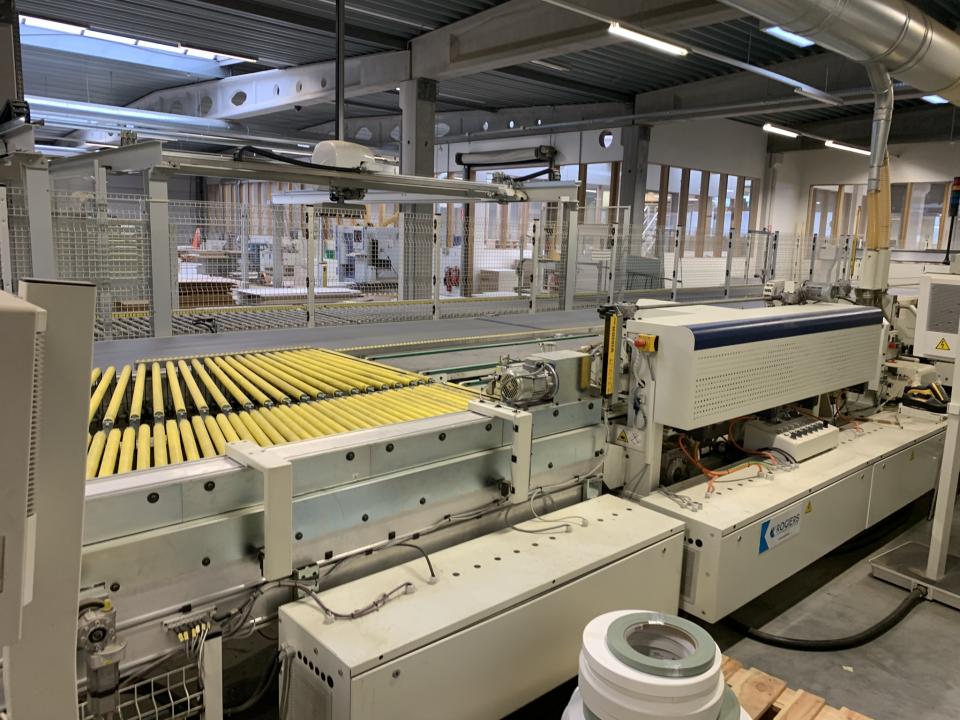
A factory closing or changing production does not mean its machinery has reached the end of its working life. A CNC machining centre may move to another factory. Sawmill equipment can find a new industrial user. Material handling or extraction equipment may be suitable for a different installation.
SSMI assesses the available routes as part of the project. Suitable assets can be redeployed internally, sold directly or offered through auction. Equipment without a practical route to further industrial use can be directed towards recycling.
2. Project plan
The agreed scope is translated into an execution plan. HSE requirements, dismantling sequence, access, lifting, remaining production, receiving facilities, transport and asset sales are coordinated around the project requirements.
1. Project intake
We establish the asset inventory, project scope, site requirements, equipment destinations and timeline.Available documentation, access conditions and the relationship between machinery and supporting systems can also be reviewed at this stage.
3. Disassembly
Our teams dismantle the machinery and other equipment included in the agreed scope.Where required, this can also include agreed electrical and mechanical infrastructure. Machinery intended for relocation or sale is handled with its next destination in mind.
4. Transport
Equipment is prepared for movement to its next location. Our scope can include internal movements, specialised packaging, export services and specialised transport. Different destinations can be coordinated within the same project where required.
5. Transfer
Once the agreed work has been completed, project results and contractual requirements are reviewed before site responsibility is returned to the client.
The scope depends on the facility. It can include asset inventory, project and HSE planning, machinery dismantling, removal of agreed infrastructure, relocation, specialised transport, machinery sales, recycling and site handover.
The production flow and equipment relationships are established before dismantling begins. Saws, log handling, conveyors, controls, hydraulics, sorting equipment and supporting systems can then be linked to the relevant production areas and destinations.
The physical dismantling sequence is developed around the actual installation, access and lifting requirements.
Potentially. Feasibility depends on the machinery, configuration, condition, available documentation, supporting equipment, access, transport requirements and receiving facility.
These factors should be assessed before dismantling begins.
Depending on the installation, a sawmill line can include log handling, debarking, primary sawing, resawing, edging, trimming, sorting, conveying and stacking equipment together with controls and dedicated auxiliary systems.
Useful information can include manufacturer, model, machine configuration, controls, dedicated infeed and outfeed, extraction connections, hydraulics, vacuum equipment, included tooling or auxiliaries, available documentation and intended destination.
Many CNC woodworking machines can potentially be relocated. The individual machine, configuration, condition, access, handling requirements and receiving site first need to be assessed.
Controls, tooling systems and dedicated auxiliaries should also be considered before dismantling.
Where they are dedicated to the machine and required for its future operation, keeping their relationship clear can support relocation or resale.
Shared handling systems may need to remain with the original facility.
This depends on the original installation. A machine may have dedicated extraction or connect to a central system serving several production areas.
The existing arrangement needs to be established before disconnection points and the dismantling scope are defined.
Potentially. Shared extraction, material handling, utilities and access routes need to be identified first.
The dismantling sequence can then be developed around the agreed operating conditions and HSE requirements.
Manufacturer, model, year, machine configuration, working dimensions, capacity where documented, drive data, controls, included tooling and auxiliaries, operating status, documentation, location and availability can all be relevant.
The exact information required depends on the machine.
Suitable machinery can be assessed for internal redeployment, direct sale or auction. Different assets from the same production line can follow different routes.
Equipment without a practical route to further industrial use can be recycled within the agreed project scope.
SSMI brings suitable machinery released through industrial projects back to the market. Depending on current inventory, this can include sawmill machinery, CNC equipment, saws, planers, moulders, sanders, presses, material handling and complete production systems.
Before the first machine is disconnected, you need to know what belongs together. Which machinery will be redeployed? Which equipment can be sold? Does the infeed belong with the machine? Is extraction dedicated or shared? Which infrastructure needs to remain operational?
SSMI brings these activities together under one project structure, from asset inventory and planning through dismantling and transport to machinery sales and site handover.