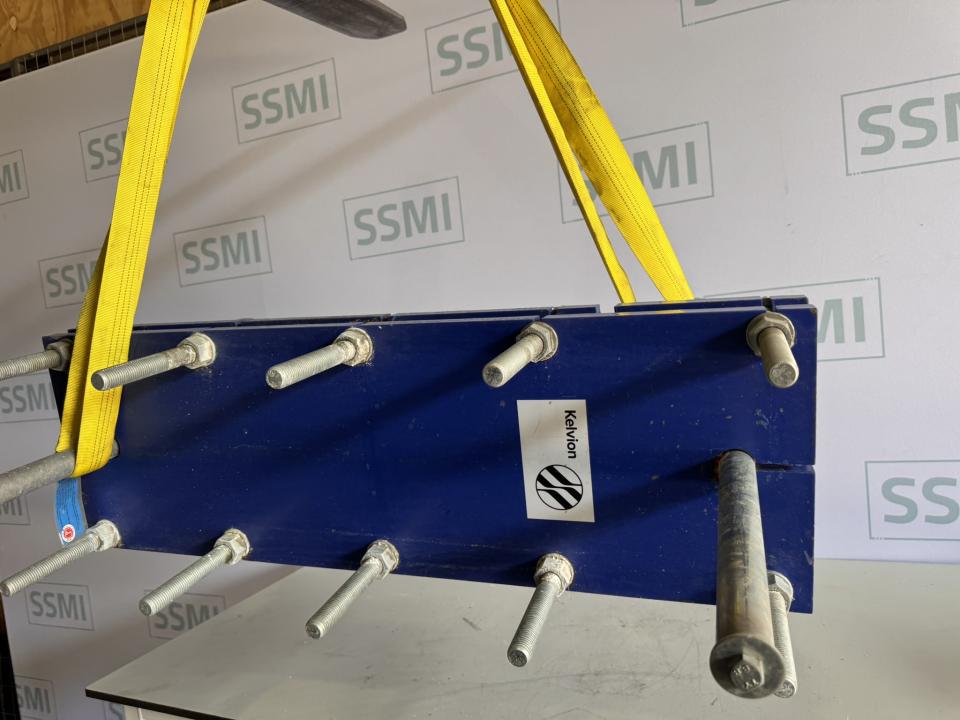
Plate heat exchanger
SKU: SSMIBRI1-00004399
PCB production equipment can be highly specialised, sensitive and valuable. When a facility closes, production moves or capacity is reduced, careful handling matters from the first machine disconnected to the last asset leaving the site.
SSMI manages PCB manufacturing decommissioning and equipment relocation projects from asset inventory and planning through dismantling, specialist packing, transport and site handover. Equipment with further production value can be redeployed within your organisation or brought back to the market.
Our experience includes PCB manufacturing sites where machinery was dismantled across multiple facilities, prepared for international transport and shipped to new end users around the world.
A PCB production facility brings together very different technologies. Depending on the process, equipment can include CNC drilling and routing machines, laser systems, imaging equipment, wet-process lines, plating systems, etching equipment, inspection systems and supporting machinery.
That mix makes asset identification important. A machine may have dedicated controls, pumps, extraction, filtration, cooling or handling equipment around it. Other infrastructure may serve several production areas.
Before dismantling starts, SSMI establishes what belongs to the project, how equipment is connected and where each asset is going.
A PCB decommissioning project can involve a complete manufacturing facility, selected production areas or individual process lines.
SSMI brings the activities within the agreed scope under one project structure. We establish the asset inventory, prepare the project and HSE plan, coordinate dismantling and removal, arrange specialist packing and transport, and manage the different destinations of surplus machinery.
Equipment intended for internal reuse is separated from machinery being sold or otherwise disposed of. That decision is made early, because the next destination affects how an asset should be handled.
Asset inventory and project scope
We start on the factory floor. Machines and production systems are identified and linked to their intended destination. Available drawings, equipment records and other technical information can be incorporated into the asset inventory.
We also establish access conditions, site requirements, equipment intended for internal redeployment and the required project timeline. This gives the teams involved a clear basis before physical dismantling begins.
PCB equipment dismantling
Equipment intended for reuse needs a different approach from machinery that has reached the end of its working life. Machine configuration, sensitive components, controls and dedicated auxiliary equipment are identified before removal. The dismantling sequence can then be planned around the equipment, available access and its next destination.
This is particularly relevant for high-value and precision machinery where correct identification and careful handling support successful relocation or resale.
Complete production area dismantling
Closing an entire production area adds another layer.Equipment may share electrical supplies, process water, extraction, compressed air, cooling, chemical supply and waste-treatment infrastructure. Some systems belong to one machine. Others continue serving equipment elsewhere in the facility.
These boundaries need to be clear before connections are removed. SSMI incorporates them into the project planning and agreed dismantling scope.
Equipment relocation and redeployment
Machinery that becomes surplus at one PCB facility may still have a useful role at another production site.
SSMI can coordinate dismantling, packing and transport to the receiving facility. Where equipment is moving between production locations, the requirements of the destination can be considered before the machinery leaves its original position.
Keeping machine identity, associated components and available documentation together makes the transfer more manageable.
Specialist packing and international transport
Sensitive equipment needs packing that reflects the asset. A CNC drilling machine presents different requirements from an imaging system or a long wet-process line. Dimensions, weight, sensitive components, lifting requirements and transport destination all influence the approach.
Our project scope can include specialist packing, export preparation, international transport and overseas shipping.
Surplus PCB equipment sales
Not every machine has an internal destination. Suitable PCB manufacturing equipment can be brought back to the market through direct sale or auction. Machinery can be documented and prepared for collection or international shipment once a new owner has been identified.
This creates another route for valuable equipment before recycling is considered.
Understanding the production equipment before it is disconnected
The name on the machine is only part of the information needed for a successful relocation.
Before dismantling, it should be clear which controls and auxiliaries belong to the asset, which services it uses and which components need to travel with it.
A wet-process system, for example, can involve pumps, tanks, filtration, dosing, exhaust and controls. A drilling or laser system has a very different technical boundary. Inspection and imaging equipment bring their own requirements.
Understanding those relationships before equipment is separated helps preserve the asset as a recognisable production system.
Keeping machines, controls and auxiliaries together
A machine becoming surplus does not mean it should immediately be broken down into unrelated components. Controls, chillers, pumps, loaders, unloaders and other dedicated auxiliaries can form part of the usable asset. Removing that context can make later identification, transport and installation more difficult.
SSMI establishes these relationships during project preparation. Where components belong together and share the same destination, they can be identified and handled as one asset group. Where infrastructure is shared with remaining production, that distinction is recorded before dismantling.
Handling sensitive PCB production equipment
PCB manufacturing can involve precision machinery that requires controlled handling during removal and transport.
The approach depends on the individual asset. Sensitive parts may require additional protection. Equipment may need project-specific packing, while machine sections and accessories need to remain clearly identifiable throughout the move.
Our teams work with the next destination in mind.
That can be another production facility, an international buyer, an auction purchaser or a warehouse awaiting resale.
Equipment status and process conditions before dismantling
The physical machine is not the only consideration.
PCB production can involve wet chemical processes, process water, extraction systems and other site-specific production conditions. Before equipment within the agreed scope is dismantled, its status and relevant release requirements need to be established.
This can include previous process use, remaining process materials, cleaning status, connected services and whether the equipment has been released for dismantling.
Responsibilities for cleaning, decontamination and release are defined within the individual project. We do not assume equipment is ready for removal simply because production has stopped.
Working around remaining PCB production
Downscaling can take place while other production areas remain active. In that situation, shared utilities and infrastructure become particularly important. Removing equipment from one process area should not unintentionally disconnect systems required elsewhere.
Electrical supply, process water, cooling, compressed air, extraction, material handling and other shared systems can therefore be identified during project planning. The dismantling sequence is then developed around the agreed site conditions, HSE requirements and remaining operations.
SSMI brings suitable equipment released through PCB and other industrial projects back to the market. Availability changes as projects progress. Depending on current inventory, this can range from individual machines to connected process equipment and complete production lines.
CNC drilling and routing equipment
CNC drilling and routing machines are precision assets used for mechanical processing of printed circuit boards. For used machinery, relevant information can include manufacturer, model, year, number of spindles or stations, working area, spindle information, controls, included handling equipment, operating status and available documentation.
Laser processing equipment
Laser systems can be used for drilling and other precision PCB manufacturing processes. The exact machine specification matters. Where available, listings can include laser technology, working area, application, controls, included auxiliaries and information about the previous production environment.
Imaging equipment
PCB manufacturing can use direct imaging and other imaging systems at different stages of production. For resale and relocation, machine configuration, working dimensions, controls, handling equipment and available technical documentation can be particularly relevant.
Wet-process equipment
Wet-process systems can include several connected stages and supporting systems. Rather than treating the main line as an isolated machine, we establish which pumps, tanks, filtration, controls and other dedicated components belong to the system where this information is available.
Plating equipment
PCB production can use vertical and horizontal plating systems and associated process equipment. When plating equipment becomes surplus, the configuration of the line and its supporting components needs to be understood before dismantling. Available technical and process information can then accompany the equipment into its next stage.
Etching and surface-treatment equipment
Etching, cleaning, surface preparation and other wet-process equipment may become available as individual systems or as part of a wider facility closure. Previous application, configuration, materials of construction, working dimensions and included auxiliary systems can help potential buyers assess the asset.
Inspection and testing equipment
PCB facilities can contain optical, X-ray and other inspection or testing systems. These machines can be sensitive to handling and transport. Where available, technical specifications, machine configuration, accessories and documentation remain associated with the individual asset.
Material handling and auxiliary equipment
Production lines can also include loaders, unloaders, conveyors, cooling systems, pumps, filtration equipment and other auxiliaries. Where these components are dedicated to a particular machine or line, maintaining that relationship can support future reuse.
Complete PCB production lines
Some projects release larger connected systems or several production stages at the same time. Where practical, SSMI preserves the relationship between the main equipment, controls and dedicated auxiliaries during dismantling and asset preparation. This gives potential buyers a clearer understanding of what is actually included.
Used PCB equipment needs more than a manufacturer and model number. The relevant information depends on the machine. A CNC drilling system requires different specifications from a plating line, laser system or inspection machine.
Where available, SSMI equipment listings can include manufacturer, model, year, serial number, process or previous application, capacity or working dimensions, control system, included auxiliaries, operating status, available documentation, location, availability and dismantling status.
For equipment released through a project, we can also identify which components are included with the main asset where this has been established. We provide the information available for the machine. Suitability for a new production process or installation remains specific to the buyer's requirements.
Our inventory changes as machinery is released through industrial projects. Explore PCB production equipment currently available from SSMI, with the available technical and application information for each asset.
A PCB facility closing does not mean its production machinery has reached the end of its working life. Where technically and commercially practical, equipment can be redeployed within the owner's organisation. Other assets can be sold directly or offered through auction to manufacturers elsewhere.
That approach has already enabled specialised PCB equipment from closed European production facilities to continue operating with new end users around the world. Recycling remains an option for equipment without a practical route to further industrial use.
Our project process creates a clear route from the initial asset review to site handover.
1. Project intake
We establish the asset inventory, project scope, site requirements, equipment destinations and timeline. Equipment intended for internal redeployment can be identified separately from machinery intended for sale, auction or recycling.
2. Project plan
The project scope is translated into the execution plan. This includes site requirements, HSE planning, access, dismantling sequence, remaining operations, receiving facilities, asset sales and transport requirements.
3. Disassembly
Our teams dismantle the machinery and other equipment included within the agreed scope. Equipment intended for relocation or resale is handled with its next destination in mind. Machine identity, associated components and available documentation are kept clear throughout the process.
4. Transport
Equipment is prepared for movement to its next location. Depending on the project, this can include specialist packing, internal movements, export preparation, international transport and overseas shipping. Several destinations can be coordinated within the same project where required.
5. Transfer
Once the agreed activities have been completed, the project requirements and results are reviewed before site responsibility is returned to the client.
SSMI and Gerritsen Group collaborated on the dismantling and global relocation of specialised PCB manufacturing equipment from multiple production sites across Germany. High-value and sensitive machinery was carefully dismantled, packed and prepared for international transport, enabling successful redeployment to new owners worldwide and extending the operational life of valuable production assets.
The exact scope depends on the facility. A project can include asset inventory, HSE and project planning, equipment dismantling, removal of agreed infrastructure, specialist packing, relocation, international transport, machinery sales, recycling and site handover.
The equipment and its connections are first identified. Controls, dedicated auxiliaries, utilities and other components can then be linked to the relevant machine or process line before the dismantling sequence is prepared.
Equipment intended for reuse is handled with its next destination in mind.
Potentially. Feasibility depends on the type of equipment, line configuration, condition, documentation, site access, transport requirements and the receiving facility.
These factors should be assessed before dismantling begins.
Useful information can include manufacturer, model, serial number, machine configuration, previous process or application, controls, dedicated auxiliaries, utility connections, available documentation, equipment status and intended destination.
Potentially. Shared utilities, access, HSE requirements and the needs of remaining production first need to be understood.
The project sequence can then be developed around the agreed operating conditions of the site.
The approach depends on the machine. Dimensions, weight, sensitive components, lifting requirements and destination can influence dismantling and packing.
Specialist packing and transport preparation can be developed around the individual asset.
Equipment can be assessed for internal redeployment, direct sale or auction. Machinery with further production value can then move to another facility or new owner.
Equipment without a practical route for reuse can be directed towards recycling within the agreed project scope.
The information depends on the machine type. Manufacturer, model, year, configuration, working dimensions or capacity, controls, previous application, included auxiliaries, operating status, available documentation, location and availability can all be relevant.
SSMI brings suitable industrial machinery released through decommissioning and asset projects back to the market. PCB production equipment can therefore become available as individual machines, connected systems or larger groups of assets.
Current availability depends on active and completed projects.
Yes, where the equipment and project conditions allow it. The Gerritsen Group has carried out multiple projects in which PCB manufacturing machinery sold through international auctions was dismantled, packed and shipped from European facilities to buyers worldwide.
A successful project starts before the first machine is disconnected. You need to know what is moving, what belongs together, which infrastructure is shared, where each asset is going and how equipment should be prepared for its next destination.
SSMI brings those activities together under one project structure, from asset inventory and planning through dismantling, packing and transport to machinery sales and site handover.