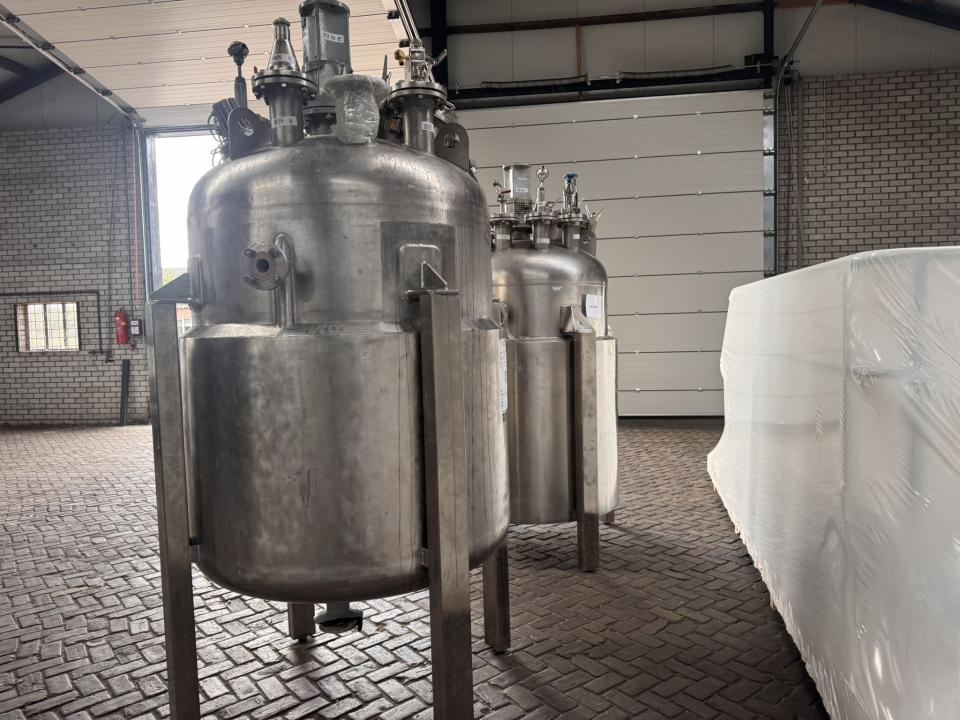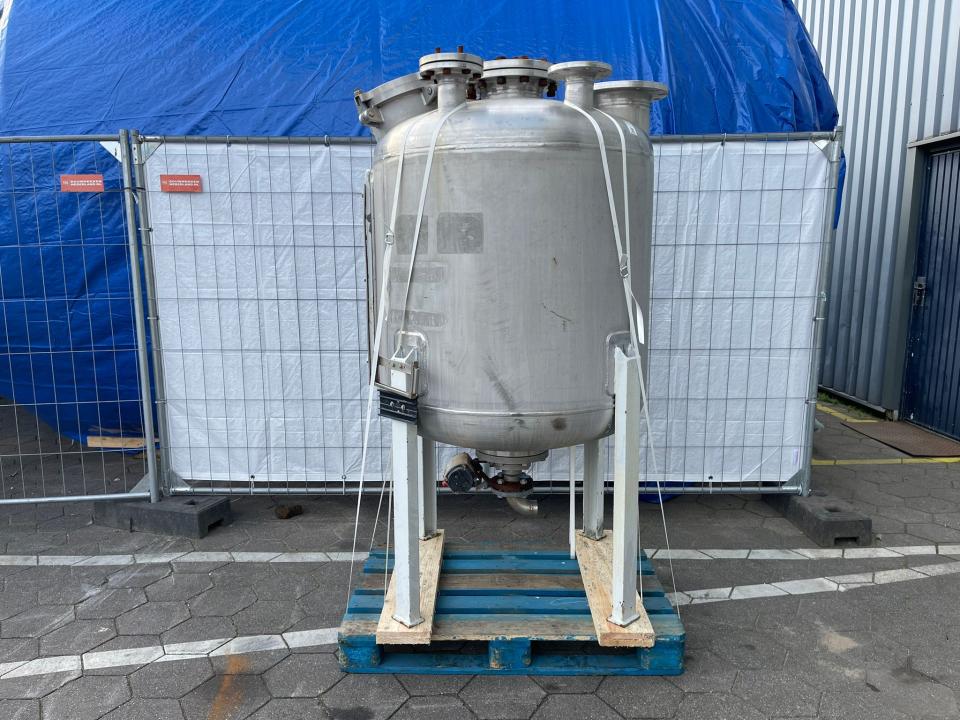
Filter press - feed pump
SKU: SSMIBRI1-00002666
Changes in production, site consolidation or plant closure can leave complete production areas and valuable process equipment surplus to requirements. Removing those assets from a chemical production environment requires careful planning, technical knowledge and clear control of the project.
SSMI manages specialty chemical decommissioning projects from asset inventory and project planning through dismantling, transport and site handover. Equipment with further industrial value can be redeployed within your organisation or brought back to the market.
One project. One clear scope. One team taking responsibility for the work.
Specialty chemical production can bring reactors, vessels, mixing systems, separation equipment, filters, dryers, heat exchangers, pumps and storage systems together within one process.
Removing equipment from that environment is rarely an isolated task. Piping, utilities, electrical systems and surrounding production all need to be considered. The previous application and condition of the equipment can also affect how an asset should be handled and what can happen to it next. We start by understanding that complete picture.
Together with your team, we define the equipment within scope, site requirements, project boundaries and intended destination of each asset. Machinery being relocated or sold is identified separately from equipment intended for recycling. This gives everyone involved a clear basis for execution before dismantling starts.
Before equipment moves, we establish what is there and what needs to happen to it.
During project intake, we identify the assets within scope, site and civil requirements, equipment intended for internal redeployment and the required timeline. We also determine which assets may be suitable for sale and which equipment has reached the end of its useful life.
This information forms the basis of the project plan and subsequent asset strategy.
Process equipment is dismantled according to the agreed scope and site requirements.
The next destination matters. A reactor that will be installed at another facility needs to be approached differently from equipment being dismantled for recycling. Identification, handling and protection during removal can all affect the value and usability of the asset afterwards.
Where agreed, our scope can also include connected mechanical and electrical infrastructure and other surplus assets.
Equipment that is no longer required at one facility may still be useful at another.
SSMI can coordinate the dismantling and relocation of process equipment intended for another production site within your organisation. Receiving plant requirements are considered during project planning so that dismantling, packaging, export and transport can be coordinated as one process.
Equipment without an internal destination can still represent considerable value.
SSMI works to bring suitable surplus equipment back to the market through direct sales or auction. The route depends on the asset, available technical information and market demand.
Recycling remains the final option where further industrial use is no longer practical.
Before dismantling begins, the status of the equipment needs to be clear. What substances were previously processed? Has the equipment been released for dismantling? What is its cleaning or decontamination status? Which piping, utilities or electrical systems remain connected? Is there stored pressure or other residual energy? Which parts of the process need to remain operational? The answers affect how the work can proceed.
The intended destination is relevant too. Equipment being prepared for reuse may require different handling from equipment destined for recycling. Available technical documentation, identification and materials of construction can become important when an asset is being relocated or offered to another manufacturer. SSMI incorporates these factors into project planning and works within the agreed procedures and requirements of your site.
The value of a used process asset is determined by more than its size or age. Manufacturer, capacity, material of construction, design conditions, configuration, previous application and available documentation can all matter to a potential buyer. For reactors and vessels, details such as stainless steel grade, glass lining or specialist alloys can be particularly relevant.
That information can easily lose its connection to the asset during a poorly managed dismantling project. We therefore consider the future of reusable equipment before removal starts. Assets can be identified, documented and handled according to their intended destination, helping preserve useful information and commercial value.
SSMI brings suitable process equipment released through industrial decommissioning projects back to the market. Depending on current projects, available equipment can include reactors and process vessels, mixers and blenders, centrifuges, filters and filter dryers, drying equipment, distillation and evaporation equipment, heat exchangers, tanks, pumps and other process equipment. Complete process lines and production areas may also become available.
Buying used chemical process equipment starts with understanding what the asset actually is and where it came from. Where available, our equipment listings provide details such as manufacturer, model, year, serial number, capacity, material of construction, operating conditions, previous application, dimensions, documentation, location and availability.
The level of information differs per asset. We state what is known and available rather than filling in the gaps. This gives engineering and procurement teams a better basis for deciding whether an asset is worth further technical assessment.
Our inventory changes as new assets are released through decommissioning and asset disposal projects. Explore the process equipment currently available from SSMI and review the technical information provided for each asset.
SKU: SSMIBRI1-00004362
SKU: SSMIBRI1-00004376
SKU: SSMIBRI1-00004377
SKU: SSMIBRI1-00004379
SKU: SSMIBRI1-00004372
SKU: SSMIBRI1-00004351
SKU: SSMIKDP1-00003252
A machine becoming surplus does not necessarily mean the end of its working life. We first consider whether equipment can be reused. An asset may be redeployed within the owner's organisation, sold directly to another manufacturer or offered through auction. Recycling follows where continued industrial use is no longer practical.
This approach gives asset owners more options than treating every piece of surplus equipment as scrap. It can recover commercial value while keeping usable machinery in operation for longer.
Complex industrial work needs a clear structure. Our five-step process defines responsibilities and keeps the project moving from the first asset review through to final handover.
1. Project intake
We establish the asset inventory, project scope, site requirements, equipment intended for internal redeployment and the required timeline.
2. Project plan
The scope is translated into an executable plan. Site requirements and limitations are defined, the HSE plan is prepared and dismantling, receiving plant requirements and asset sales are coordinated.
3. Disassembly
Our team dismantles the equipment included in the agreed scope. Where required, this can also include electrical and mechanical infrastructure and other surplus assets. The area is prepared for the agreed handover condition.
4. Transport
Equipment is prepared for its next destination. Our scope can include specialised packaging, export services and specialised transport for assets being relocated or sold.
5. Transfer
Once the agreed work has been completed, the project results and contractual requirements are reviewed. Site responsibility is then returned to the client.
A real project says more than a general claim about experience. Our project cases show how we approach industrial downscaling in practice, including the equipment involved, site conditions, project scope, execution and destination of surplus assets. Where a project is confidential, client or commercially sensitive information can remain undisclosed.
SSMI successfully completed the decommissioning of a fine chemicals/CDMO production and laboratory facility in Aachen, Germany. The project included the safe dismantling and removal of high-pressure mixers, glass-lined reactors, laboratory equipment and utilities, with approximately 180 tonnes of assets prepared for relocation and reuse. The complete project was executed within 12 weeks, leaving the facility as a clean, empty shell ready for future redevelopment.
Chemical plant decommissioning is the controlled process of taking production equipment, process areas or complete facilities out of operation and preparing the assets and site for their next purpose. Depending on the project, this can include asset inventory, planning, dismantling, relocation, transport, asset sales, recycling and site handover.
The equipment status and site conditions need to be established before work begins. Relevant factors can include previous substances processed, cleaning or decontamination status, connected utilities and piping, residual energy, site procedures, HSE requirements, project boundaries and the intended destination of the equipment.
Responsibilities should be clearly agreed before the project starts. The facility owner or operator holds the process and product knowledge needed to establish the equipment status and applicable site procedures. SSMI plans and executes its work within the agreed project scope and site requirements.
Potentially, yes. Suitability depends on the asset, its condition, previous application, materials of construction, available documentation and the requirements of its future use. These factors should be assessed before an asset is redeployed or purchased.
Material of construction can determine whether equipment is suitable for a particular chemical process. It can also affect commercial value. Stainless steel grade, glass lining and specialist alloys are therefore important information when assessing used reactors, vessels and other process equipment.
Potentially. This depends on the plant layout, equipment interfaces, utilities, site access and safety requirements. Where production needs to continue, these conditions are assessed during project planning and incorporated into the execution plan.
Depending on the asset and its future potential, equipment can be redeployed within the owner's organisation, sold directly, offered through auction or recycled. SSMI considers these routes as part of the wider asset strategy.
International relocation can form part of our project scope. SSMI can coordinate dismantling, specialised packaging, export services and transport for equipment moving to another facility or buyer.
The earlier the equipment, site requirements and intended asset destinations are understood, the better the project can be controlled. SSMI can assess your project scope and develop a practical plan for dismantling, relocation, transport and surplus equipment sales. One project team coordinates the process from initial intake through to site handover.