Skip to content

Contact us via , via , or via

  • There are no suggestions because the search field is empty.

Industrial decommissioning is a complex process. It involves far more than disconnecting machinery and removing it from a production facility.

Whether an organisation is closing an entire manufacturing site, reducing production capacity or removing an individual production line, multiple technical, operational, commercial and safety considerations need to be managed simultaneously.

Machinery must be assessed. Utilities need to be identified and safely disconnected. Site requirements must be understood. Health, safety and environmental requirements need to be incorporated into the project plan. Equipment may need to be relocated, sold or prepared for reuse. Buildings may need to be restored to an agreed condition.

When these responsibilities are fragmented across multiple contractors, project complexity can increase rapidly. A structured industrial decommissioning strategy creates clarity from the beginning and helps organisations maintain control over costs, timelines, safety and asset value. This guide explains the main stages of industrial decommissioning and the areas that facility owners and operators should consider before execution begins.

production-line-decommissioning-cut
dismantling-3-large
dismantling-large

What is industrial decommissioning?

Industrial decommissioning is the controlled process of taking production equipment, production lines or complete industrial facilities out of operation and preparing the relevant assets and site for their next purpose. Depending on the project, this can include:

  • Asset inventory
  • Technical project planning
  • HSE planning
  • Utility disconnection
  • Mechanical and electrical dismantling
  • Removal of ductwork and other surplus installations
  • Machinery packaging
  • Specialised transport
  • Internal machinery redeployment
  • Sale of surplus equipment
  • Recycling of assets that cannot be reused
  • Building restoration
  • Final site inspection and handover

Industrial decommissioning can range from removing a limited number of machines to dismantling complete production environments. The correct approach depends on the facility, industry, equipment, project timeline, site restrictions and future plans for the location and assets.

Why industrial decommissioning requires careful planning

A production facility is an interconnected environment. Machinery may be connected to electrical systems, compressed air, steam, process water, ventilation, piping, foundations, structural steelwork or other production systems.

Other production lines may remain operational while the decommissioning work takes place. This means that a dismantling decision can affect far more than the individual machine being removed. Poor preparation can create avoidable challenges such as:

  • Production disruption
  • Additional project costs
  • Safety risks
  • Transport delays
  • Damage to machinery
  • Unclear responsibilities
  • Reduced asset value
  • Delays in site handover
  • Unnecessary waste

For this reason, effective industrial decommissioning starts with understanding the complete project scope.

dismantling-2-large
loading-large
transport-2-large
step1-intake

Step 1: Project intake

The first stage is establishing exactly what needs to happen. A project intake should create a clear picture of the assets, facility, scope and required timeline. One of the first activities is normally an asset inventory. This identifies which machines and installations are involved in the project and what should happen to each asset.

Some machinery may remain on site. Some may be redeployed to another facility within the organisation. Other equipment may become available for external sale. The intake phase should also clarify the required final condition of the facility. Questions to consider include:

  • Which machines and installations are included?
  • Which equipment must remain operational?
  • Are assets being redeployed internally?
  • Which equipment may be sold?
  • What building restoration is required?
  • What is the required completion date?
  • Are there civil or structural requirements?
  • What limitations exist within the facility?

Creating this overview early reduces uncertainty during later stages of the project.

Step 2: Develop the project plan

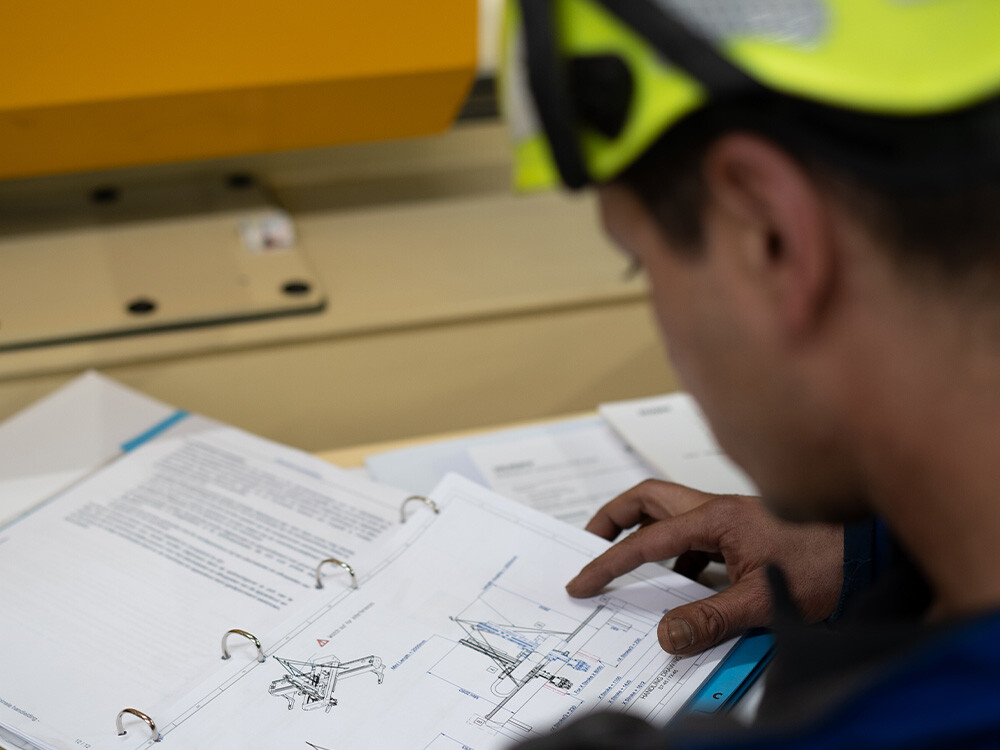
Once the scope is understood, the decommissioning strategy can be translated into a practical project plan. This stage should consider both the machinery and the environment in which the work will take place. Important areas include:

Site requirements

Every industrial facility has its own operational rules, infrastructure and access requirements.

These may affect lifting equipment, transport routes, working hours, temporary storage areas and the sequence in which machinery can be removed.

Site limitations

Restricted access, ceiling heights, floor loading, doors, structural elements and ongoing production can all influence the dismantling method.

These restrictions should be assessed before work starts rather than discovered during execution.

HSE planning

Health, safety and environmental requirements should be incorporated into the project from the beginning.

The HSE plan needs to reflect the requirements of the facility, the activities being performed and the applicable project procedures.

Timeline

The project schedule should consider more than the dismantling itself.

Packaging, transport, receiving locations, internal redeployment and asset sales can all affect timing.

If equipment is moving to another production site, the readiness of the receiving plant also needs to be considered.

Asset sales planning

Surplus machinery should be evaluated before it is treated simply as material that needs to be removed.

Planning the future destination of equipment early can help protect commercial value and create more opportunities for reuse.

Step 3: Safe and controlled disassembly

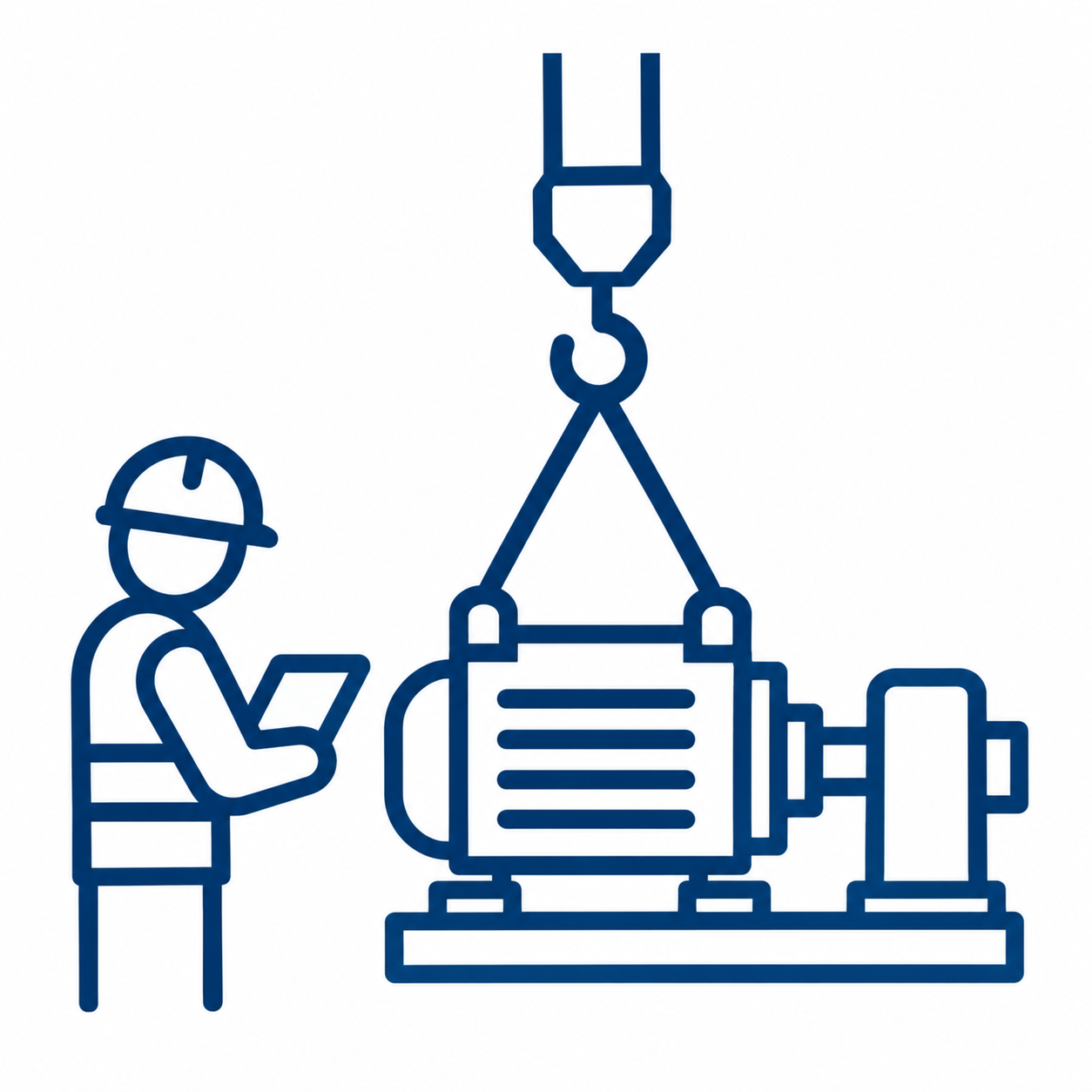
Once planning is complete, physical dismantling can begin. This stage can include the removal of production machinery and, depending on the agreed scope, electrical systems, mechanical ductwork, laboratory equipment and other surplus assets. A controlled dismantling sequence is essential. Machinery needs to be disconnected and removed in a way that considers:

  • Personnel safety
  • Remaining production activities
  • Surrounding equipment
  • Building structures
  • Machinery condition
  • Future reuse
  • Packaging requirements
  • Removal routes

Where machinery is intended for redeployment or resale, preservation of the asset becomes particularly important. The objective is not simply to get the equipment out of the building. It is to remove it in a condition appropriate for its intended next use.

step3-disassembly
step4-transport

Step 4: Packaging and transport

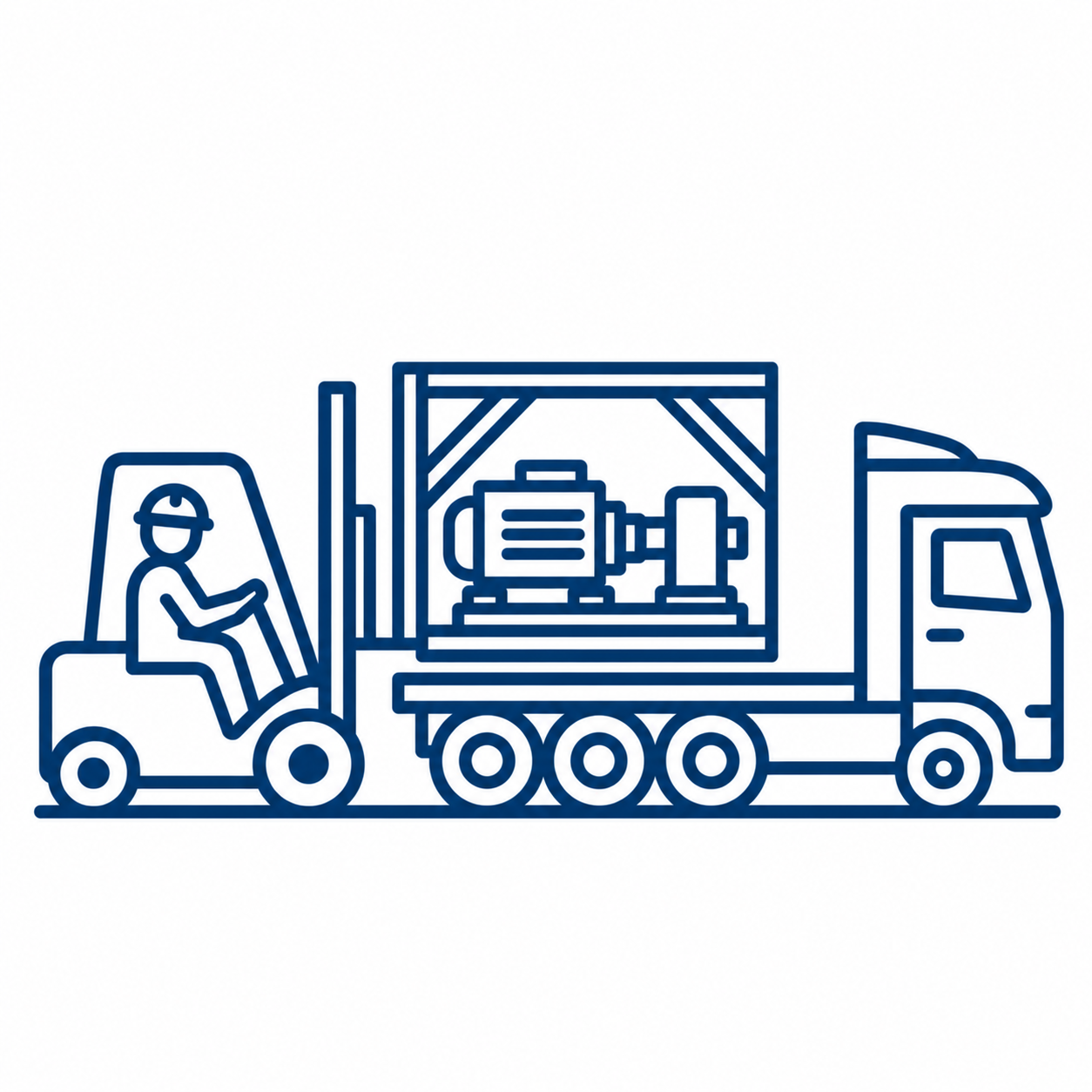
Industrial machinery often requires specialised handling. The transport phase can involve:

  • Dedicated machinery packaging
  • Export documentation
  • Specialised lifting
  • Heavy or abnormal transport
  • International logistics
  • Coordination with receiving plants
  • Transfer pricing documentation for internally redeployed equipment

Transport requirements should therefore be considered during the planning phase. Waiting until machinery is already dismantled before resolving transport restrictions can create unnecessary delays and additional handling.

Step 5: Asset recovery and machinery repurposing

One of the most important opportunities during industrial decommissioning is determining whether surplus assets can continue their productive life elsewhere. A machine that is no longer required by one facility may still hold significant operational value for another organisation. Depending on the equipment and circumstances, surplus assets may be:

Redeployed internally

Equipment can sometimes be transferred to another production site within the same organisation.

This may avoid the need for new capital investment and extend the economic lifespan of the machine.

Recycled

When reuse is no longer technically or commercially viable, recycling may be the appropriate final route. A well-designed asset strategy does not automatically treat decommissioned equipment as waste.

It considers the best available route for each asset. This helps organisations recover value while supporting a more circular industrial economy.

Sold directly

Machinery with external market demand can be offered directly to relevant buyers.

Offered through alternative sales channels

Where appropriate, additional sales channels can be used to find buyers and complete the asset disposal process efficiently.

Why asset recovery should start before dismantling

The future destination of machinery can influence the way in which it should be dismantled, documented, packaged and transported. For example, machinery intended for operational reuse may require different handling than equipment intended for recycling. Early asset classification therefore helps project teams make better decisions during execution. It can also create more time to identify potential internal users or external buyers. Asset recovery is most effective when it forms part of the initial decommissioning strategy rather than being considered after equipment has already been removed.

step6-site-clean

Step 6: Restore the site

Depending on the agreed scope, decommissioning may also require the building or production area to be returned to a defined standard. This can involve removing:

  • Surplus ductwork
  • Electrical installations
  • Piping
  • Laboratory equipment
  • Supporting structures
  • Remaining materials

The required condition should be clearly agreed during project intake. Terms such as "empty", "cleared" or "ready for handover" can mean different things to different organisations. Defining the required result early helps prevent uncertainty at the end of the project.

Step 7: Final transfer and handover

The final stage is confirming that the agreed scope has been completed. Results and contractual requirements should be evaluated before responsibility for the relevant area or site is transferred back to the client. A structured handover creates a clear conclusion to the project and ensures outstanding actions are identified before project closure.

agree-final-site

The importance of HSE during industrial decommissioning

Decommissioning work takes place in environments that were originally designed for production, not necessarily for machinery removal. Changing operating conditions can introduce additional risks. The project may involve lifting activities, electrical work, machinery movement, working at height, confined areas, hazardous materials or interaction with ongoing operations.

HSE should therefore not be treated as a separate administrative requirement. It needs to be integrated into project planning and execution.The exact requirements will vary between industries, countries and individual facilities. A project-specific approach is therefore essential.

Minimising disruption to ongoing operations

Not every decommissioning project involves a complete site closure. A facility may be removing one production line while neighbouring lines remain operational. In these circumstances, project planning becomes particularly important.

Activities may need to be sequenced around production schedules. Access routes may need to remain available. Utilities serving active machinery must be protected. Noise, dust and movement within the facility may need additional controls.

The decommissioning team should understand which activities cannot be interrupted and incorporate these restrictions into the project plan. This helps the facility continue focusing on its core operations while the decommissioning work progresses.

One project or multiple contractors?

Industrial decommissioning often involves several specialist disciplines. Traditionally, organisations may appoint separate companies for dismantling, transport, equipment sales, recycling and other activities. While specialist contractors can perform individual tasks effectively, the client then needs to manage the interfaces between them. This can create questions such as:

Who owns the overall timeline?
Who coordinates machinery removal with transport?
Who ensures dismantling supports resale requirements?
Who manages changes in scope?
Who remains responsible for the final result?

An integrated project structure creates a clearer point of responsibility and can reduce the coordination burden on the facility owner.

planning-large

When should you start planning industrial decommissioning?

Ideally, planning should start as soon as the decision to close, relocate or reduce production capacity becomes sufficiently clear. Early preparation creates more time to:

  • Complete an accurate asset inventory
  • Identify internal redeployment opportunities
  • Evaluate machinery marketability
  • Assess site limitations
  • Develop the HSE approach
  • Prepare receiving facilities
  • Organise specialised transport
  • Coordinate work with ongoing production
  • Establish realistic timelines

Starting early does not necessarily mean physical work needs to begin immediately. It means the organisation has more information and more options before execution starts.

Industrial decommissioning as part of the circular economy

Industrial decommissioning represents an important opportunity for circularity. Manufacturing equipment often has a considerably longer technical lifespan than the production process or facility in which it was originally installed.

When appropriate machinery can be redeployed or sold, its useful life can continue. This reduces unnecessary waste while giving another manufacturer access to productive industrial assets.

Effective decommissioning therefore creates both an operational and a sustainability opportunity. The objective is not only to remove what is no longer required. It is to identify what can still create value.

Choosing an industrial decommissioning partner

A decommissioning partner should be able to understand the complete project rather than focusing solely on physical dismantling. Important areas to evaluate include:

  • Technical expertise
  • Project ownership
  • HSE approach
  • Experience with industrial environments
  • Ability to work around ongoing operations
  • Machinery handling capabilities
  • Packaging and transport knowledge
  • Asset recovery capabilities
  • Transparency
  • Communication
  • Ability to manage changing project requirements

For complex projects, clarity of responsibility is particularly important. The facility owner should understand who is accountable for each stage and who maintains oversight of the overall result.

ssmi-op-locatie

How SSMI approaches industrial decommissioning

SSMI supports industrial organisations with the decommissioning and repurposing of process machines, production lines and complete manufacturing facilities. Our approach brings the principal stages of a decommissioning project together under one project structure. We start with the assets, project scope and facility requirements.

From there, we develop the project plan, integrate HSE requirements, manage dismantling, coordinate packaging and transport, evaluate machinery redeployment and sales opportunities, and work towards the agreed site handover. The objective is straightforward: reduce complexity for the client while executing the project safely, efficiently and with consideration for the remaining value of industrial assets.

denis-timofeev

Denis Timofeev

Lead Commercial Engineer

andrej-pieterson

Andrej Pieterson

Managing Director

Planning an industrial decommissioning project?

The earlier the scope, assets and site requirements are understood, the more effectively the project can be planned. If your organisation is considering a production line decommissioning, facility closure, plant relocation or capacity reduction, SSMI can review the initial project requirements with you.

Discuss your industrial decommissioning project with SSMI.

Curious about your project’s potential? 

Whether you're planning to decommission a production line, repurpose machinery, or scale down operations, our proven expertise ensures efficiency, sustainability, and unmatched value. Ready to achieve maximum value for your downscaling plans?