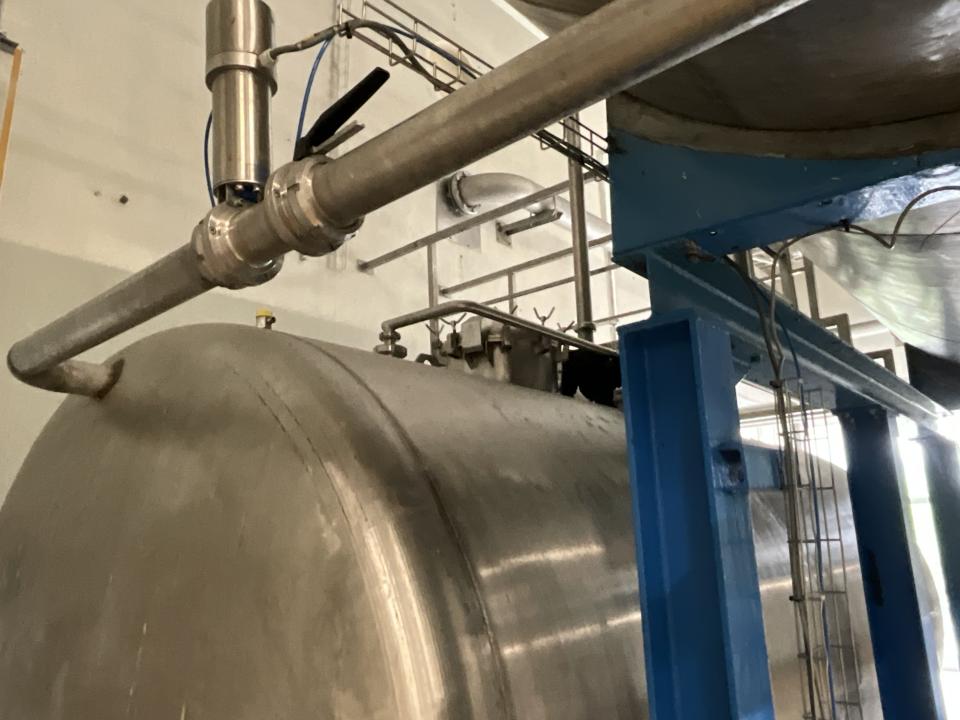
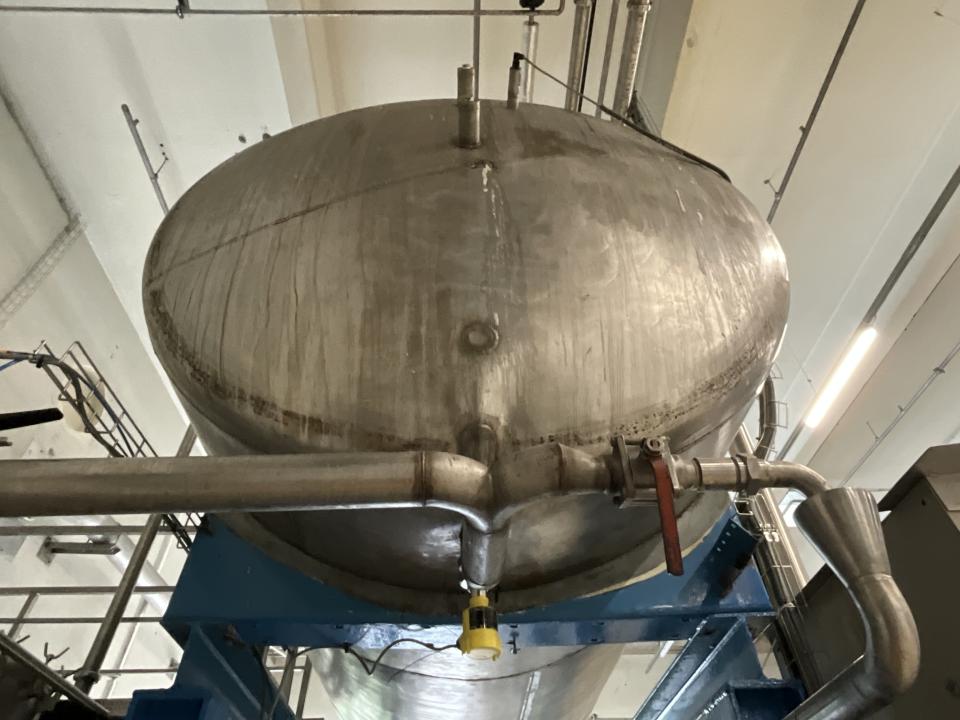
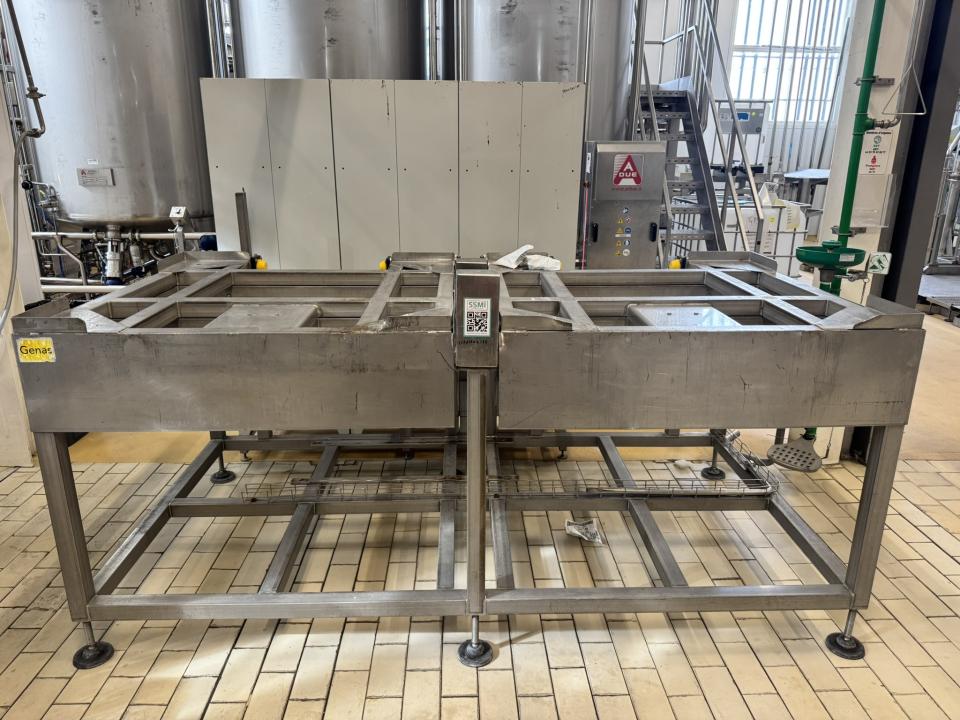
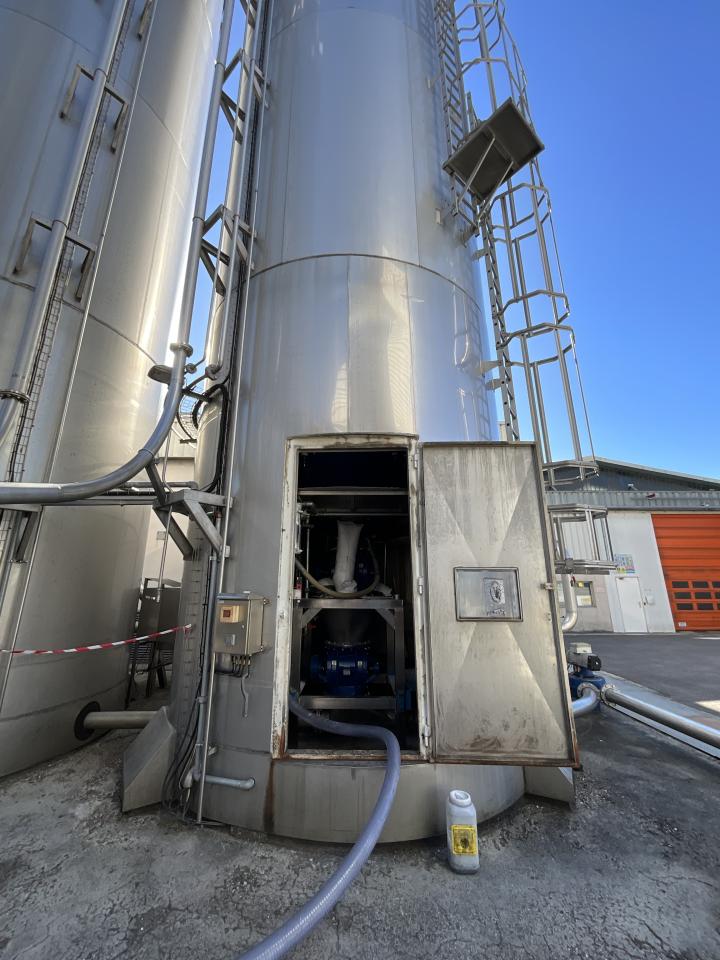
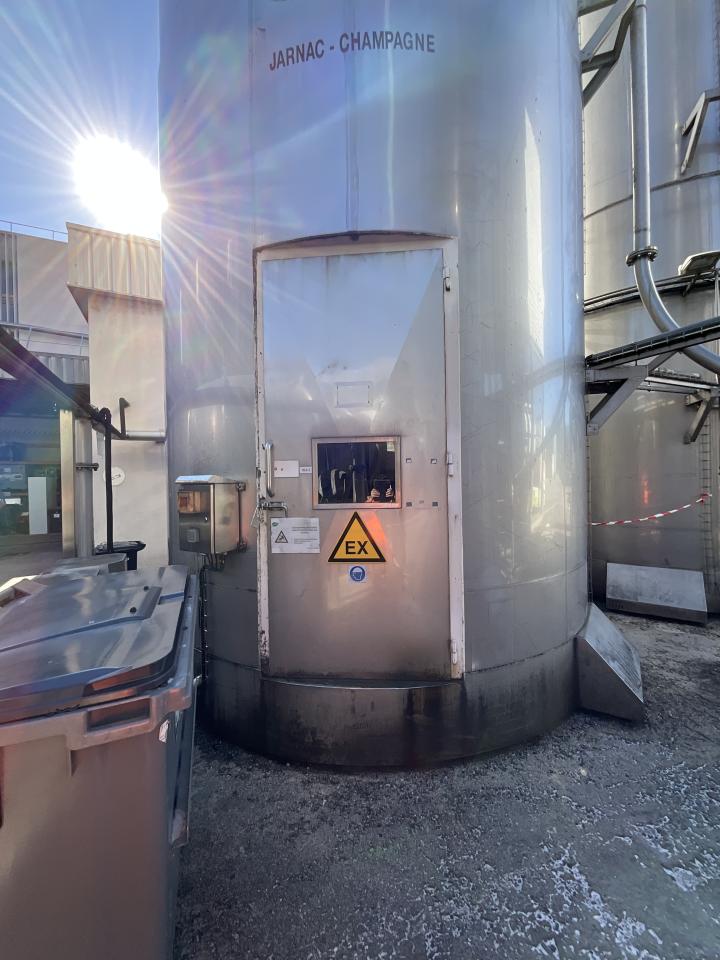
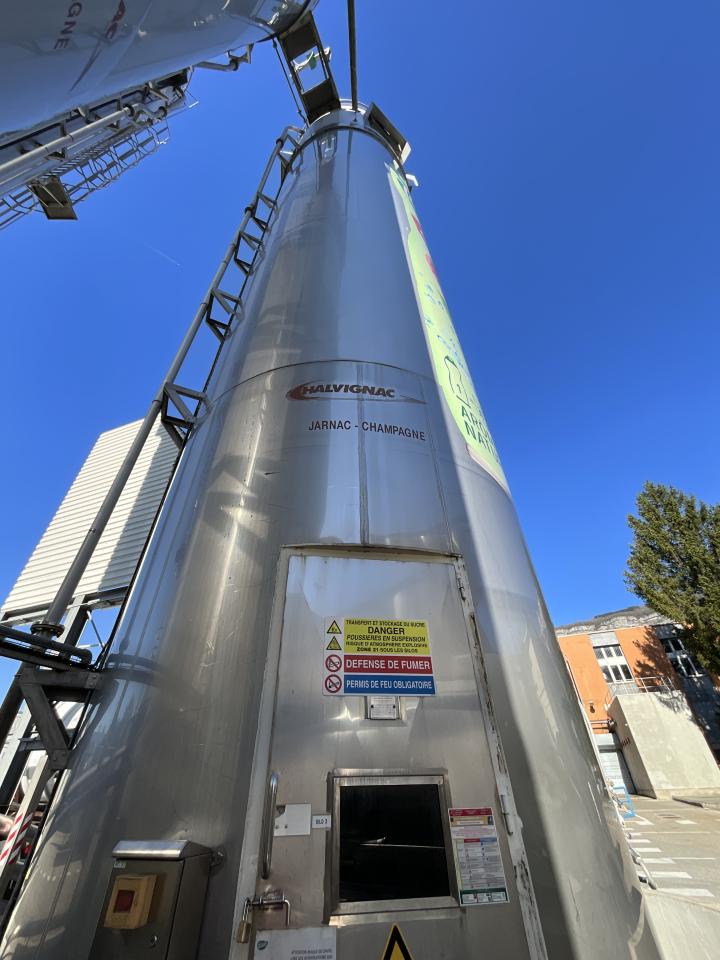
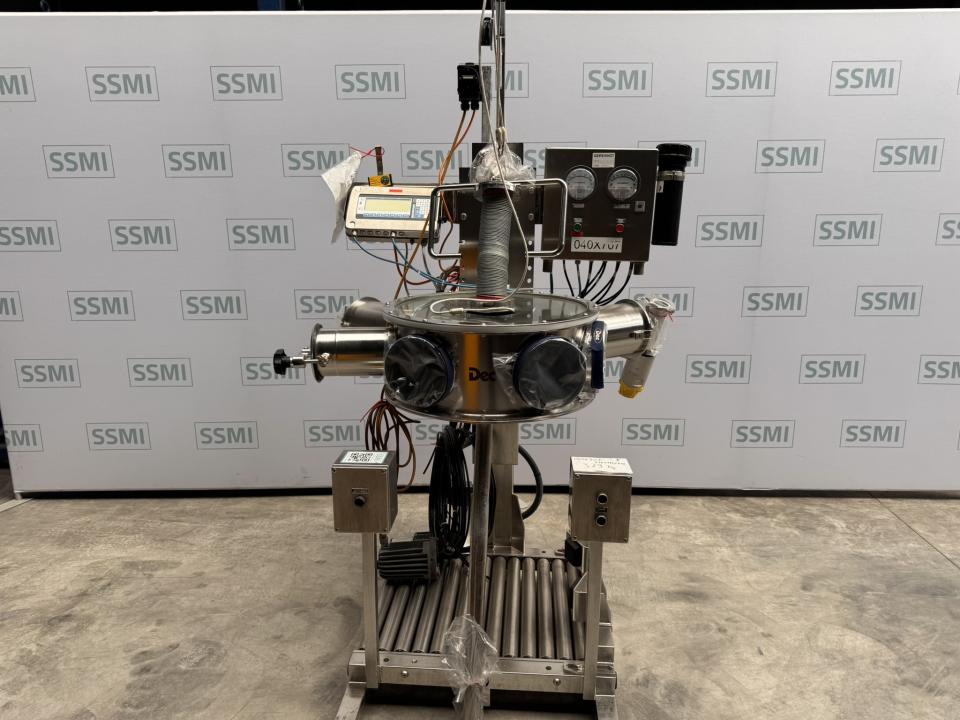
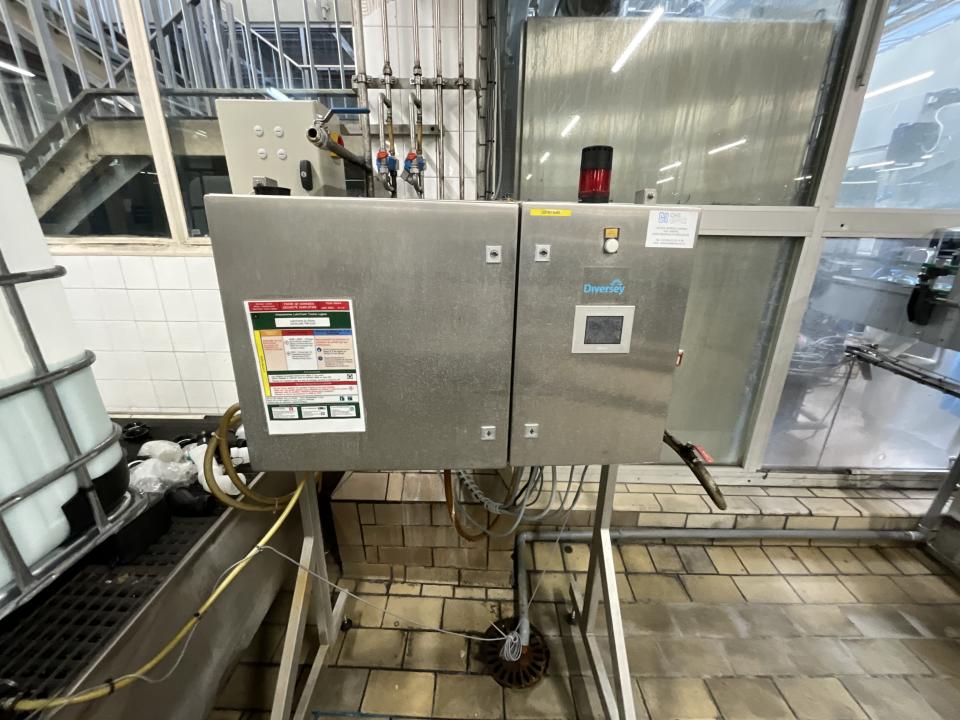
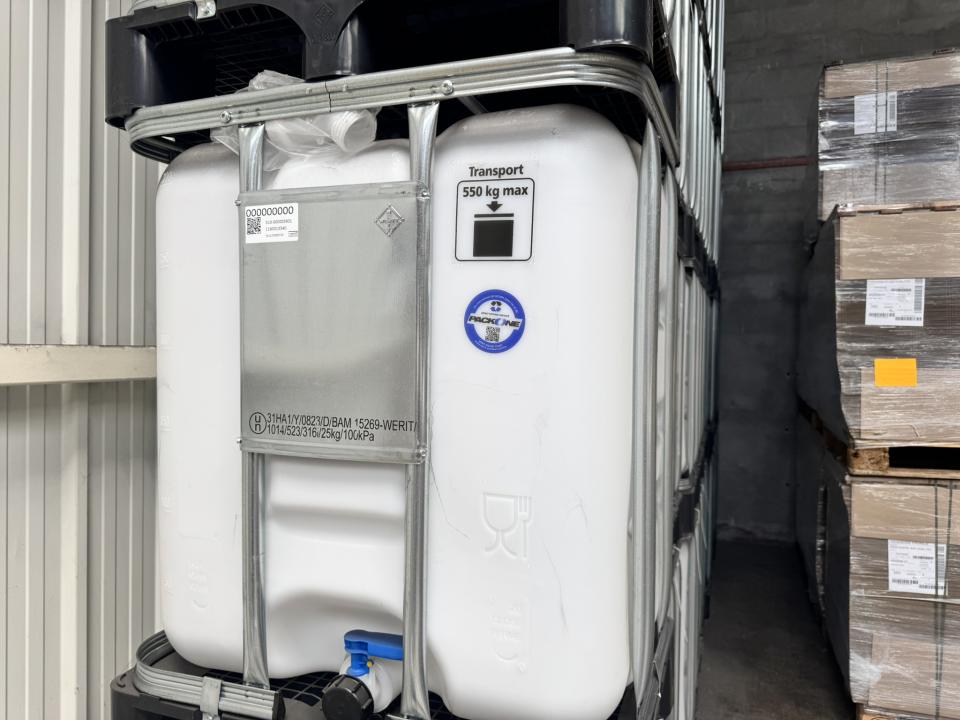
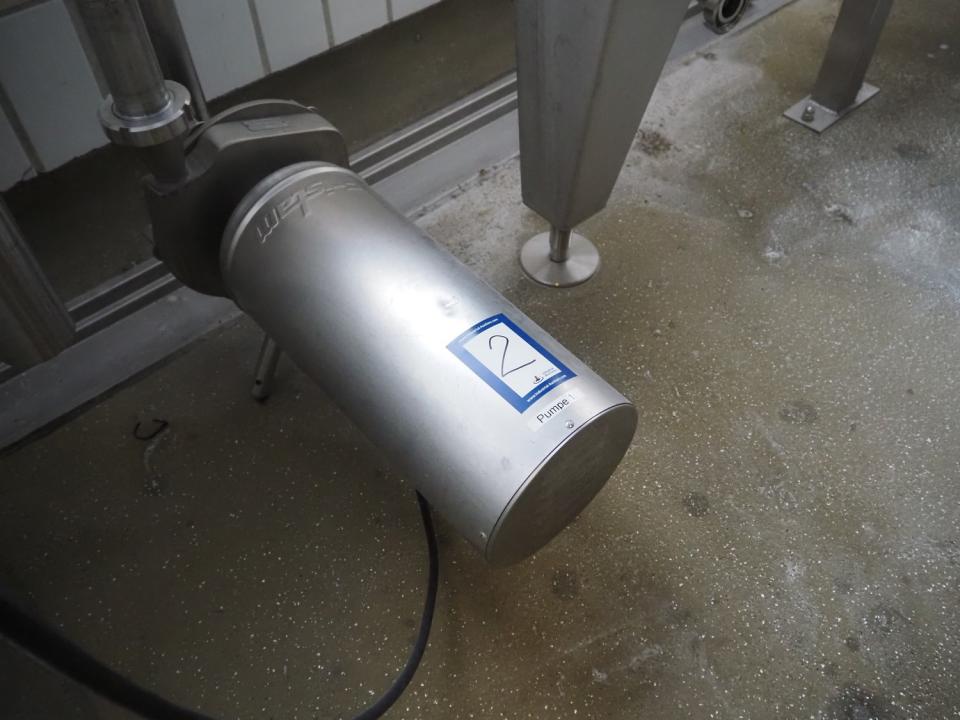
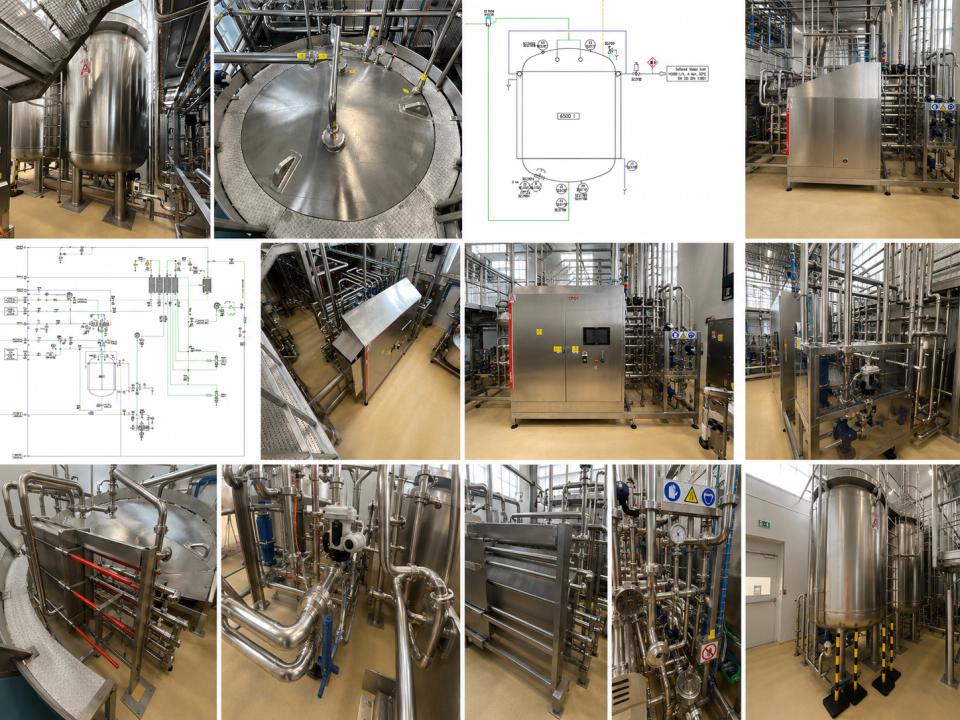
10000 Litre Stainless Steel Horizontal Syrup Storage Tank - S
SKU: SSMIBRI2-00003698
When production changes, a line moves or a facility closes, valuable processing equipment can become surplus. What happens next needs to be planned before dismantling starts.
SSMI manages food and beverage decommissioning projects from asset inventory and project planning through dismantling, relocation, transport and site handover. Equipment with further production value can be redeployed within your organisation or brought back to the market.
Our teams work with individual machines, complete processing lines and the infrastructure around them. We bring the work together under one project structure, with clear responsibilities from start to finish.
Food and beverage facilities bring processing equipment, utilities, product handling and packaging systems together within one production environment. The conditions can vary significantly between wet processing, dry production, liquid processing and filling or bottling operations. That affects how equipment should be removed.
Before work starts, we establish the project boundaries, equipment status and intended destination of the assets. Site-specific HSE and hygiene requirements are incorporated into the project plan, together with access, utilities, production interfaces and the required timeline. Where surrounding production remains operational, those conditions become part of the planning too.
A decommissioning project can involve selected processing equipment, a complete production line or larger areas of a facility. SSMI coordinates the work as one project. Depending on the scope, this can include asset inventory, project and HSE planning, equipment dismantling, removal of agreed electrical and mechanical infrastructure, specialised packaging, transport, export services, equipment sales and preparation of the area for handover.
Asset inventory and project scope
We start by establishing what is included and what needs to happen to each asset. Equipment intended for internal redeployment is identified separately from machinery being sold or recycled. We also define site requirements, project boundaries, receiving facilities and the required timeline. This gives the project team a clear basis for execution before equipment starts to move.
Processing equipment and production line dismantling
Food processing equipment rarely stands completely on its own. Process vessels, pumps, conveyors, filling equipment and other machines can be connected through piping, utilities, controls and cleaning systems. These interfaces need to be understood before dismantling begins. The intended destination matters as well. Equipment being relocated or sold needs to be handled with its next use in mind. Machinery being removed for recycling follows a different route.
Equipment relocation and redeployment
Equipment that is no longer required at one facility may still be useful elsewhere in your production network. SSMI can coordinate dismantling, specialised packaging, export services and transport for equipment being transferred to another site. Requirements from the receiving facility are considered during project planning so they can be incorporated before dismantling starts.
Surplus equipment sales
Equipment without an internal destination may still have considerable industrial value. SSMI brings suitable surplus food and beverage equipment back to the market through direct sales or auction. Available technical information and the previous application can help potential buyers assess whether an asset is relevant to their production needs. Recycling follows where continued industrial use is no longer practical.
The status of the equipment needs to be clear before work begins. What product was previously processed? Has the equipment been cleaned and released for dismantling? Is it product-contact equipment? Which utilities, piping or cleaning systems remain connected? Which parts of the production area stay operational. The answers affect how the project can proceed.
Equipment intended for reuse also needs attention before it is disconnected. Identification, technical documentation, included components and available information about its previous application can all be relevant when the asset moves to another facility or owner. SSMI incorporates these factors into project planning and works within the agreed procedures and requirements of the site.
Removing equipment from an operational food production facility brings additional constraints. Work areas may need to be separated from active production. Access for people, lifting equipment and removed machinery has to fit within site requirements. Dust, debris, timing and movement through controlled areas may also need to be considered. There is no single approach that fits every facility.
Where production continues during a project, SSMI works with the site team to incorporate the relevant hygiene, HSE and operational requirements into the execution plan. This allows the dismantling scope to be coordinated around the conditions of the facility rather than treated as a separate activity.
A process vessel, mixer or filling system intended for reuse needs a different approach from equipment being dismantled for recycling. Before removal, useful information should remain connected to the correct asset. Depending on the equipment, this can include manufacturer and model, capacity, materials of construction, product-contact materials, controls, previous application, included peripherals and available technical documentation.
Keeping that information together helps internal receiving plants and external buyers understand what is being offered. It can also prevent valuable components from becoming separated during a large decommissioning project.
SSMI brings suitable machinery released through industrial decommissioning and asset disposal projects back to the market.Depending on current projects, available equipment can include mixers and processing systems, tanks and process vessels, heat treatment equipment, separation and filtration systems, filling and bottling equipment, conveyors, product handling equipment and dry processing machinery. Complete production lines can also become available.
Used food processing equipment needs to be assessed in the context of its intended application. Where available, our equipment listings provide information such as manufacturer, model, year, serial number, capacity, materials of construction, previous application, product-contact materials, operating conditions, included equipment, documentation, location and availability.
The relevant information differs by machine. A process vessel requires different technical data from a separator or filling line. We state what is available for the individual asset rather than making assumptions about its condition or suitability for a new production environment.
Our inventory changes as machinery and complete production lines are released through industrial projects. Explore the food and beverage equipment currently available from SSMI and review the technical information provided for each asset.
SKU: SSMIBRI2-00003698
SKU: SSMIBRI2-00003701
SKU: SSMIBRI2-00003702
SKU: SSMIBRI2-00003703
SKU: SSMIBRI2-00003749
SKU: SSMIBRI2-00003750
SKU: SSMIBRI2-00003751
SKU: SSMIBRI2-00003780
SKU: SSMIBRI2-00003503
SKU: SSMISIM1-00002726
SKU: SSMIKDP2-00002922
A production line becoming surplus does not automatically mean its equipment has reached the end of its working life. We first consider where suitable assets can continue to be used. Equipment may be redeployed within the owner's organisation, sold directly to another manufacturer or offered through auction. Recycling follows where further industrial use is no longer practical.
This approach can recover commercial value while keeping usable machinery in production for longer. For buyers, it creates access to processing equipment released directly from existing industrial facilities.
Our five-step process provides a clear structure from the first asset review through to final site handover.
1. Project intake
We establish the asset inventory, project scope, site requirements, equipment intended for internal redeployment and the required timeline.
2. Project plan
The scope is translated into an executable plan. Site requirements and limitations are defined, the HSE plan is prepared and production interfaces, receiving facilities and asset sales are coordinated.
3. Disassembly
Our teams dismantle the equipment included in the agreed scope. Where required, this can also include electrical and mechanical infrastructure and other surplus assets. The area is prepared for the agreed handover condition.
4. Transport
Equipment is prepared for its next destination. Our scope can include specialised packaging, export services and specialised transport for machinery being relocated or sold.
5. Transfer
Once the agreed work has been completed, the project results and contractual requirements are reviewed. Site responsibility is then returned to the client.
Our project cases show how we manage industrial downscaling in practice. They cover the production environment, project scope, equipment involved, execution and destination of surplus assets. Where relevant, they also show how work was planned around site-specific production and hygiene requirements. Where confidentiality is required, client and commercially sensitive information can remain undisclosed.
SSMI and Gerritsen Group worked on the large-scale relocation of a highly complex aseptic bottling line from Seville, Spain, to a new production site in Denmark. The project encompassed the carefully coordinated dismantling, specialist packaging, transport and long-term storage of the complete production line, while maintaining stringent hygienic and regulatory requirements. Within a six-week on-site dismantling period, the installation was prepared and transported across 48 truckloads, including eight exceptional transports. Following storage, the line will be rebuilt, recommissioned and recertified in Denmark, enabling the specialised production asset to begin its next operational lifecycle.
The scope depends on the facility and equipment involved. A project can include asset inventory, planning, equipment and production line dismantling, removal of agreed infrastructure, relocation, specialised packaging, transport, equipment sales, recycling and site handover
The equipment status and its connections should be established before work begins. Relevant factors can include previous product, cleaning status, product-contact surfaces, connected utilities and piping, cleaning systems, site hygiene requirements, surrounding production and the intended destination of the equipment.
Potentially. This depends on the production layout, equipment interfaces, access and the hygiene, HSE and operational requirements of the facility. Where production needs to continue, these conditions are incorporated into project planning.
Potentially, yes. The equipment and line components need to be identified before dismantling, and requirements from the receiving facility should be considered when planning removal, packaging and transport.
Potentially. Suitability depends on the equipment, its condition, previous application, materials, design and the requirements of the new production environment. The receiving manufacturer remains responsible for assessing whether the equipment is suitable for its intended use.
Manufacturer, model, year, capacity, materials of construction, previous application, product-contact materials, operating conditions, included components and available documentation can all be relevant. The information required depends on the type of equipment and its intended application.
Equipment can be redeployed within the owner's organisation, sold directly, offered through auction or recycled. The appropriate route depends on the asset, its condition, available information and market demand.
Yes. Suitable processing equipment and production assets released through SSMI projects can be brought back to the market. Available machinery changes as projects progress and new assets become available.
Transport and export services can form part of the project scope. This can include specialised packaging and transport for equipment moving to another production facility or an external buyer.
.
SSMI offers seamless decommissioning services for food and beverages facilities, managing every aspect with precision and adherence to strict hygiene and safety standards. From dismantling equipment to redeploying or selling surplus assets, we ensure minimal disruption to your operations. Our sustainable approach helps reduce costs, promote circularity, and align your business with global environmental goals.
Before equipment starts to move, you need clarity. Which assets stay within the organisation? What can be sold? Which systems are still connected? What site requirements affect the work? And when does the production area need to be handed back?
SSMI brings those activities together under one project structure, from initial asset inventory through dismantling, relocation and asset sales to site handover. Whether you're planning to decommission a production line, repurpose machinery, or scale down operations, our proven expertise ensures efficiency, sustainability, and unmatched value. Ready to achieve maximum value for your downscaling plans?