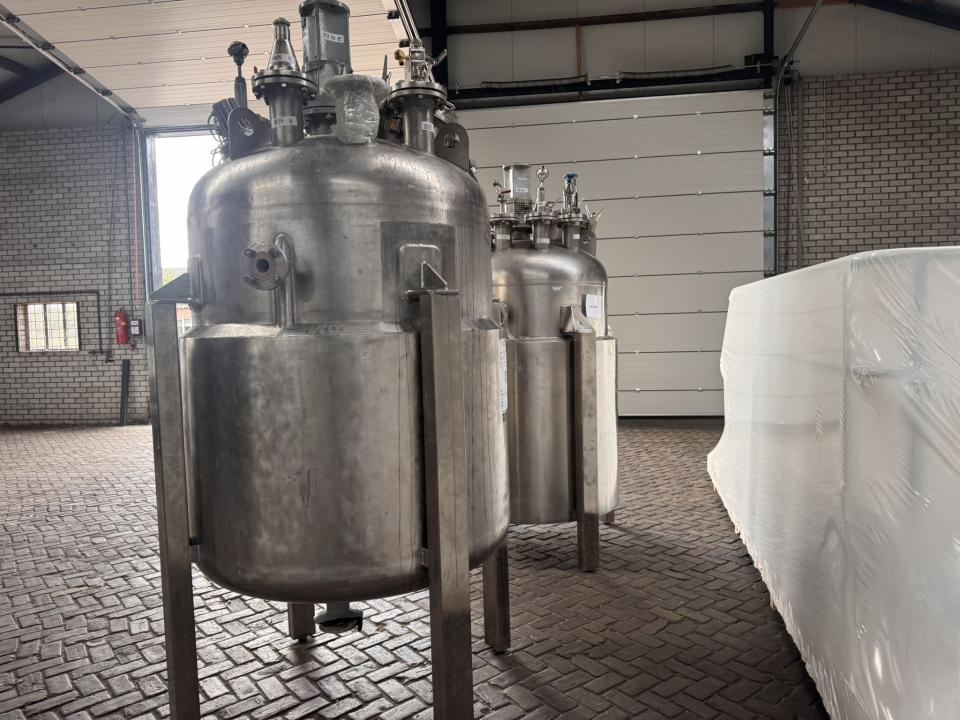
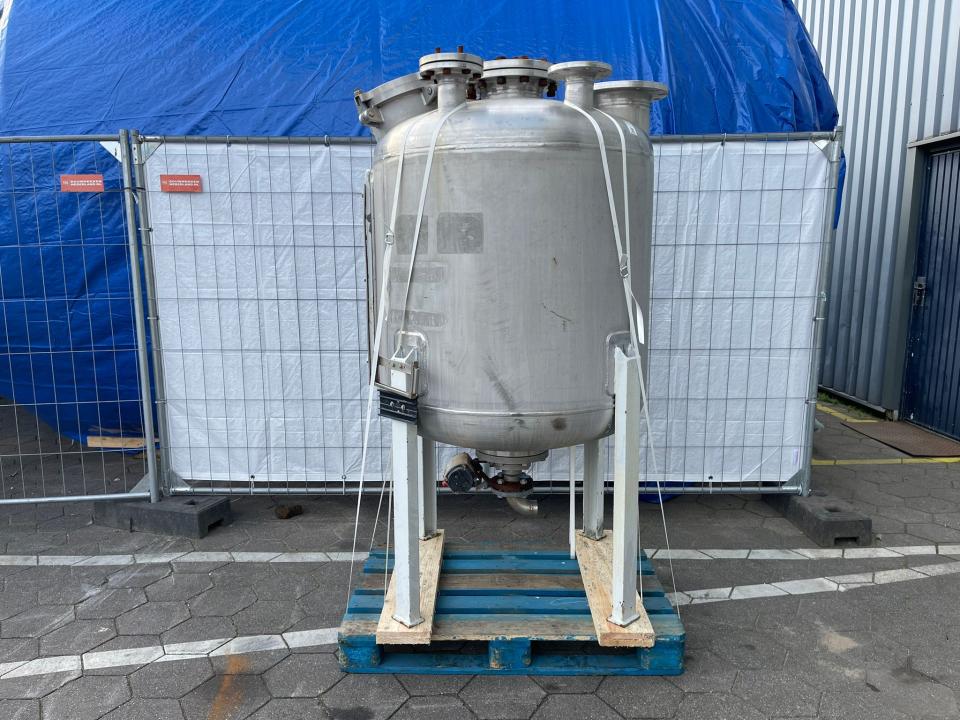
Filter press - feed pump
SKU: SSMIBRI1-00002666
Changes in pharmaceutical production can leave complete lines, process equipment or production areas surplus to requirements. Removing those assets calls for careful planning. Equipment must be identified, site procedures followed and each asset handled according to what happens next.
SSMI manages pharmaceutical decommissioning projects from the initial asset inventory through dismantling, relocation, transport and site handover. Our experienced project teams work within the requirements of your facility while helping you recover value from equipment that is no longer needed.
Machinery suitable for further use can be redeployed within your organisation or brought back to the market.
Decommissioning equipment in a pharmaceutical facility is different from removing machinery from a general industrial site. Production areas can contain interconnected process equipment, utilities, product-contact systems and equipment with specific cleaning, maintenance and documentation histories. These details matter.
Before dismantling begins, we establish the project scope with your team. We identify the assets involved, their intended destination, site limitations, HSE requirements and the agreed boundaries of our work. Equipment intended for internal redeployment is separated from assets being sold, auctioned or recycled. This gives your project team a clear plan before work starts and helps protect both ongoing operations and the value of the equipment being removed.
A facility closure, production transfer or capacity reduction can leave a considerable amount of equipment to manage. Some assets may move to another company site. Others can be sold. Equipment without a viable second use may need to be recycled. SSMI manages these activities as one coordinated project.
Our scope can include asset inventory, project planning, equipment dismantling, removal of surplus assets, specialised packaging, transport, export services and preparation of the area for handover.
Asset inventory and project scope
Good execution starts with knowing exactly what is involved. During project intake, we establish the assets within scope, site requirements, relevant standards, equipment intended for internal redeployment and the required timeline. This information forms the basis of the project plan. It also gives you an early view of which equipment may retain value beyond its current application.
Controlled equipment dismantling
Equipment is dismantled according to the agreed scope and the requirements of the site. The intended destination is considered before work begins. Machinery being prepared for relocation or resale needs to be removed and handled accordingly. Where agreed, our work can also include electrical and mechanical infrastructure and other surplus assets. For projects within an operating facility, dismantling is planned around site access, safety requirements and surrounding operations.
Equipment relocation and redeployment
A surplus machine does not always need to leave your organisation. Equipment may still be suitable for another production facility within your network. We identify these assets during project intake and incorporate the requirements of the receiving plant into the project plan. SSMI can coordinate dismantling, specialised packaging, export services and transport as part of the relocation.
Surplus equipment sales
Equipment without an internal destination can still hold commercial value. SSMI works to return suitable pharmaceutical machinery to productive use through direct sales or auction. Our approach depends on the equipment, its condition, the available information and market demand. Recycling remains an option where further industrial use is no longer practical.
The physical removal of a machine is only one part of a pharmaceutical decommissioning project. Before work starts, the status of the equipment and its interfaces with the facility need to be clear. Which utilities remain connected? Has the equipment been released for dismantling? What is its cleaning status? Which documents belong with the asset? Does another production area need to remain operational? And where is the equipment going after removal?
These questions affect the dismantling sequence, handling, packaging and transport. They can also affect the future value of an asset. Equipment intended for reuse may need available manuals, drawings, maintenance information or other technical records to remain identifiable and useful to a receiving facility. SSMI incorporates these practical requirements into the project plan, working with the information and procedures provided by your site.
Pharmaceutical equipment released from one production environment may still have years of useful service ahead. SSMI brings suitable surplus machinery from industrial projects back to the market, giving manufacturers access to used pharmaceutical processing and packaging equipment while helping asset owners recover value.
Depending on current projects, available equipment may include tablet presses, capsule filling machines, granulation equipment, fluid bed processors, blenders, mills, coating equipment, process vessels, reactors, centrifuges, filling equipment and pharmaceutical packaging machinery. Complete production lines may also become available.
Buying used pharmaceutical machinery requires more than matching a manufacturer and model to a technical requirement. The previous application, materials of construction, capacity, equipment history and available documentation can all be relevant when assessing an asset. The information available differs from machine to machine.
Where available, our equipment listings can include details such as manufacturer, model, year, serial number, previous application, technical specifications, location and available documentation.
We state what is available rather than making assumptions about an asset. The receiving manufacturer remains responsible for assessing whether equipment is suitable for its intended use and for any qualification or validation required within its production environment.
Our inventory changes as equipment becomes available through decommissioning and asset disposal projects. Each listing contains the information available for that specific asset, allowing your engineering and procurement teams to make an initial assessment before discussing the equipment with us..
SKU: SSMIBRI1-00004362
SKU: SSMIBRI1-00004376
SKU: SSMIBRI1-00004377
SKU: SSMIBRI1-00004379
SKU: SSMIBRI1-00004372
SKU: SSMIBRI1-00004351
SKU: SSMIKDP1-00003252
Equipment that has become surplus at one facility can still be valuable elsewhere. We therefore look at reuse before recycling. An asset may be redeployed within the owner's organisation, sold directly to another manufacturer or offered through auction. Recycling is used where a practical second life is no longer available.
This approach helps asset owners recover value while extending the useful life of industrial equipment and reducing unnecessary waste. For buyers, it creates access to existing production equipment without relying solely on new machinery.
Complex projects become easier to control when responsibilities and expectations are clear from the start. Our five-step process provides that structure.
1. Project intake
We identify the assets, project scope, relevant site requirements, equipment intended for internal redeployment and the required timeline.
2. Project plan
Our team translates the scope into an executable plan. Site requirements and limitations are defined, the HSE plan is prepared and the timing of dismantling, receiving plants and equipment sales is coordinated.
3. Disassembly
We dismantle the equipment included in the agreed scope. Where required, this can include electrical and mechanical infrastructure and other surplus assets. The area is prepared for the agreed handover condition.
4. Transport
Equipment is prepared for its next destination. Our scope can include specialised packaging, export services and specialised transport for machinery being relocated or sold.
5. Transfer
Once the work has been completed, the project results and contractual requirements are reviewed. Site responsibility is then returned to the client.
Real projects provide the clearest picture of our work. Our pharmaceutical project cases show the scope, site requirements, equipment involved and how assets were handled after removal. Where confidentiality is required, commercially sensitive client information can remain undisclosed.
SSMI and Gerritsen Group worked together on the phased relocation of a complete pharmaceutical production department from Ludwigshafen, Germany, to Ireland. Over an 18-month period, the project covered the carefully coordinated dismantling, specialist packing, international transport and reinstallation of pharmaceutical production equipment across multiple floors and facilities. With 155 tonnes of equipment relocated, the phased approach ensured operational continuity while meeting the stringent safety, quality and technical requirements of the pharmaceutical environment.
Pharmaceutical plant decommissioning is the controlled process of taking production equipment, lines or facility areas out of operation and preparing them for their next destination or final disposal. The scope can include asset inventory, project planning, dismantling, relocation, transport, equipment sales and site handover.
The requirements depend on the equipment and facility. Relevant considerations can include equipment status, cleaning status, connected utilities, documentation, site procedures, HSE requirements, dismantling boundaries and the intended destination of the asset. These should be established before physical work begins.
Yes, equipment can potentially be redeployed within the owner's production network. The machine, receiving facility, transport requirements and intended application need to be considered when planning the relocation.
Used equipment can potentially be used within GMP manufacturing, but its previous use does not automatically make it suitable for a new application. The receiving manufacturer is responsible for assessing suitability for the intended use and completing any qualification, validation or other activities required for its production environment.
This depends on the machine and intended application. Relevant information can include technical manuals, drawings, specifications, maintenance records, materials of construction, calibration information, cleaning information and previous qualification documentation. Availability varies per asset and should be checked before purchase.
Depending on its condition, value and future use, equipment can be redeployed within the owner's organisation, sold directly, offered through auction or recycled. SSMI assesses the available routes as part of the wider asset strategy.
Potentially. This depends on the facility, equipment interfaces, access, utilities and site requirements. Where surrounding production needs to continue, these constraints are considered during project planning before dismantling begins.
Transport and export services can form part of our project scope. Equipment can be prepared using specialised packaging and transported to another company site or to a buyer, depending on the project requirements?
Whether you're planning to decommission a production line, repurpose machinery, or scale down operations, our proven expertise ensures efficiency, sustainability, and unmatched value. Ready to achieve maximum value for your downscaling plans?
SSMI can assess your project scope, identify the equipment involved and develop a practical plan for dismantling, relocation, transport and surplus asset sales. One project team coordinates the process from intake through to site handover.