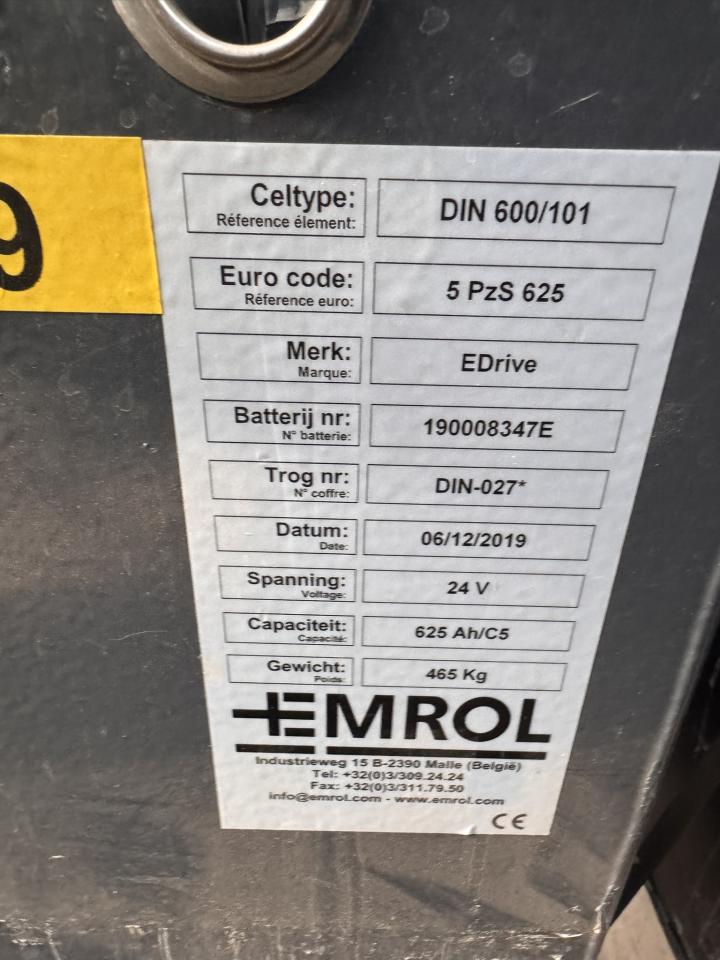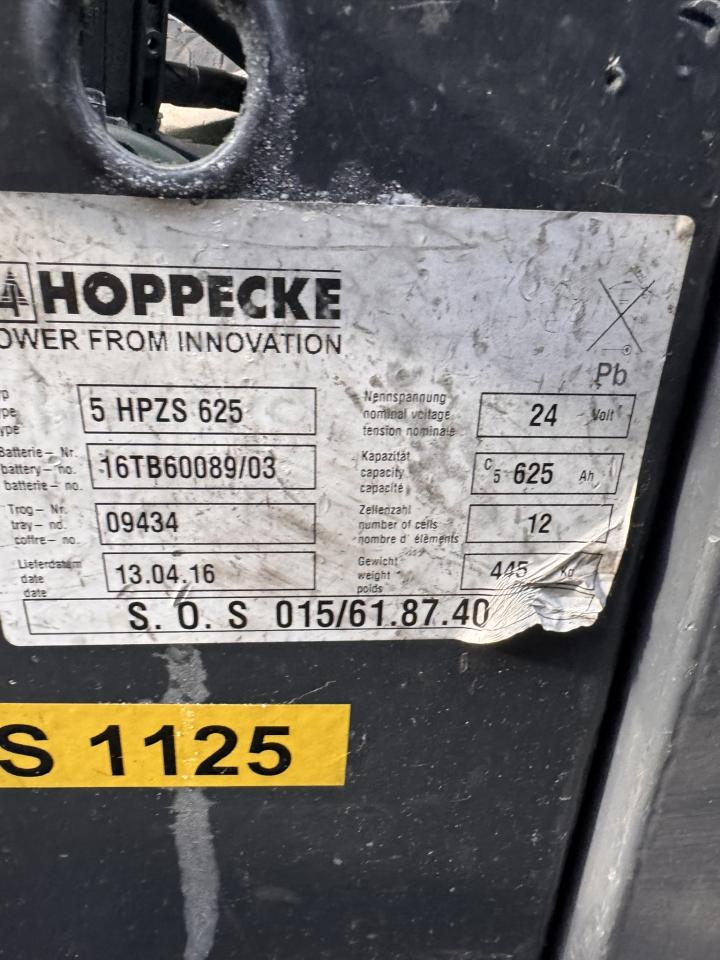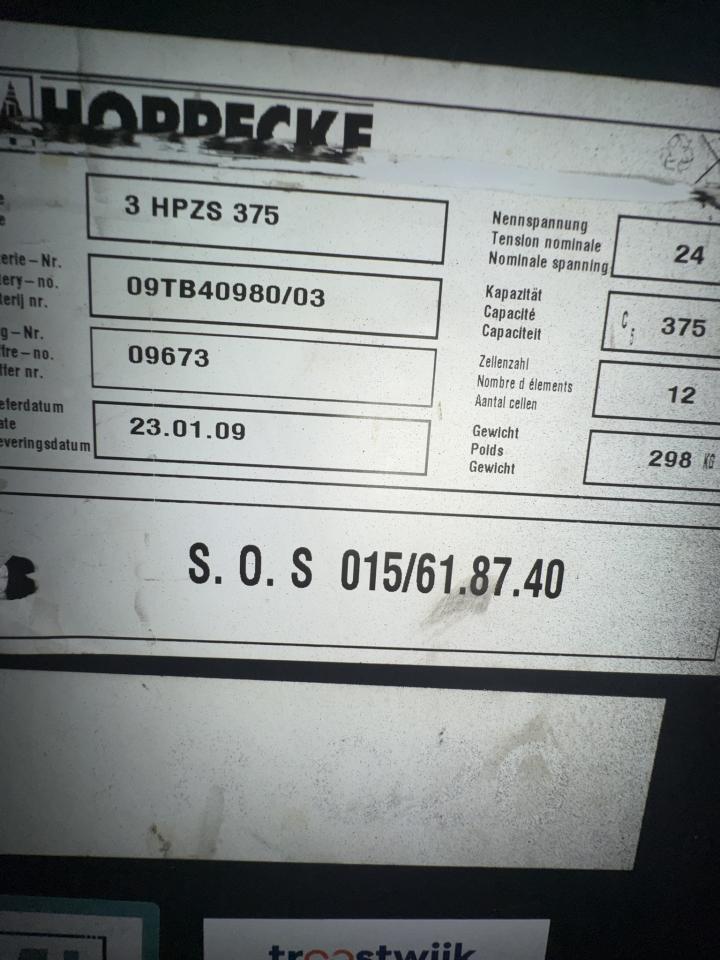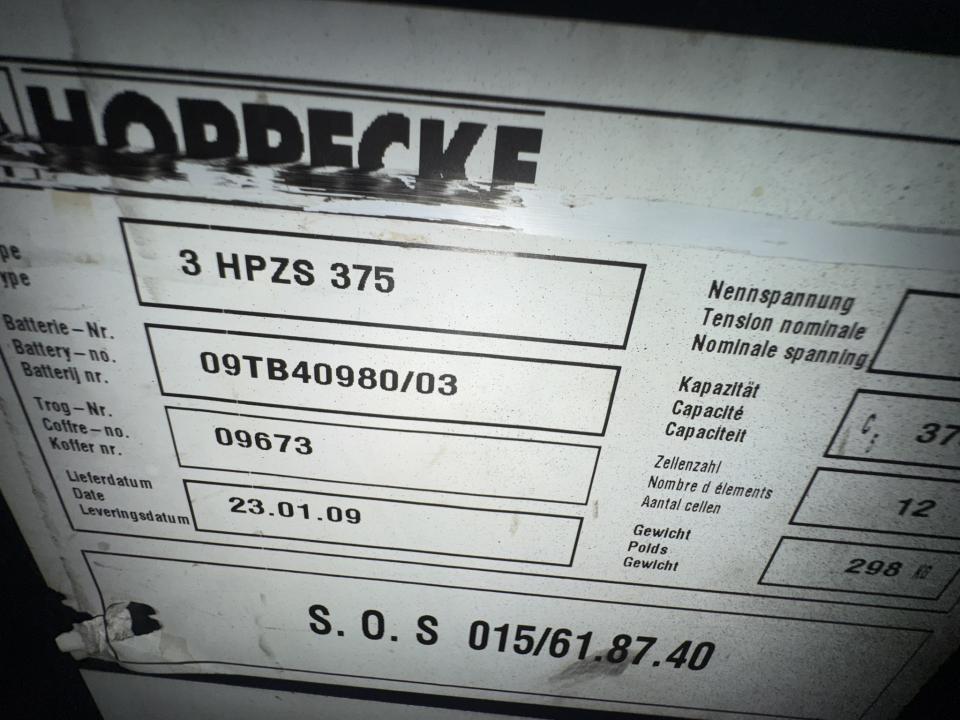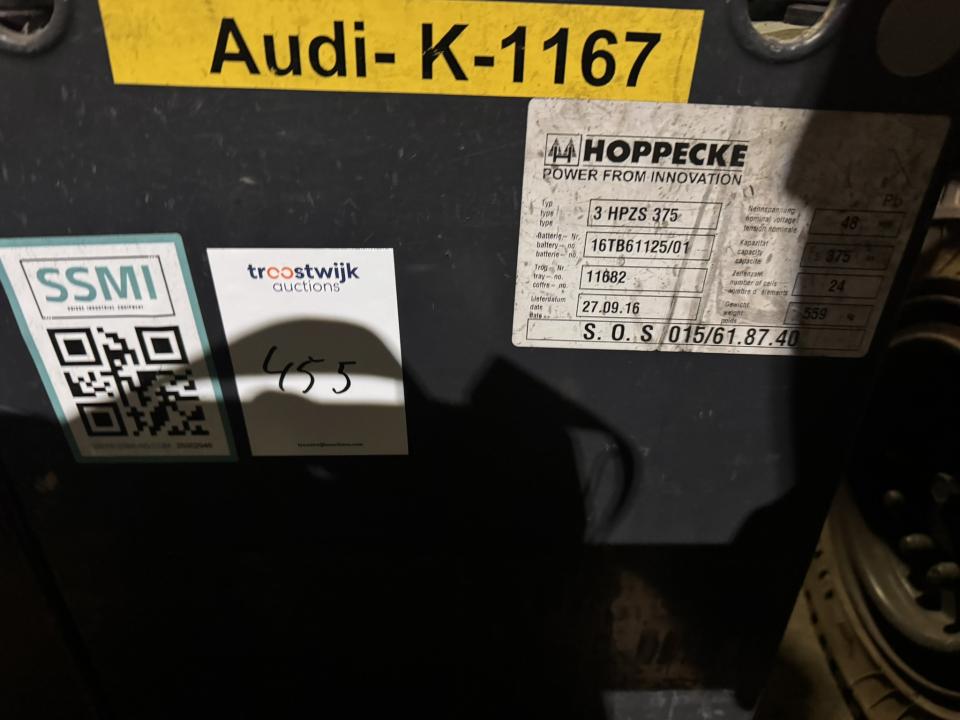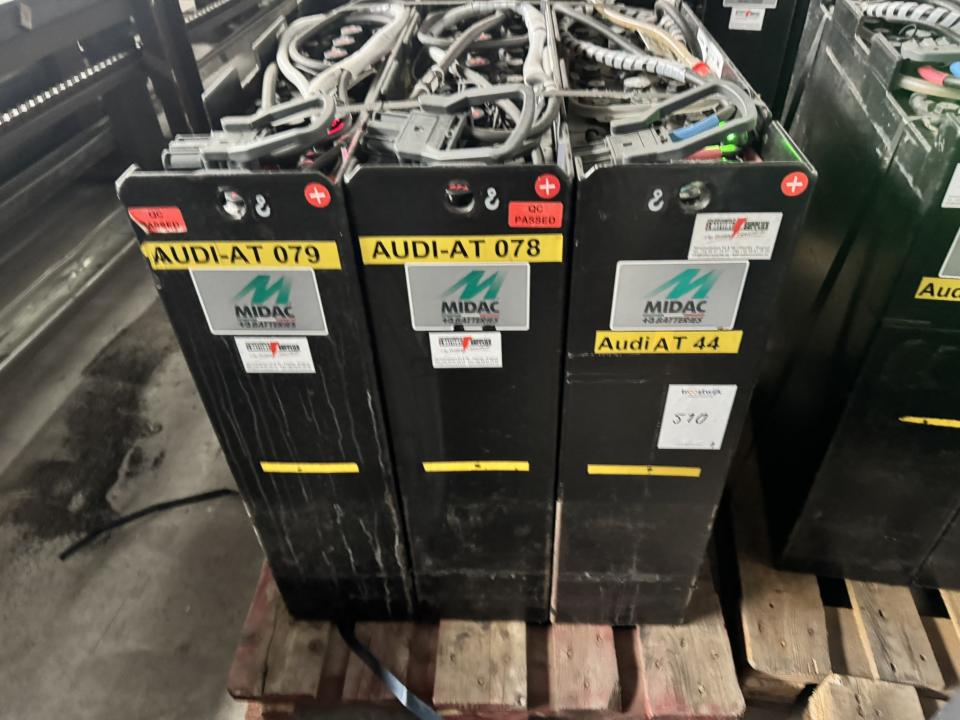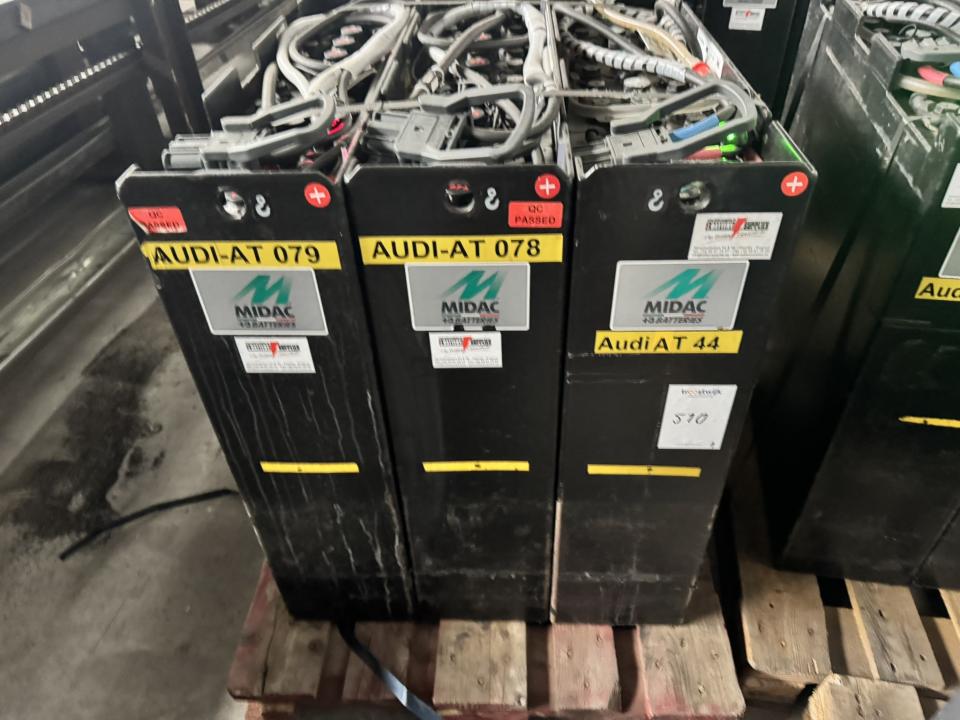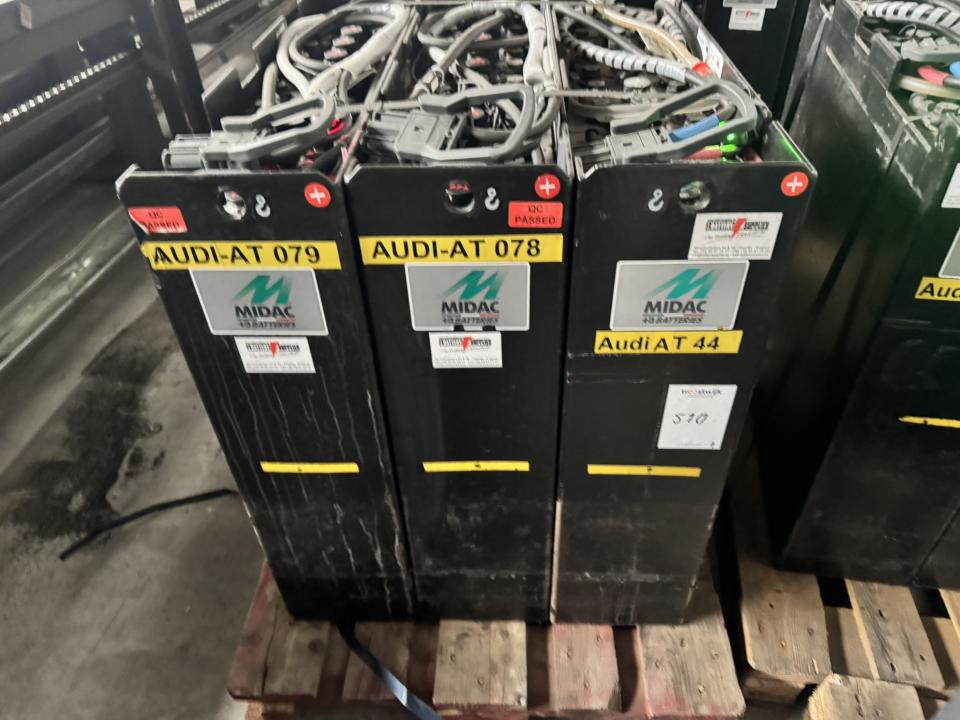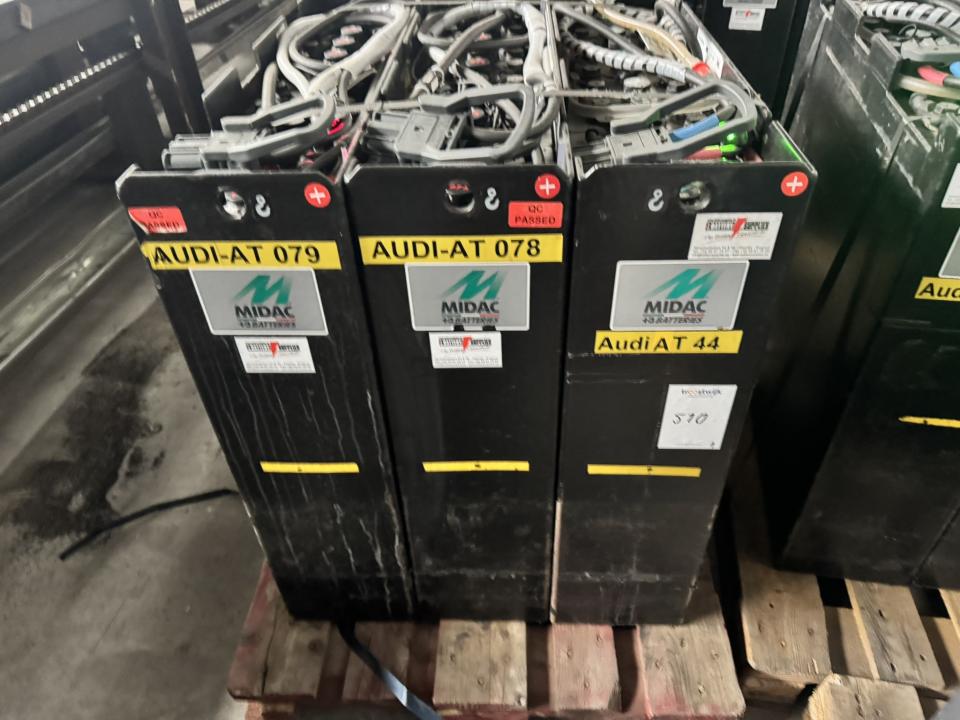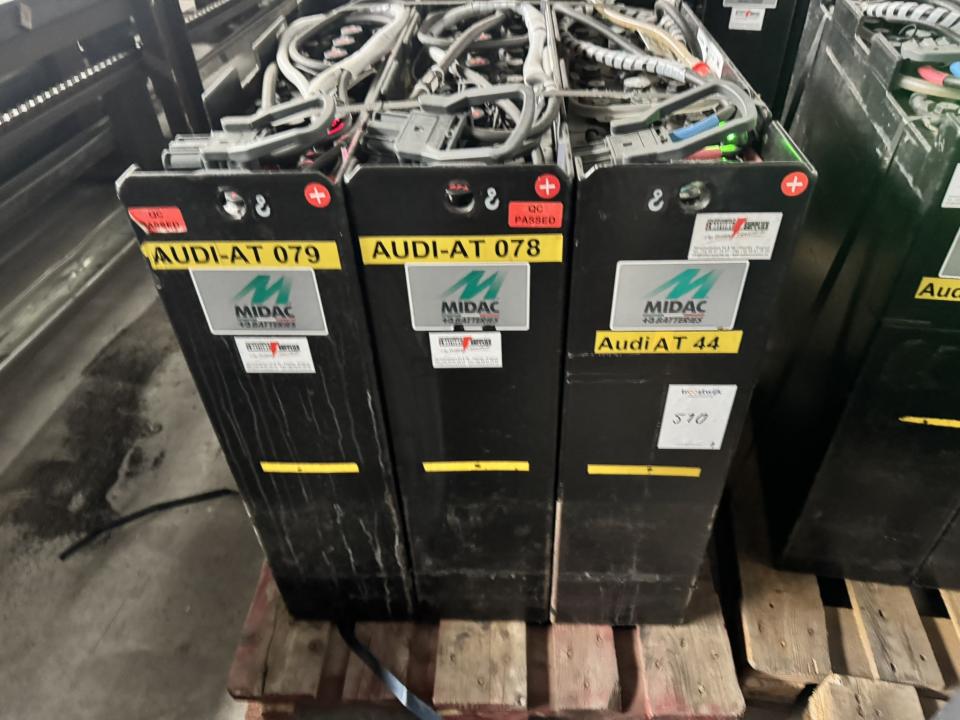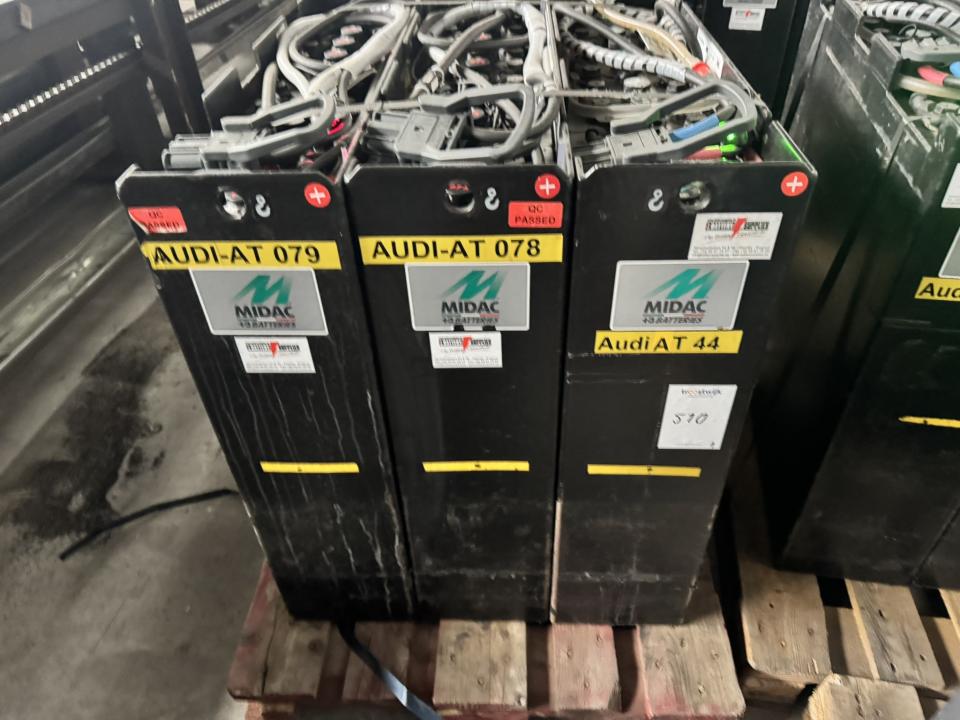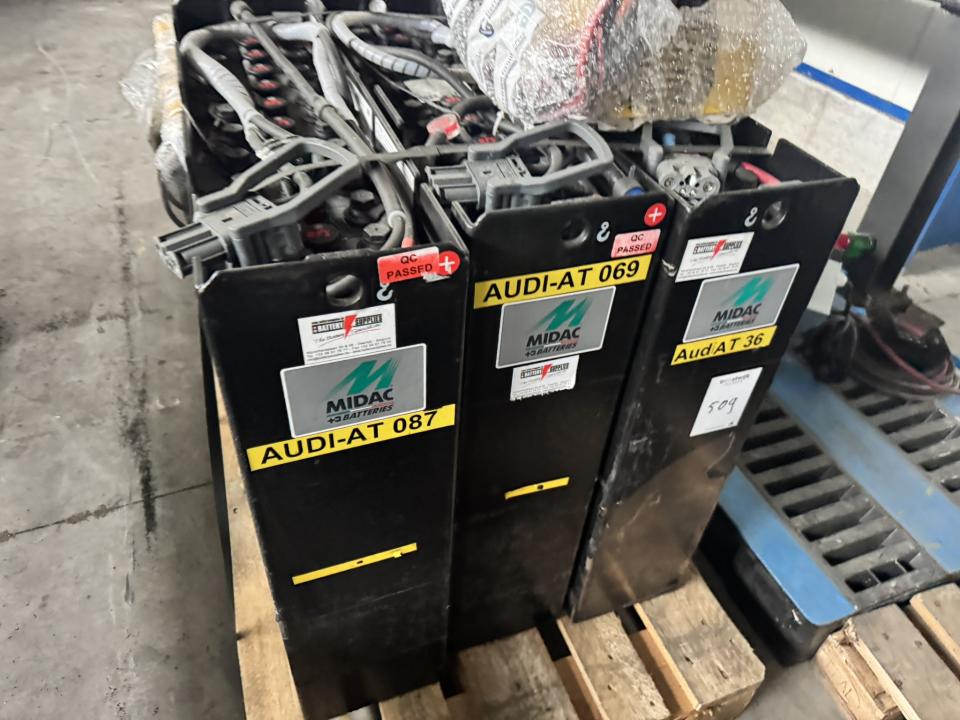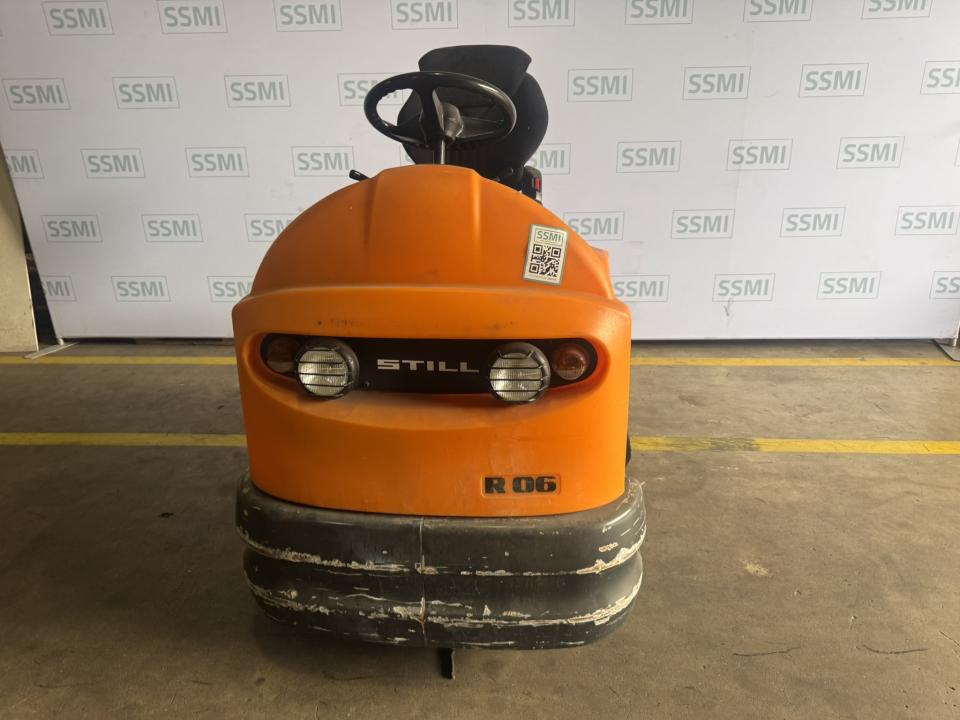
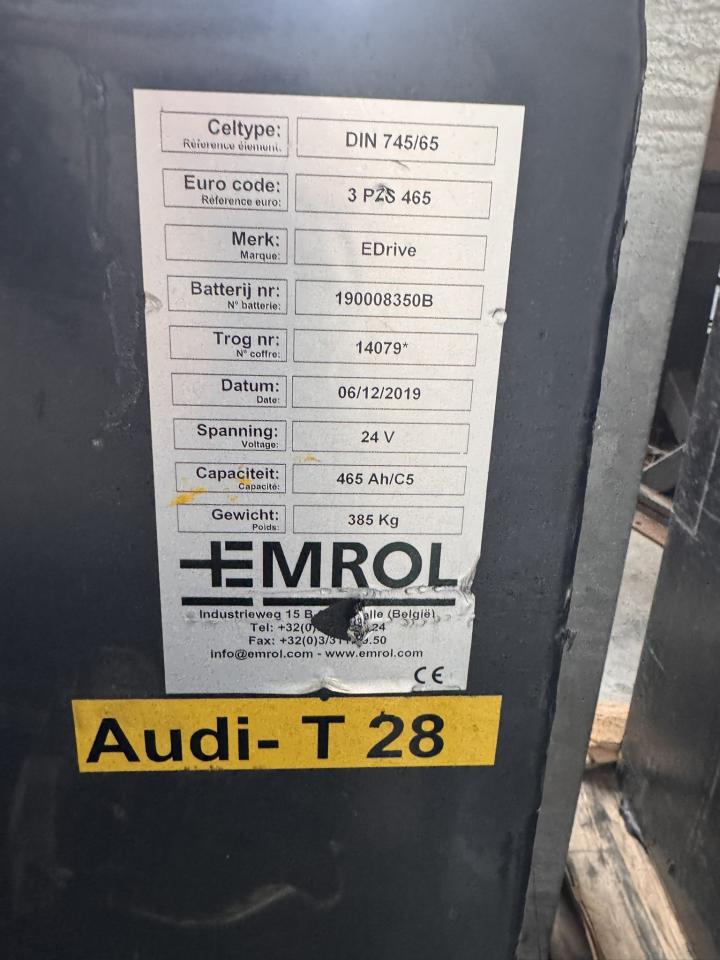
Battery
BatteriesSKU: SSMIAUD1-00004567
When an automotive production line closes, moves or becomes surplus, hundreds of connected assets can be affected at once. Robots, tooling, conveyors, controls and complete production systems need to be identified, dismantled and moved without losing sight of what happens to them next.
SSMI manages automotive decommissioning projects from asset inventory and project planning through dismantling, relocation, transport and site handover. Our teams have experience with projects ranging from individual production lines to complete automotive manufacturing sites. Equipment with further production value can be redeployed within your organisation or brought back to the market..
Automotive production is built around connected systems. A robotic cell is more than a robot. A press can form part of a complete line with feeding systems, automation, tooling and material handling. Assembly equipment is connected through conveyors, controls and production interfaces. These relationships matter when equipment is dismantled.
Before work starts, we identify the assets within scope and establish how they relate to the wider production system. We consider what needs to remain together, what will be redeployed internally, what can be sold and which equipment has reached the end of its useful life.
Site access, HSE requirements, surrounding operations and the project timeline are incorporated into the plan. The objective is clear. Controlled execution, with one project team responsible for the work.
Our experience includes the large-scale decommissioning of the Audi production site in Brussels.
Working under full project control, SSMI from the Gerritsen Group managed the dismantling and clearance programme across the automotive production facility. The scope included key factory areas such as the body shop, paint shop and battery assembly lines, as well as internal transport systems and material handling equipment.
Multiple dedicated teams worked on site simultaneously. Assets were dismantled for different destinations, including resale and redeployment within Audi's global production network.
The project shows what automotive decommissioning requires at scale. Clear project control, disciplined HSE management, close coordination with the client and an asset strategy that starts before equipment leaves the production floor.
A downscaling project can start with one production line or involve entire manufacturing areas. In both cases, decisions made before dismantling affect safety, timing, asset value and what can be reused afterwards.
SSMI coordinates the process as one project. Depending on the scope, this can include asset inventory, project and HSE planning, dismantling, removal of connected infrastructure, specialised packaging, transport, export services, equipment sales and preparation of the area for handover.
We start by establishing exactly what is included. Assets are identified, the project boundaries are agreed and equipment intended for internal redeployment is separated from machinery being sold or recycled. Site requirements, receiving plants and the required timeline are included from the start. For larger automotive projects, this asset inventory also helps keep equipment connected to the production system it belongs to.
Complete production lines require a planned dismantling sequence. Machinery may be connected mechanically, electrically and through automation systems. Access for lifting and transport can also determine the order in which equipment needs to leave the production area. Our teams dismantle the equipment within the agreed project scope, taking its next destination into account throughout the work.
Robotic production cells can include robots, controllers, tooling, fixtures, welding equipment, safety systems and other peripherals. Where equipment is intended for reuse, these relationships should be understood before dismantling starts. Keeping the right components identified and together can make a significant difference when a cell is relocated or offered for sale.
Some production equipment needs to move rather than leave the organisation. SSMI can coordinate dismantling, specialised packaging, export services and transport for equipment being transferred to another production facility. Receiving plant requirements are incorporated into the project plan so that the relocation is considered before dismantling begins.
Equipment without an internal destination may still have considerable industrial value. SSMI actively brings suitable surplus automotive equipment back to the market. Depending on the assets and project, this can be through direct sales or auction. Recycling remains an option for equipment where further industrial use is no longer practical.
Removing one machine is one thing. Dismantling an interconnected automotive production line is another. Robots may need to remain with their controllers and tooling. Fixtures can belong to specific cells. Presses may be linked to feeding and transfer systems. Conveyors can run through several production areas. Electrical, mechanical and automation interfaces may connect equipment that is being removed to equipment that stays.
There are practical questions too. Which assets leave first? Where can cranes and lifting equipment operate? How will machinery move through the building? Which production areas must remain accessible? When does the receiving facility need the equipment? These questions need answers before execution begins.
A coordinated dismantling plan reduces uncertainty on site and helps protect equipment intended for relocation or resale.
A production asset can lose value when its context is lost. For a robotic cell, the robot itself may be only one part of the useful system. Controllers, fixtures, tooling and process equipment can be equally relevant. The same applies to press lines, assembly systems and other integrated production equipment.
We therefore look at reusable equipment in the context of the line or cell it belongs to. Asset identification before dismantling helps preserve that relationship. It also gives internal receiving plants and external buyers a clearer picture of what is included.
Automotive equipment released from one production site may still have a productive future elsewhere. SSMI brings suitable machinery from decommissioning and asset disposal projects back to the market. Depending on current projects, this can include press and stamping equipment, industrial robots and robotic cells, welding equipment, assembly machinery, conveyors, material handling systems, machining equipment, testing equipment, tooling and other production assets. Complete production systems can also become available.
Buying a used machine starts with understanding what is included. Where available, our listings provide information such as manufacturer, model, year, production function, capacity, controls, tooling, peripherals, serial number, technical documentation, current location and availability.
For complete cells and production lines, the relationship between individual assets becomes particularly important. We therefore aim to make clear which components are included and how the equipment was used within its previous production environment. Available information differs per asset. We state what is known rather than filling in the gaps.
Our inventory changes as equipment is released through automotive decommissioning and asset disposal projects. Explore the machinery and production assets currently available from SSMI, including equipment originating directly from major automotive manufacturing facilities.
Production equipment does not automatically become waste when a programme ends or a factory closes. We first consider where an asset can continue to be used. Equipment may be redeployed within the owner's production network, sold directly to another manufacturer or offered through auction. Recycling follows where continued industrial use is no longer practical.
This gives asset owners more options and can recover value from machinery that would otherwise be treated as scrap. For buyers, it creates access to proven industrial equipment from established production environments.
Large automotive projects involve many moving parts. Our five-step process creates a clear structure from the first asset review through to final site handover.
1. Project intake
We establish the asset inventory, project scope, site requirements, equipment intended for internal redeployment and the required timeline.
2. Project plan
The scope is translated into an executable plan. Site requirements and limitations are defined, the HSE plan is prepared and dismantling sequences, receiving facilities and asset sales are coordinated.
3. Disassembly
Our teams dismantle the production equipment within the agreed scope. Depending on the project, this can also include connected electrical and mechanical infrastructure and other surplus assets. The production area is prepared for the agreed handover condition.
4. Transport
Equipment is prepared for its next destination. Our scope can include specialised packaging, export services and specialised transport for machinery being relocated or sold.
5. Transfer
Once the agreed work has been completed, the project results and contractual requirements are reviewed. Site responsibility is then returned to the client.
Our work at Audi Brussels demonstrates the scale of automotive projects SSMI can manage. The programme covered major automotive production areas including the body shop, paint shop and battery assembly lines. Internal transport and material handling assets were also removed and repurposed. Multiple teams worked simultaneously across the site while dismantled assets moved into different reuse channels.
That experience matters on the next project. Large-scale automotive decommissioning requires more than dismantling capacity. It requires project control, HSE discipline, asset knowledge, logistics and clear communication between everyone involved.
SSMI led the decommissioning of a 488,000 m² automotive production site in Brussels, overseeing the project from planning through completion. Execution was carried out by Gerritsen Group, with more than 300 specialists dismantling production lines, relocating valuable assets and processing materials for reuse and recycling. Completed within approximately six months, the project involved the shipment and relocation of 13,772 tonnes of assets and materials, combining large-scale industrial execution with a strong focus on safety, efficiency and circularity.
The scope depends on the facility and production areas involved. A project can include asset inventory, HSE and project planning, production line dismantling, removal of connected infrastructure, equipment relocation, specialised packaging, transport, asset sales, recycling and preparation of the site for handover.
The process starts by defining the assets, interfaces, project boundaries and destination of the equipment. A dismantling sequence can then be developed around site access, lifting requirements, connected systems, surrounding operations and the project timeline. Equipment intended for reuse is identified before removal so it can be handled accordingly.
Potentially. This depends on the production layout, equipment interfaces, utilities, access and site requirements. Where surrounding production needs to continue, these constraints are assessed during project planning and incorporated into the execution plan.
Yes, depending on the equipment and requirements of the receiving facility. Planning should start before dismantling so that equipment identification, dismantling sequence, packaging, transport and receiving plant requirements can be coordinated.
Potentially. A robotic cell can include the robot, controller, tooling, fixtures, process equipment and safety systems. Identifying these components before dismantling helps determine what should remain together for relocation or sale.
Relevant information can include manufacturer, model, serial number, production function, line or cell, controls, included tooling and peripherals, technical documentation, asset destination and dismantling status. The required information depends on the equipment and its intended next use.
Equipment can be redeployed within the owner's production network, sold directly, offered through auction or recycled. The appropriate route depends on the asset, its condition, available information and future demand.
Yes. SSMI brings suitable machinery and other industrial assets released through automotive projects back to the market. Available equipment changes as projects progress and new assets become available.
Transport and export services can form part of the project scope. This can include specialised packaging and transport for machinery being relocated within the owner's production network or delivered to an external buyer.
A production line closure or complete plant downscaling creates a long list of decisions. Which equipment stays? What moves to another facility? What can be sold? What needs to be dismantled, and by when?
SSMI brings those activities together under one project structure.
Our teams can assess the assets and site requirements, establish the scope and develop a practical plan for dismantling, relocation, transport and surplus equipment sales.
Whether you're planning to decommission a production line, repurpose machinery, or scale down operations, our proven expertise ensures efficiency, sustainability, and unmatched value. Ready to achieve maximum value for your downscaling plans?